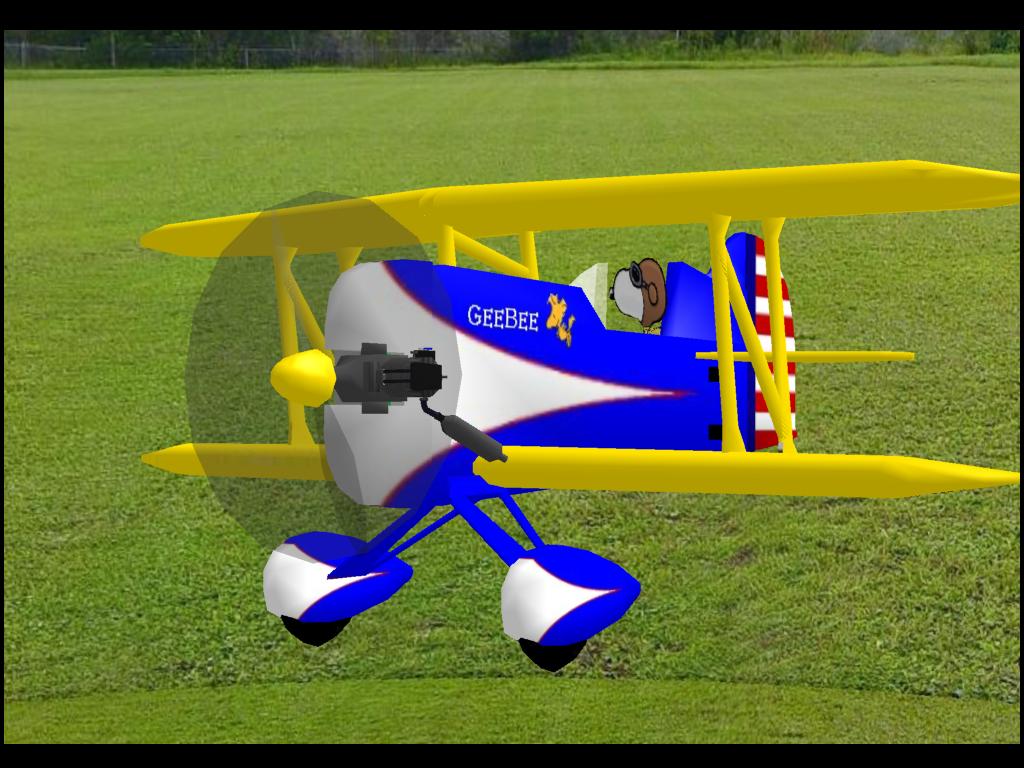
GeeBee Army
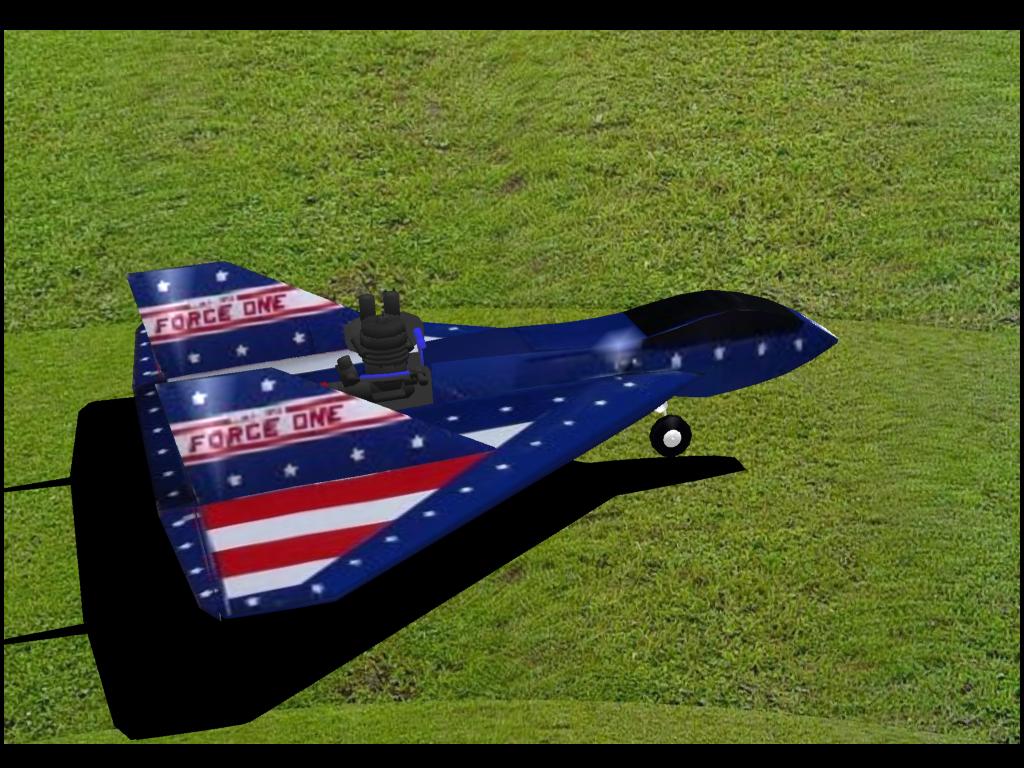
A "what-if" Gee Bee in U.S. Army Air Corps livery — a fictional military variant inspired by the Granville Brothers racing dynasty.
About
The real Gee Bee racers — the Super Sportster R-1 and R-2 — were built in 1932 by Granville Brothers Aircraft of Springfield, Massachusetts. "Gee Bee" simply stands for Granville Brothers. After winning the 1931 Thompson Trophy with their Model Z, brothers Zantford "Granny" Granville and chief engineer Howell "Pete" Miller wind-tunnel-tested a radical new approach at NYU under Professor Alexander Klemin: a teardrop-shaped fuselage actually wider than the engine cowling at its broadest point, designed to minimize drag at race speeds. The R-1, piloted by Jimmy Doolittle, won the 1932 Thompson Trophy and set a Federation Aéronautique Internationale landplane speed record of 294.4 mph in the Shell Speed Dash.
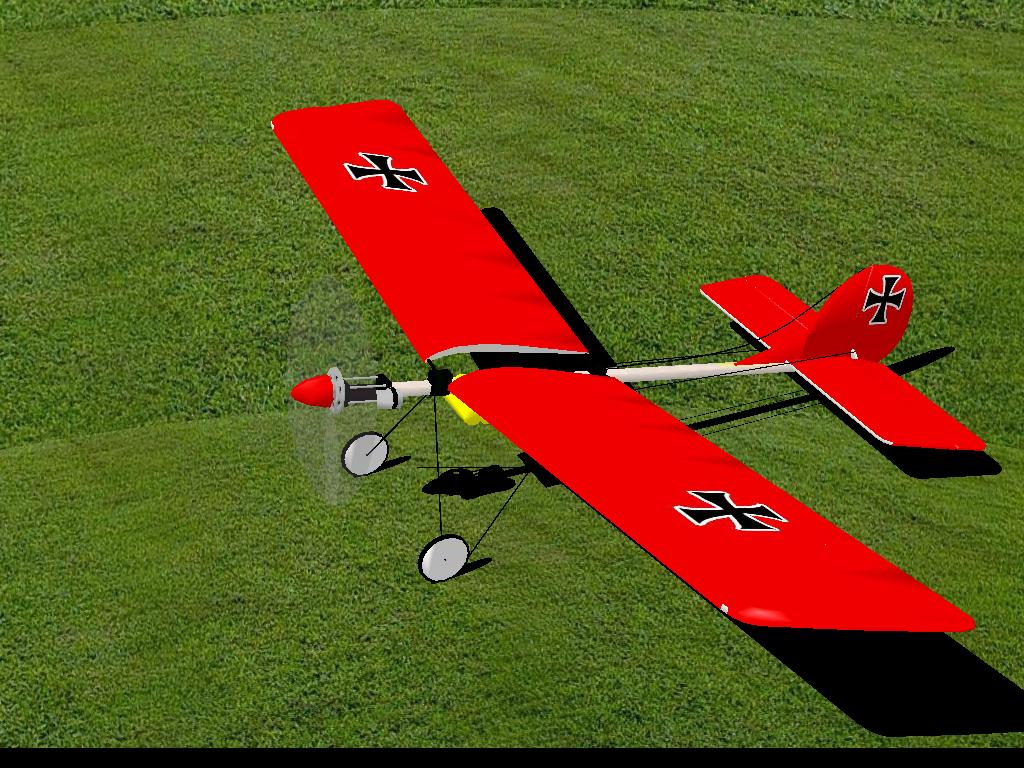
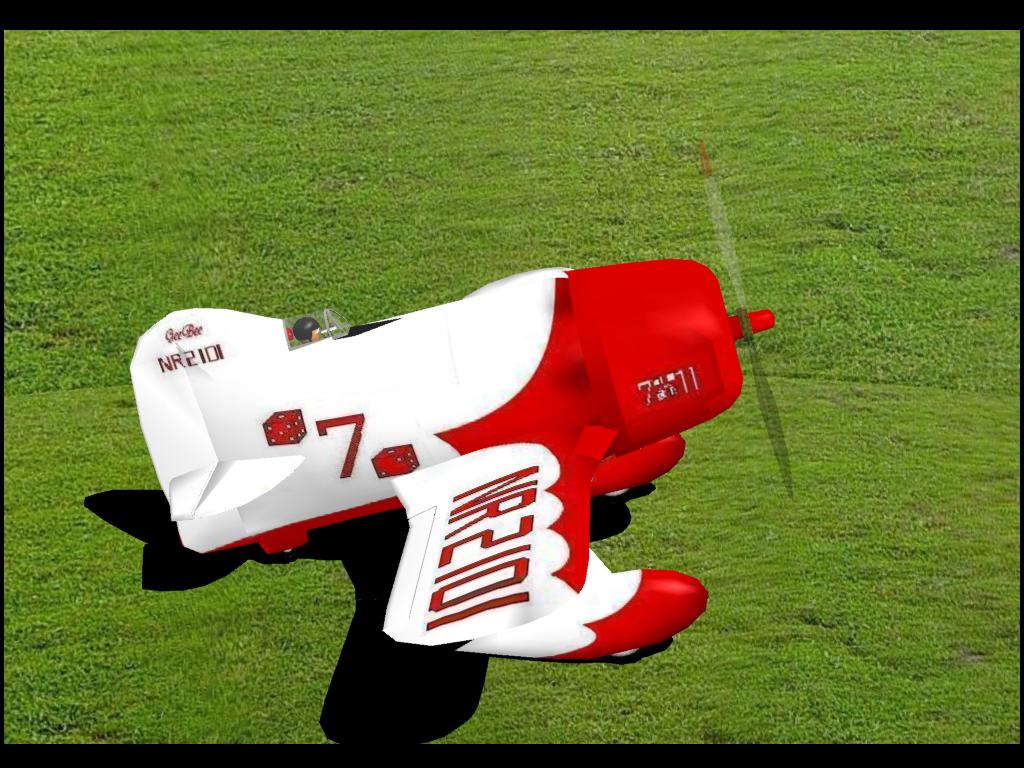
This RC model is a fictional variant — a Gee Bee R-series airframe finished in U.S. Army Air Corps livery, complete with star-and-bar national markings, that never existed in reality. The real Gee Bees were privately owned racers that never wore military uniform; the Army Air Corps of the 1930s flew Boeing P-12s and P-26 Peashooters, not Granville racers. Treat this model as a "what-if" exercise in alternative aviation history — the kind of model that imagines what a Gee Bee might have looked like if the Air Corps had pursued a small, fast pylon racer for fighter development. Apply Rule A's emphasis on the real Granville lineage that inspired it: short, fat fuselage; tiny wings; big radial up front; pilot pushed back near the tail.
The unmistakable Gee Bee silhouette appears in countless modern foam, balsa, and giant-scale RC aerobatic kits — and the "Gee Bee in alternative livery" is exactly the kind of variation that sport-scale modelers enjoy creating.
In the simulator
The same demanding handling as the GeeBee R3 Fantasy Racer (Aerobatic Trainers pack) and GeeBee R2 (this same pack) — short-coupled, twitchy, and rewarding of stick discipline. Use it for sport-scale flying with attitude: low passes down a grass strip, tight pylon-style turns, and the kind of unhurried scale aerobatic that suits a 1930s racer. Pairs well with grass-strip and golden-age field landscapes.