C-130
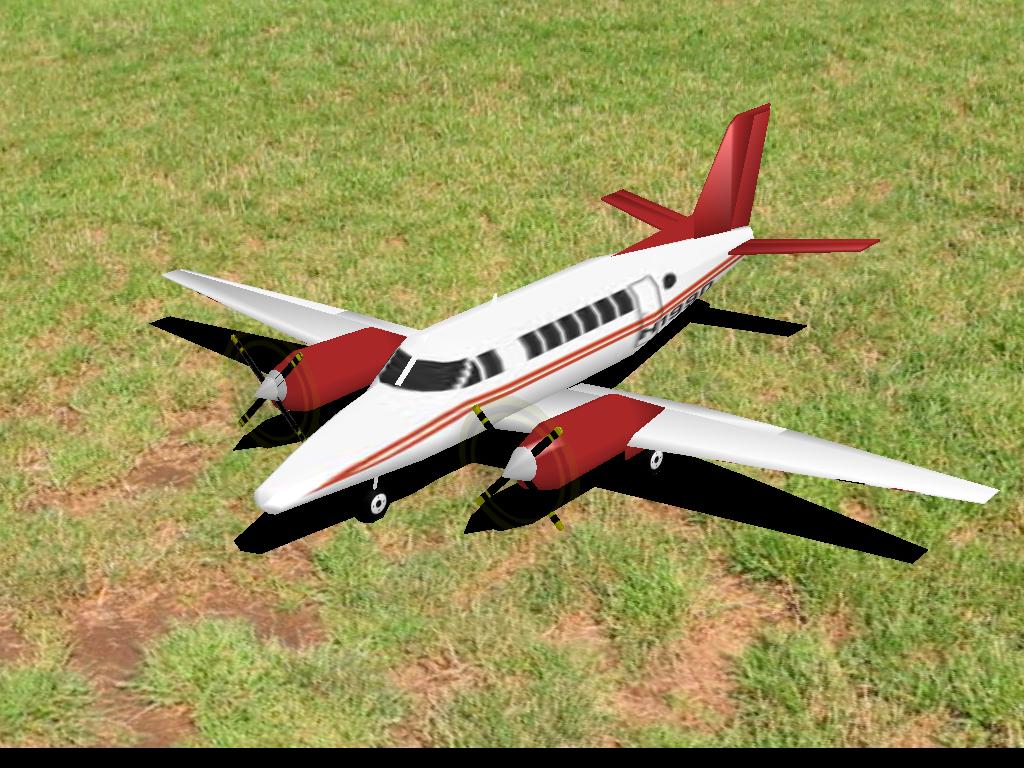
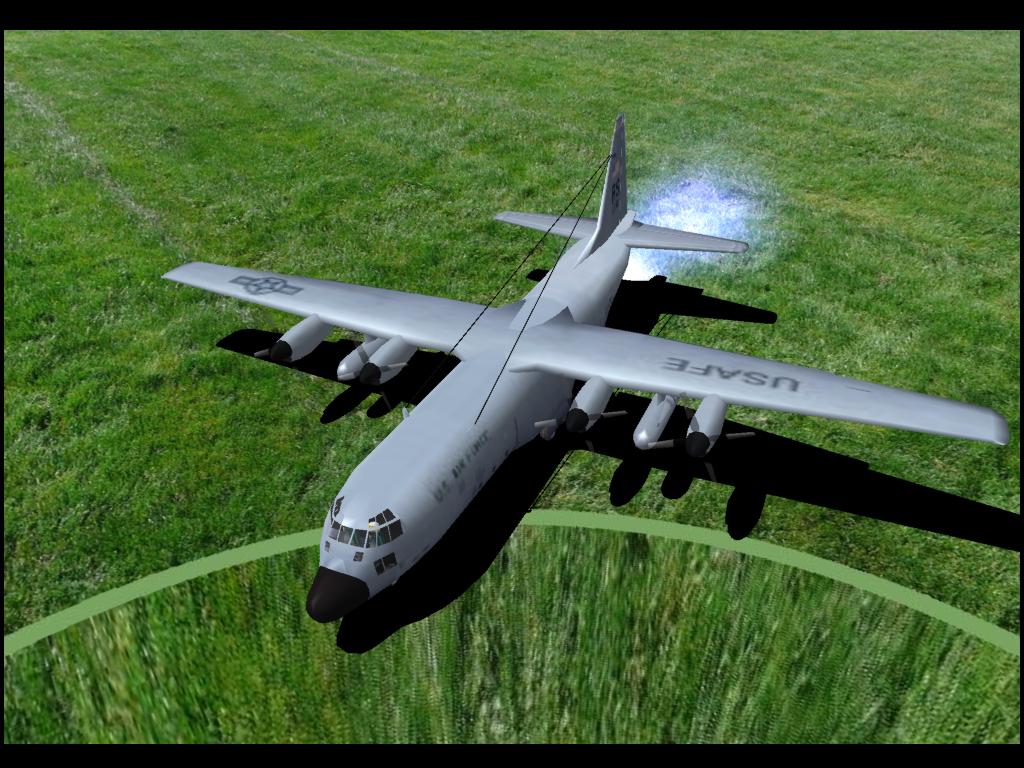
The Lockheed C-130 Hercules — the four-engine turboprop transport that has been in continuous production for over seven decades — captured as an RC scale model.
About
The Lockheed C-130 Hercules is the longest continuously produced military aircraft in history. The YC-130 prototype made its first flight on August 23, 1954, from the Lockheed plant in Burbank, California — Stanley Beltz and Roy Wimmer at the controls, Jack Real and Dick Stanton as flight engineers, on a sixty-one-minute flight to Edwards Air Force Base. The C-130 entered service with the U.S. Air Force in 1956, was followed by Australia and most of the world's other air forces, and is still rolling off the Marietta, Georgia assembly line as the C-130J Super Hercules. By 2024, the type achieved seventy years of continuous production — a record no other military aircraft can claim.
The design's longevity reflects the soundness of the original engineering choices. A high wing keeps the cargo deck low to the ground for easy ramp loading. Four turboprops give the type the kind of short-field performance that lets it operate from austere unpaved strips. The conventional tail and pressurized cargo box layout has stayed essentially unchanged across more than forty variants — including the AC-130 gunship, MC-130 special operations versions, EC-130 electronic warfare aircraft, HC-130 search and rescue, KC-130 aerial tanker, and the civilian L-100. The C-130 operates today in more than sixty nations and has flown every conceivable military airlift mission, from disaster relief to combat assault to firefighting.
The unmistakable high-wing four-turboprop silhouette is a serious commitment for an RC scale modeler — typically tackled at giant-scale with electric or turbine-prop power — and the Hercules remains one of the most recognized military transport silhouettes in modern RC scale flying.
In the simulator
A serious four-engine scale subject. The C-130 in our sim demands the kind of multi-engine discipline a real Hercules pilot trains for — coordinated throttle management across four engines, deliberate energy management on approach, and the kind of pattern flying that suits a heavy military airlifter. Use it to practice serious multi-engine technique with substantial inertia. Pairs with airport-class landscapes that have proper runways and approach patterns. The most logistically ambitious model in this pack.