B-25
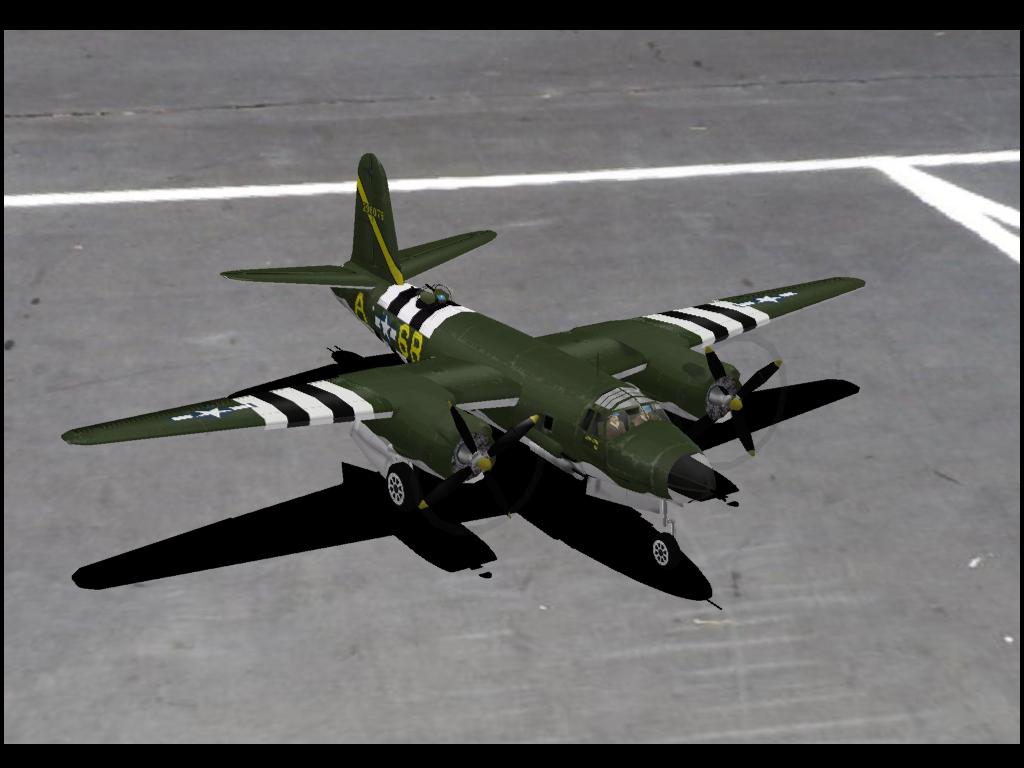
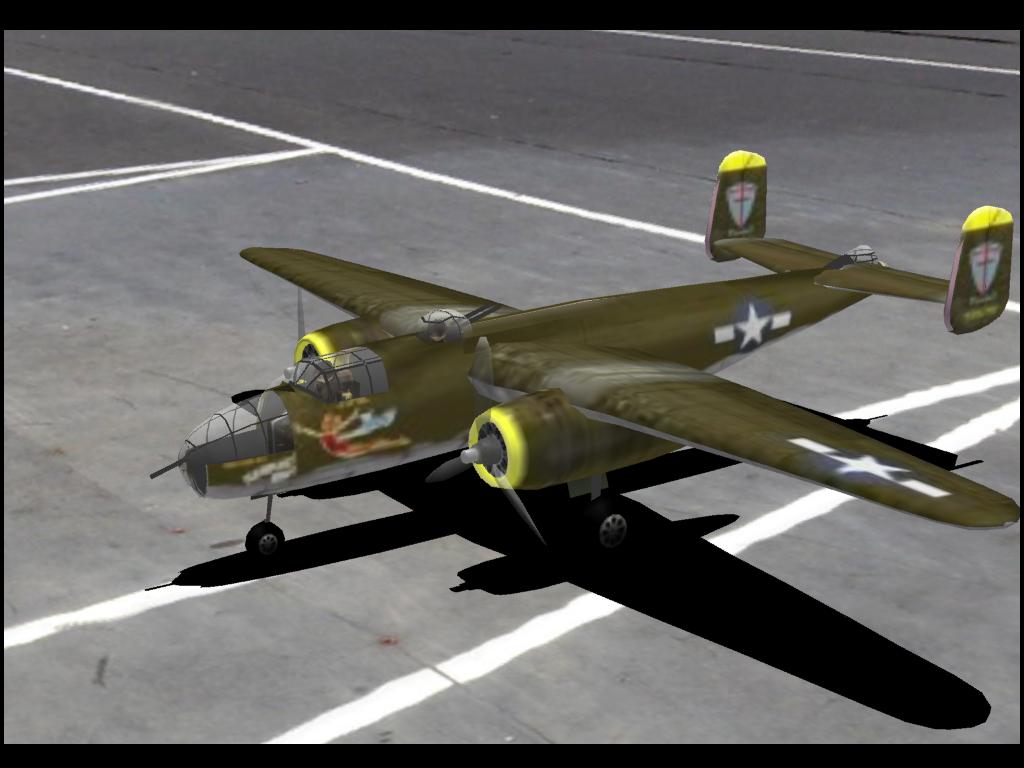
The North American B-25 Mitchell — the medium bomber that flew the Doolittle Raid off the deck of USS Hornet in 1942 — captured as a twin-engine RC scale warbird.
About
The B-25 Mitchell was designed by North American Aviation and made its first flight on August 19, 1940. Named in honor of Brigadier General William "Billy" Mitchell, the early-twentieth-century pioneer of U.S. military airpower, the B-25 entered service in 1941 as a twin-engine medium bomber and went on to fly in every theater of World War II. About 9,800 airframes were produced, making it one of the most widely built U.S. medium bombers of the war.
The single mission that put the B-25 in the popular imagination was the Doolittle Raid. On April 18, 1942 — a little over four months after Pearl Harbor — sixteen B-25s under Lieutenant Colonel Jimmy Doolittle launched off the carrier USS Hornet and bombed targets in Tokyo, Yokohama, Nagoya, and Kobe. The B-25 was not designed for carrier operations, and the takeoff run from the Hornet's pitching deck was the kind of feat that had previously been considered impossible for a medium bomber. The damage to the Japanese targets was modest, but the morale impact on the United States — and the strategic shock to the Japanese command — was incalculable.
Beyond the Doolittle Raid, the B-25 served with virtually every Allied air force in WWII and continued in service with smaller air forces and civilian operators for decades after. The unmistakable twin-tail, twin-engine, glass-nose silhouette is one of the most-modeled WWII subjects in modern RC scale flying — appearing in every size from foam park-flyer twin to giant-scale gas-powered warbird at scale fly-ins.
In the simulator
A demanding twin-engine warbird. The B-25 in our sim has the kind of inertia and asymmetric-thrust character that rewards precise multi-engine handling — equal throttle on both engines for cruise, asymmetric input as needed for taxi and rudder coordination, and the kind of pattern flying that real-world WWII pilots had to master. Use it to practice twin-engine technique with the additional weight and complexity of a serious bomber. Pairs well with airport-class landscapes and Pacific-theater carrier deck simulations.