A-7 Corsair
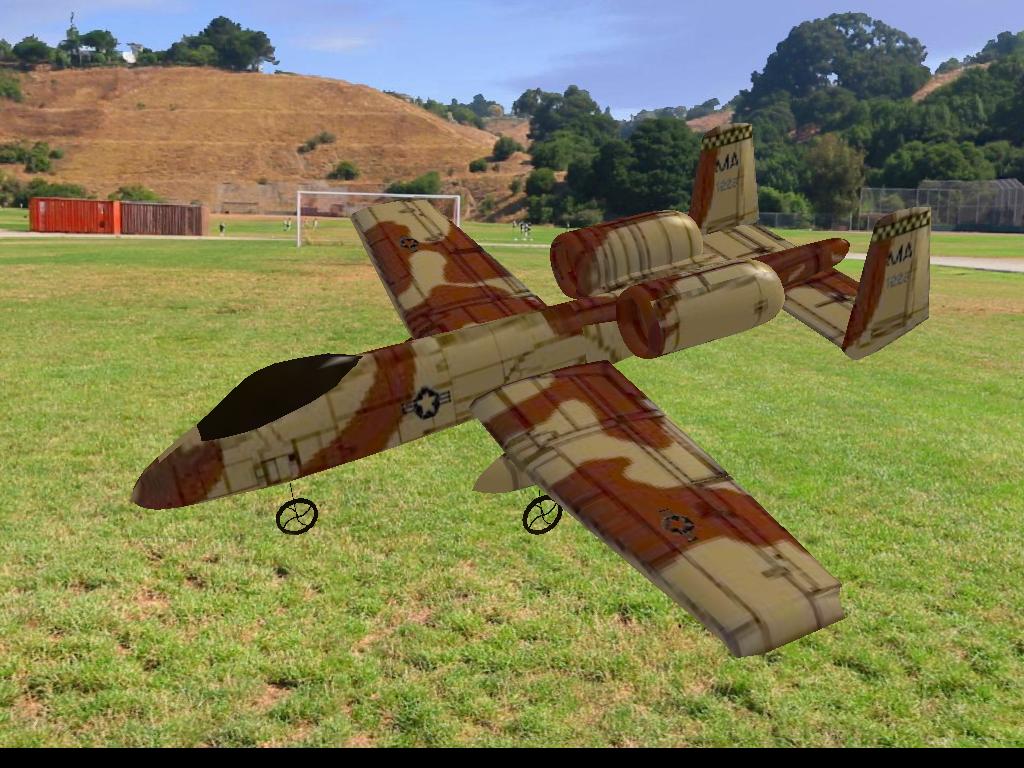
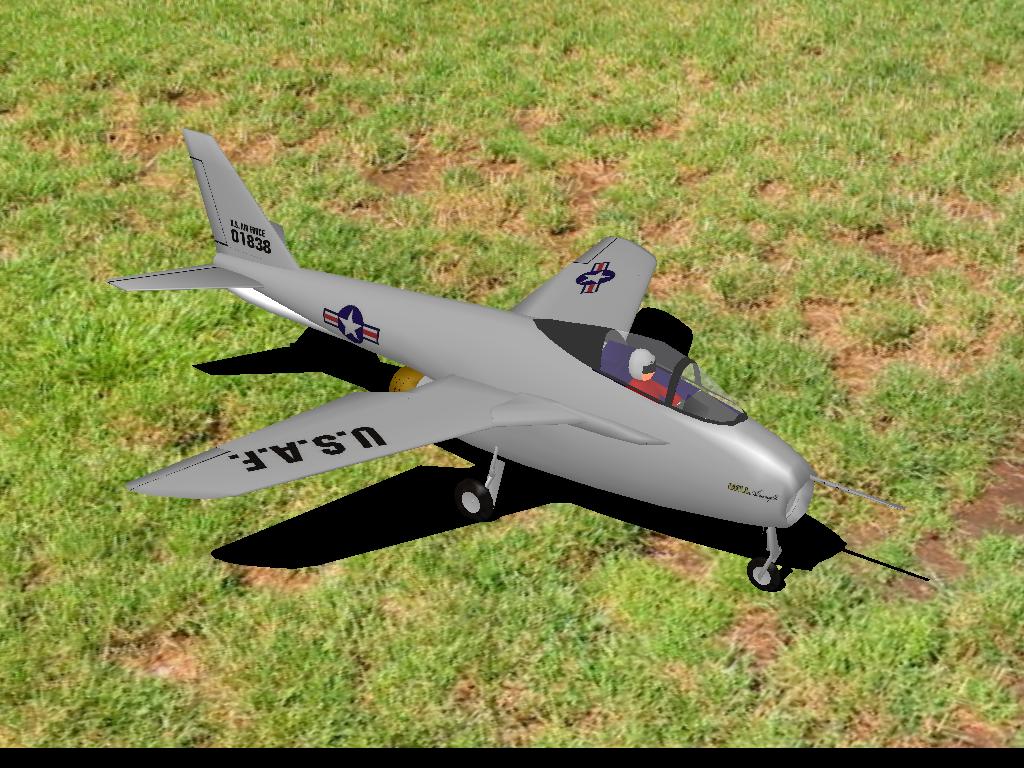
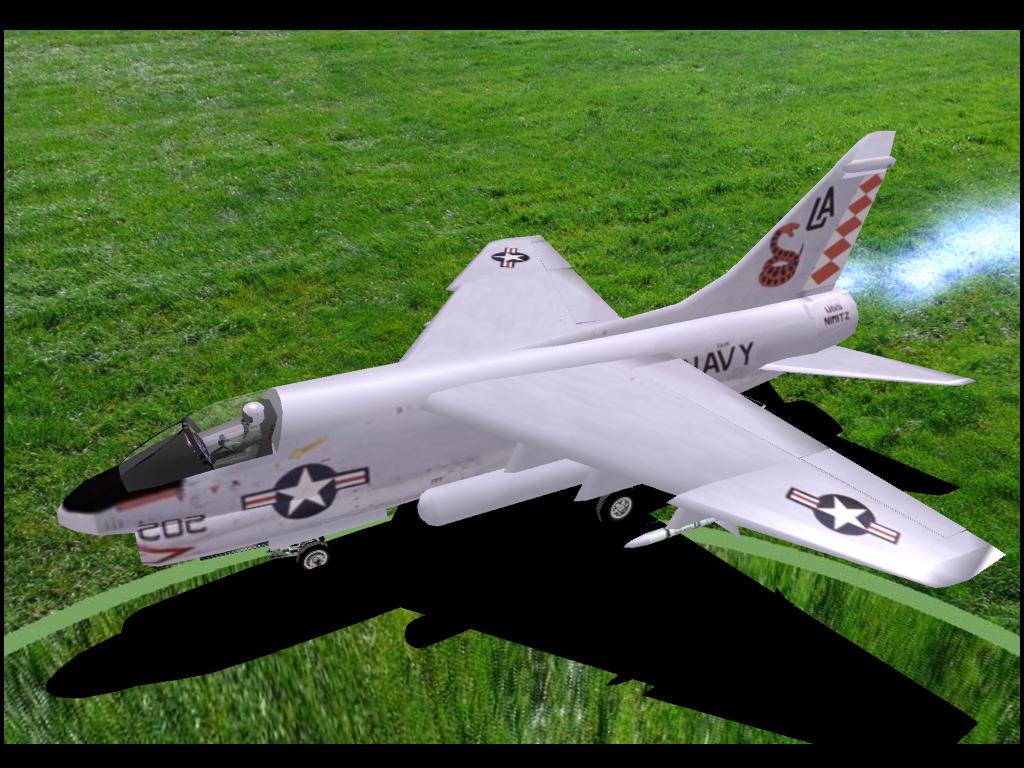
The LTV A-7 Corsair II — the subsonic carrier-attack jet derived from the F-8 Crusader — captured as an RC EDF scale model.
About
The LTV A-7 Corsair II was developed in the early 1960s as a replacement for the Douglas A-4 Skyhawk in the U.S. Navy's light-attack role. Vought received the contract on March 19, 1964, in response to the Navy's VAL (Heavier-than-air, Attack, Light) requirement, and development was rapid — the A-7 made its first flight on September 26, 1965, and entered squadron service with the U.S. Navy on February 1, 1967. The design borrowed extensively from the same company's supersonic Vought F-8 Crusader, but the A-7 is smaller, simpler, restricted to subsonic speeds, and substantially cheaper to produce.
The Corsair II built its reputation in Vietnam. Over the course of the war, A-7s flew 12,928 combat sorties for the loss of only six aircraft — a remarkable combat record that reflected both the design's robustness and the punishing Southeast Asian conditions in which it operated. The high heat and humidity of the region sapped engine performance and reduced overall thrust, yet the A-7 kept flying interdiction and close-support missions throughout.
The unmistakable A-7 silhouette — short, stubby, with the F-8 ancestry visible in the swept wing and ventral fuselage intake — is one of the more frequently modeled subsonic-carrier-jet subjects in modern RC aviation. The proportions of foam and composite EDF A-7 kits sold by major RC retailers trace directly back to the real Corsair II.
In the simulator
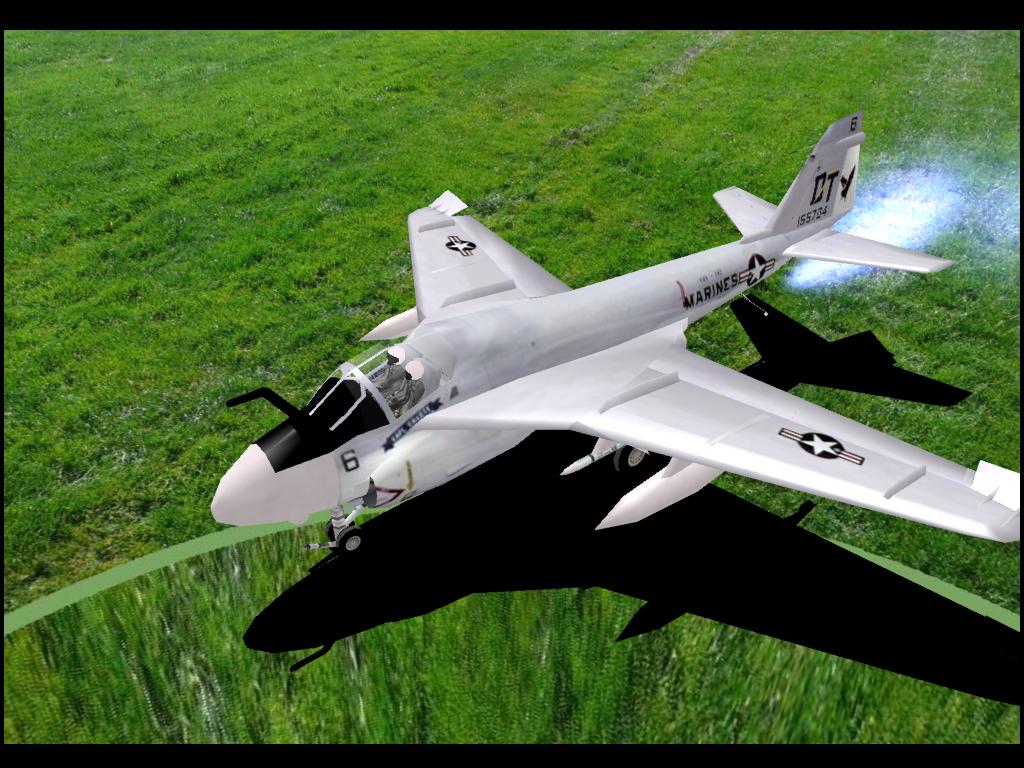
A more nimble jet than the heavier A-6 Intruder in this same pack — the A-7 is smaller, lighter, and more responsive on the controls. Use it to practice subsonic-jet pattern flying with the kind of precise approach control a real-world A-7 demanded. Pairs with airport-class landscapes that have proper runways. A natural counterpoint to the A-6 in this same pack — same era, same carrier deck, different mission philosophy.