Beluga
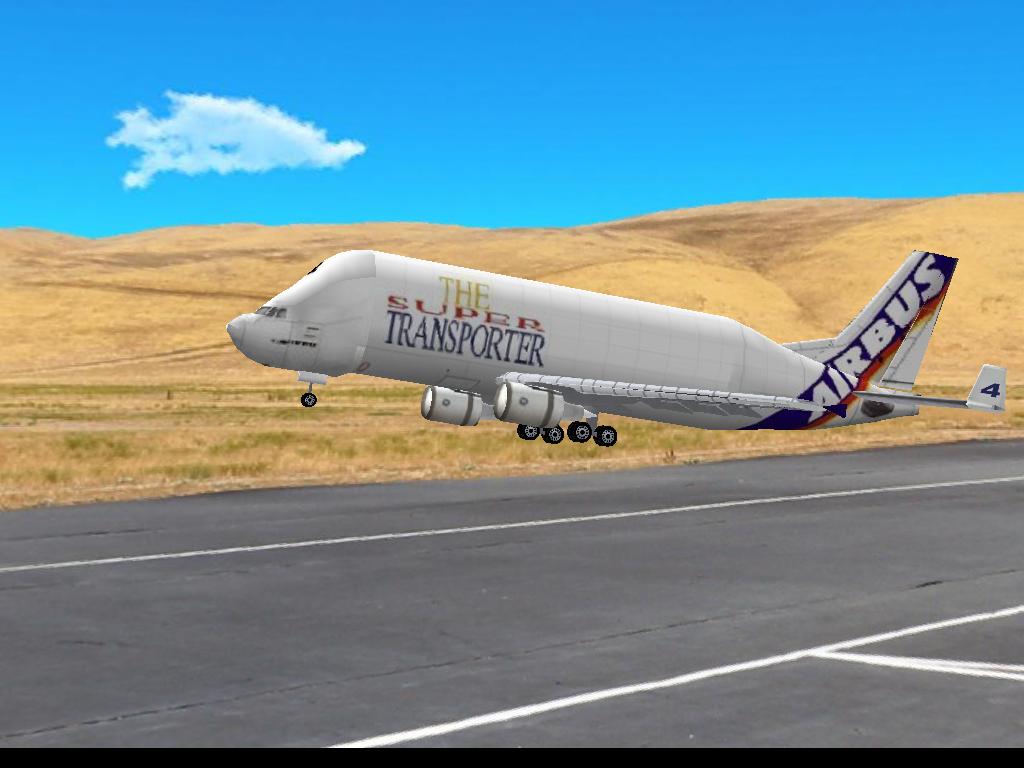
The Airbus A300-600ST Beluga Super Transporter — the whale-shaped cargo widebody that ferried Airbus parts across Europe — captured as an RC EDF scale model.
About
The Airbus A300-600ST "Beluga" Super Transporter was the answer to a logistics problem unique to Airbus: the European consortium's manufacturing facilities are scattered across France, Germany, Spain, and the United Kingdom, and the wings, fuselage sections, and other major subassemblies of an Airbus airliner have to converge somewhere for final assembly. For decades that role was filled by a small fleet of Aero Spacelines "Super Guppies" — but those aged, modified ex-Boeing 377 Stratocruisers were increasingly maintenance-intensive by the early 1990s.
Airbus began construction of the first A300-600ST in September 1992 and rolled the prototype out in June 1994. The maiden flight took place on September 13, 1994 — a four-hour-twenty-three-minute first flight. The type entered a 400-hour flight test program through mid-1995, received certification that September, and entered service with Airbus in January 1996. The official designation is Super Transporter, but the nickname Beluga — bestowed because the bulbous upper-fuselage cargo bay does indeed resemble the cetacean — became universal almost immediately and was eventually adopted as the type's official name.
The freight compartment is enormous: 7.4 meters in diameter, 37.7 meters long, with a maximum payload of 47 tonnes. Five Belugas were built, and they served Airbus until being progressively retired in favor of the larger Beluga XL based on the A330. The unmistakable bulbous-fuselage silhouette is one of the most distinctive shapes in modern aviation, and a striking RC scale subject for jet builders willing to take on the visual challenge.
In the simulator
A heavyweight widebody jet with unique handling cues — the tall, bulbous fuselage gives the airframe an unusual visual signature at altitude that helps with orientation in ways a more conventional jet doesn't. Use the Beluga to practice large-aircraft pattern flying with the kind of approach speeds that demand patience. Pairs with airport-class landscapes that have proper long runways. A different category from the military jets in this same pack — civilian cargo widebody, in a class of one.