Bell X-5
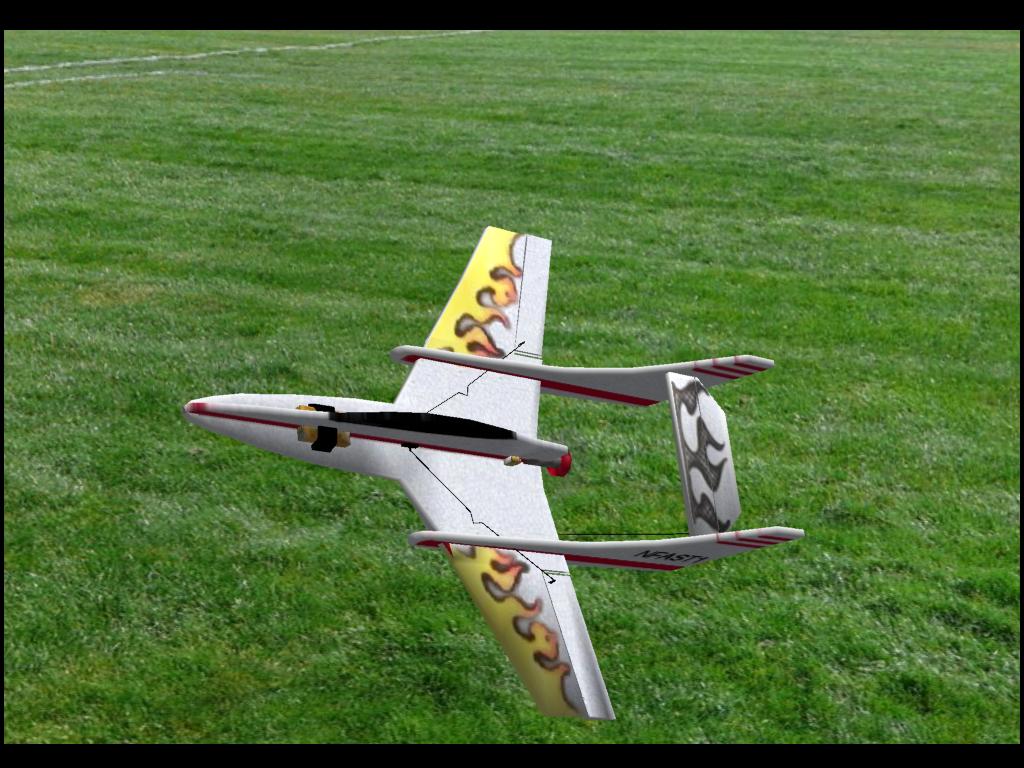
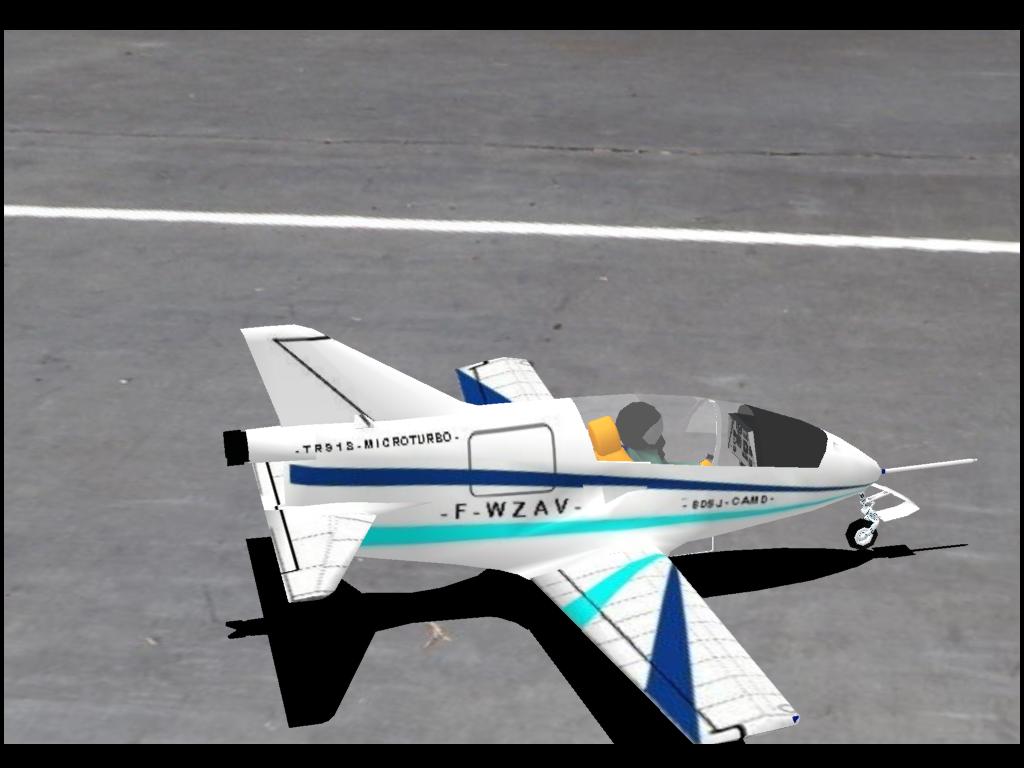
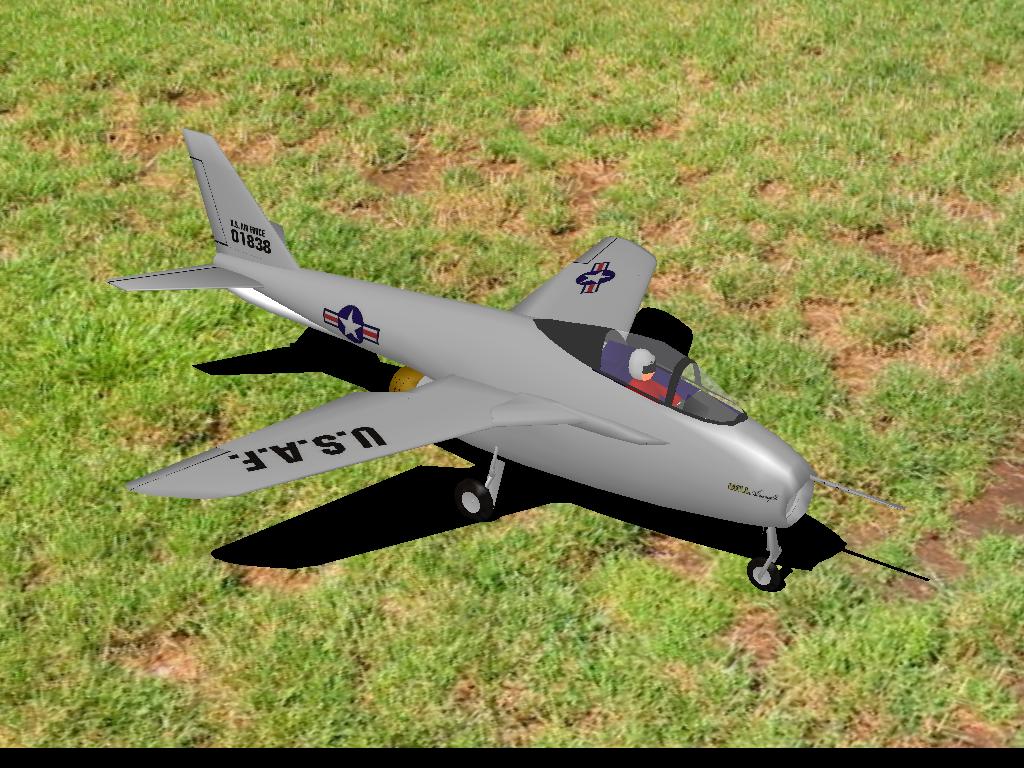
The Bell X-5 — the first aircraft ever to vary its wing sweep in flight — captured as an RC EDF scale model of a milestone X-plane.
About
The Bell X-5 was the first aircraft capable of changing the sweep of its wings while airborne. It was inspired directly by the wartime Messerschmitt P.1101 — a German variable-sweep prototype captured by U.S. troops in April 1945 from an experimental facility at Oberammergau and brought back to the Bell Aircraft factory in Buffalo, New York. The first X-5 was completed on February 15, 1951, and the type made its first flight on June 20, 1951, with Bell test pilot Jean "Skip" Ziegler at the controls.
Where the captured P.1101 had been intended to test a single fixed sweep angle for each flight, the X-5 went much further: three in-flight sweep positions of 20°, 40°, and 60°, transitioning from one to the next while airborne, allowing engineers for the first time to study variable-geometry handling across the full speed range of a single airframe. Two X-5s were built. They flew almost two hundred test flights at speeds up to Mach 0.9 and altitudes to 40,000 feet, until one was lost on October 13, 1953 when it failed to recover from a spin at maximum sweepback. The surviving X-5 continued in active research at Edwards Air Force Base until 1955 and remained in service as a chase plane until 1958.
The X-5 program demonstrated the engineering practicality of in-flight variable-sweep wings, and the concept went on to be used in the General Dynamics F-111, the Grumman F-14 Tomcat, the Mikoyan MiG-23 and MiG-27, and the Sukhoi Su-17/22 and Su-24 — every major Cold War swing-wing combat aircraft owes some of its lineage to the data the X-5 generated. As an RC subject, the X-5 is rare and unusual: a research-aircraft silhouette that almost no foamy or ARF kit covers, and a satisfying scale-modeling subject for pilots interested in aviation engineering history.
In the simulator
A rare experimental subject — fast, twitchy, and with the kind of unusual silhouette that demands attention to keep oriented at altitude. Use it to fly the kind of test-pilot pattern a real X-5 pilot would have flown: methodical climb to test altitude, controlled flight regimes, careful return for landing. Pairs well with airport-class landscapes that have proper runways. A unique offering in this pack — flying a piece of aviation engineering history.