B-26 Marauder
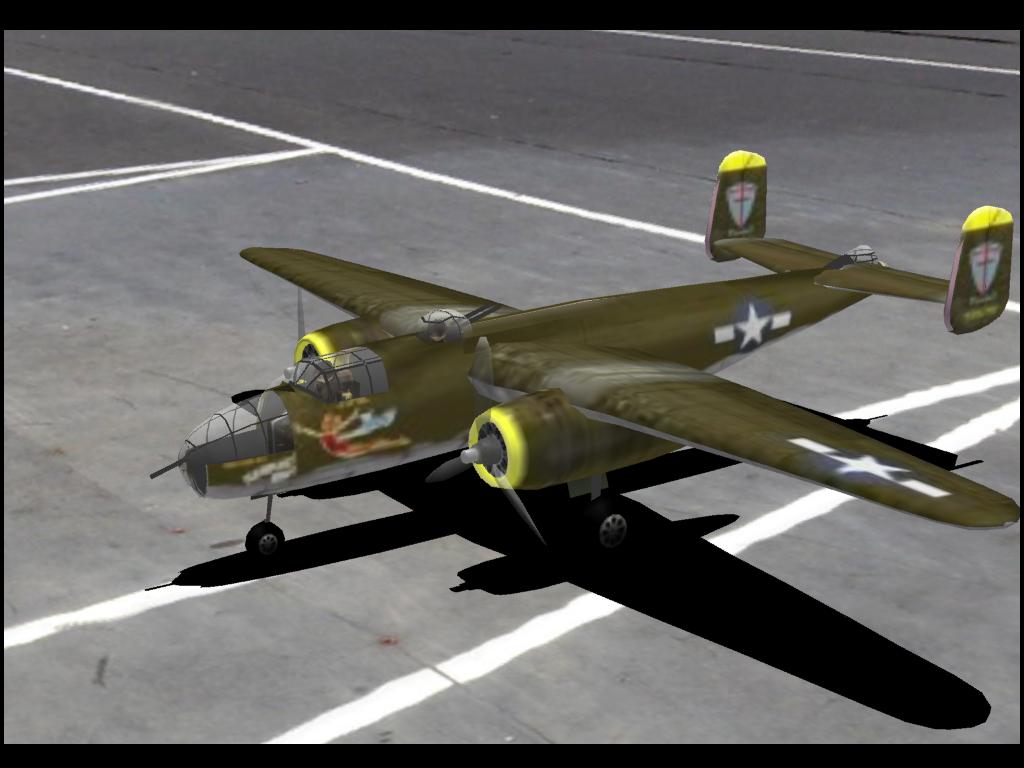
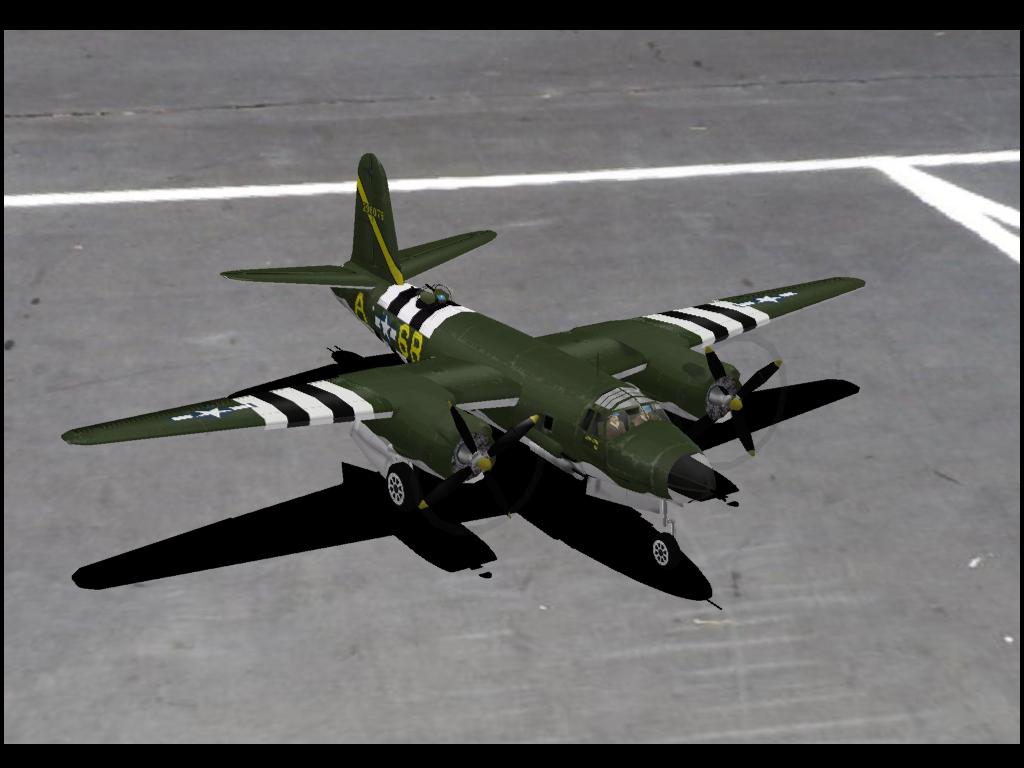
The Martin B-26 Marauder — the fastest medium bomber in the world at its 1940 debut, and the WWII airframe that earned the nickname "Widowmaker" before it became a combat success — captured as an RC scale warbird.
About
The Glenn L. Martin Company submitted its B-26 design to the U.S. Army Air Corps on July 5, 1939, in response to a March 1939 specification for a twin-engine medium bomber capable of 350 mph and 3,000 miles range. The design team, led by Peyton M. Magruder, prioritized speed over ease of handling — circular cross-section fuselage, relatively small wings with high wing loading, and tricycle landing gear. The XB-26 prototype made its first flight on November 25, 1940, and it immediately demonstrated the speed that had attracted the Army: it was the fastest medium bomber in the world at the time.
The high wing loading came at a cost. Early B-26s had to be flown at precise airspeeds, particularly on final approach and in single-engine emergencies, and the airframe quickly earned the nickname "Widowmaker" thanks to a high accident rate during transition training. The fix turned out to be procedural rather than aerodynamic — better training, better engine-out technique, and a longer wing on later variants — and once the type was understood by its pilots, the combat record was the opposite of the early reputation. By the end of WWII the 9th Air Force assessed the B-26 as having the lowest combat loss rate of any U.S. aircraft in the war. More than 110,000 sorties, 150,000 tons of bombs, and combat service with British, Free French, and South African forces.
Glenn L. Martin built 5,288 Marauders between 1941 and 1945 at plants in Middle River, Maryland, and Omaha, Nebraska. The unmistakable twin-engine, cigar-shaped fuselage silhouette is one of the more demanding WWII medium-bomber subjects in modern RC scale flying — typically built at giant-scale for serious scale fly-ins.
In the simulator
A demanding twin-engine warbird. The B-26 in our sim captures the high-wing-loading personality of the real airframe — fast in cruise, deliberate on approach, and unforgiving of sloppy airspeed control on final. Use it to practice serious twin-engine pattern flying. Pairs well with airport-class landscapes that have proper runways. A heavier-feeling counterpoint to the B-25 Mitchell in this same pack — both 1940 medium bombers, but with very different design philosophies.