A-10_GWS
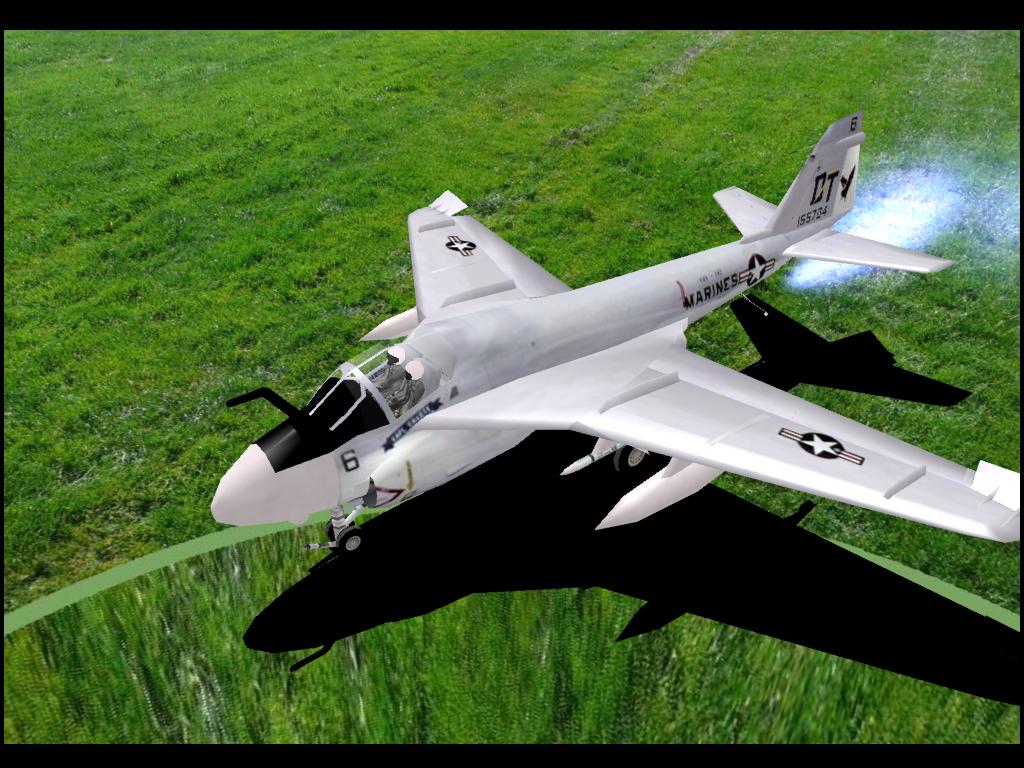
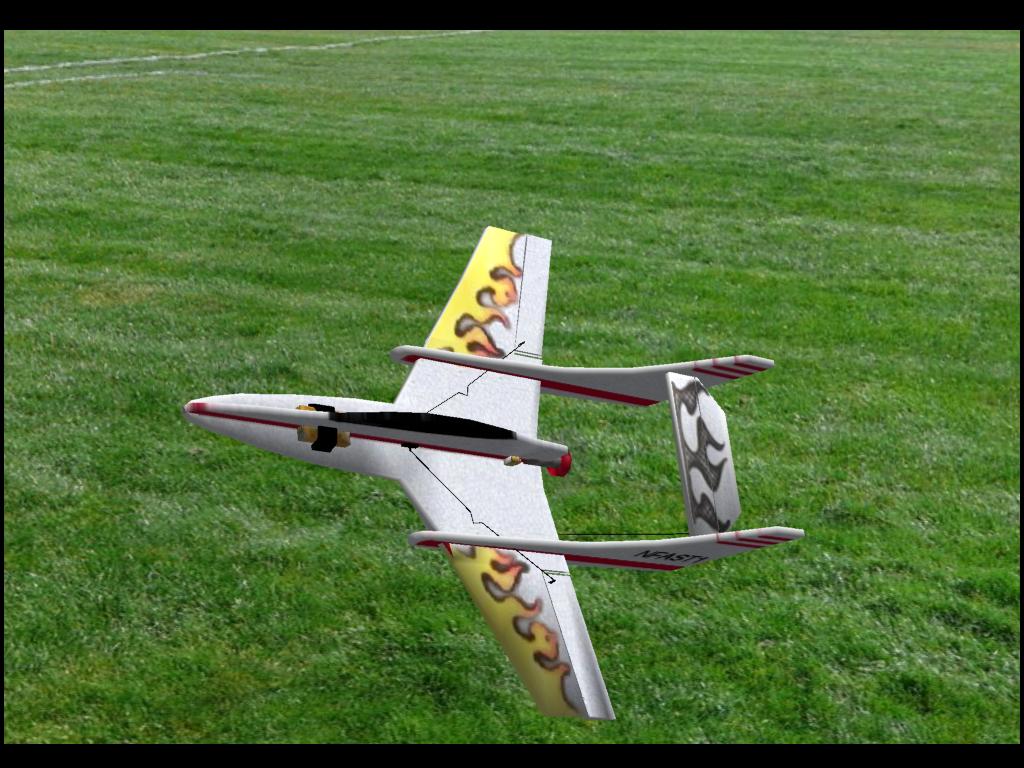
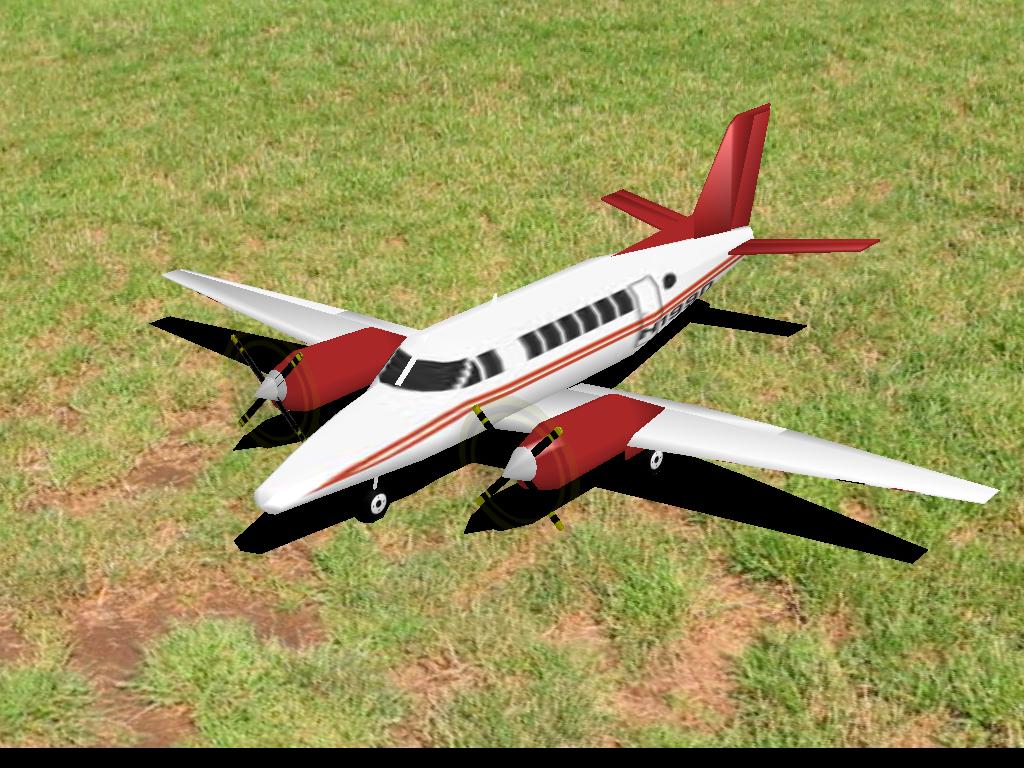
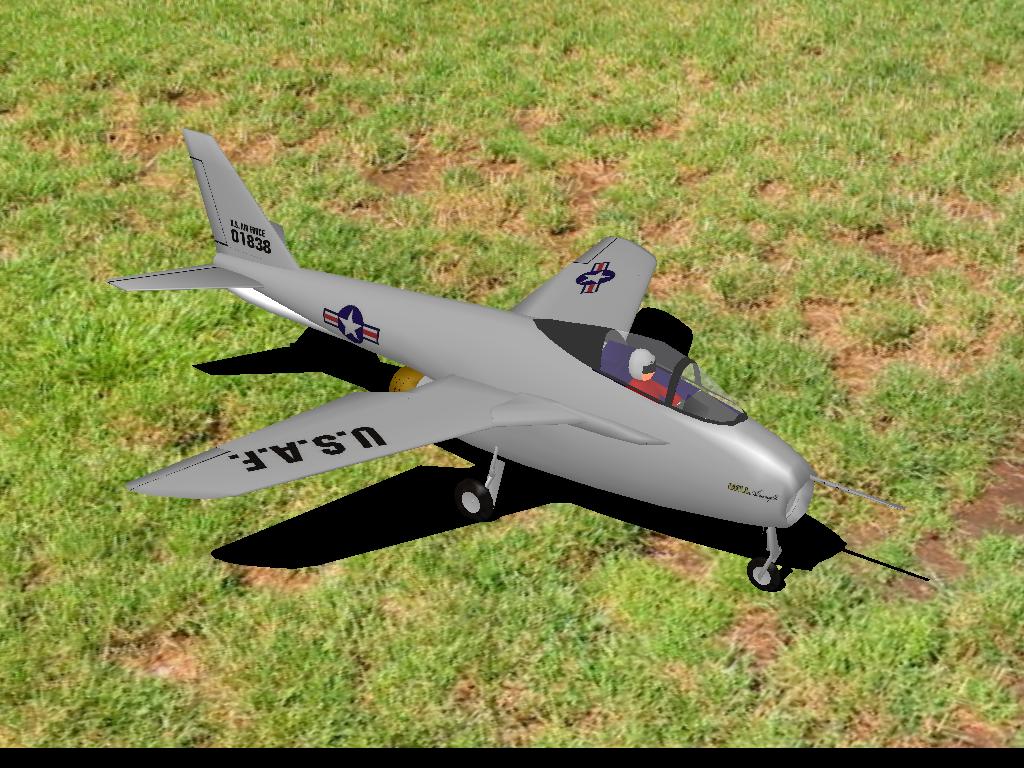
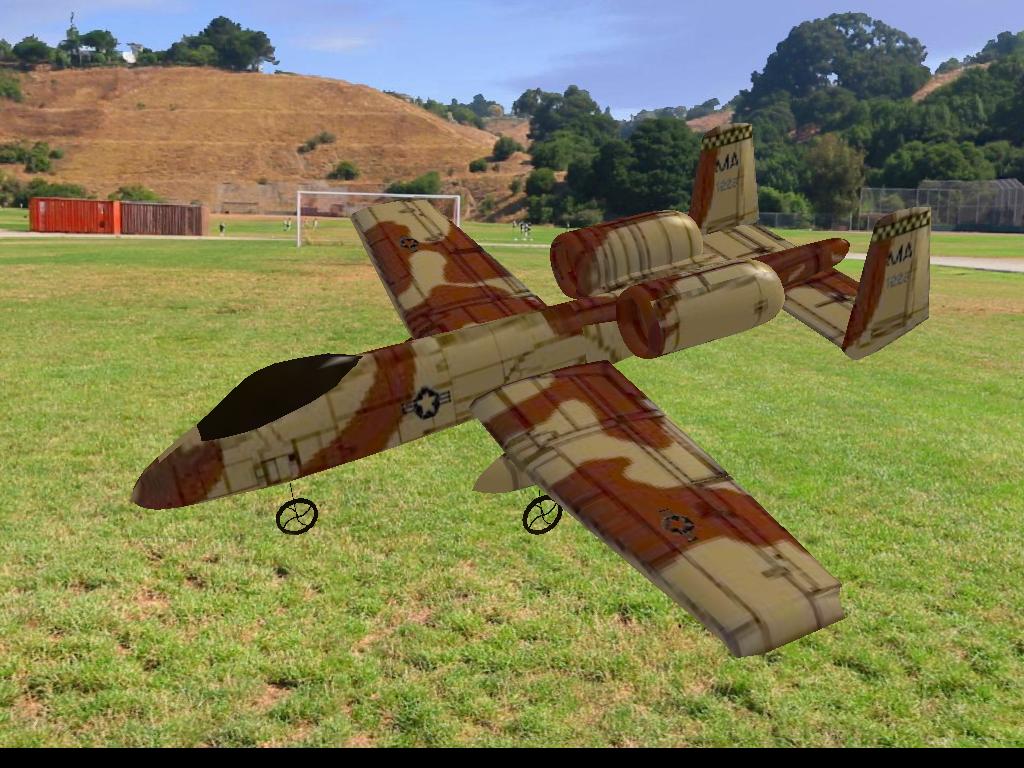
The Fairchild Republic A-10 Thunderbolt II "Warthog" — the only US production aircraft designed solely for close air support — captured as a twin-EDF RC scale model.
About
The A-10 Thunderbolt II made its first flight on May 10, 1972, with Chief Test Pilot Howard W. "Sam" Nelson at the controls of the Fairchild Republic YA-10 prototype out of Edwards Air Force Base. The design was developed in response to a 1966 U.S. Air Force requirement (the A-X Program) for an aircraft purpose-built around the close air support (CAS) mission — a role that, before the A-10, had been improvised on multi-role airframes never optimized for the job. Fairchild Republic's design beat Northrop's YA-9 for the production contract, entered service in 1977, and is named after the Republic P-47 Thunderbolt of World War II — though it has been almost universally known by the affectionate nickname "Warthog" for as long as it has flown.
The A-10 is the only production-built aircraft ever designed solely for close air support to have served with the U.S. Air Force, and the design choices show it. Two General Electric TF34-GE-100A turbofans are mounted high and rearward, flanking the twin tail — both to protect them from ground fire and to enable austere-airfield operations. The signature weapon is the GAU-8/A 30mm rotary cannon, around which the airframe was famously designed. Versatile underwing hardpoints carry rockets, missiles, and bombs.
The A-10 silhouette — twin-engine high-mounted turbofans, twin tail, blocky fuselage built around a cannon — is one of the most-modeled jet subjects in modern RC aviation. The "GWS" in this model name refers to Grand Wing Servo, an RC manufacturer that built electric ducted fan (EDF) foam and composite scale jets, and the proportions of countless modern foam and EDF A-10 RC kits sold today trace directly back to the real Warthog.
In the simulator
A demanding multi-engine jet that rewards precise throttle management. Twin-EDF thrust gives a solid acceleration profile, but the wide engine separation means asymmetric thrust on landing approach is a real consideration. Use this aircraft to practice jet-class pattern flying — energy management on approach, precise glideslope, and the subtle rudder coordination needed for a clean two-engine touchdown. Pairs with airport-class landscapes that have a real runway and approach pattern. A serious step beyond the foam trainers and aerobatic ARFs in earlier packs.