Brown-B1 Racer
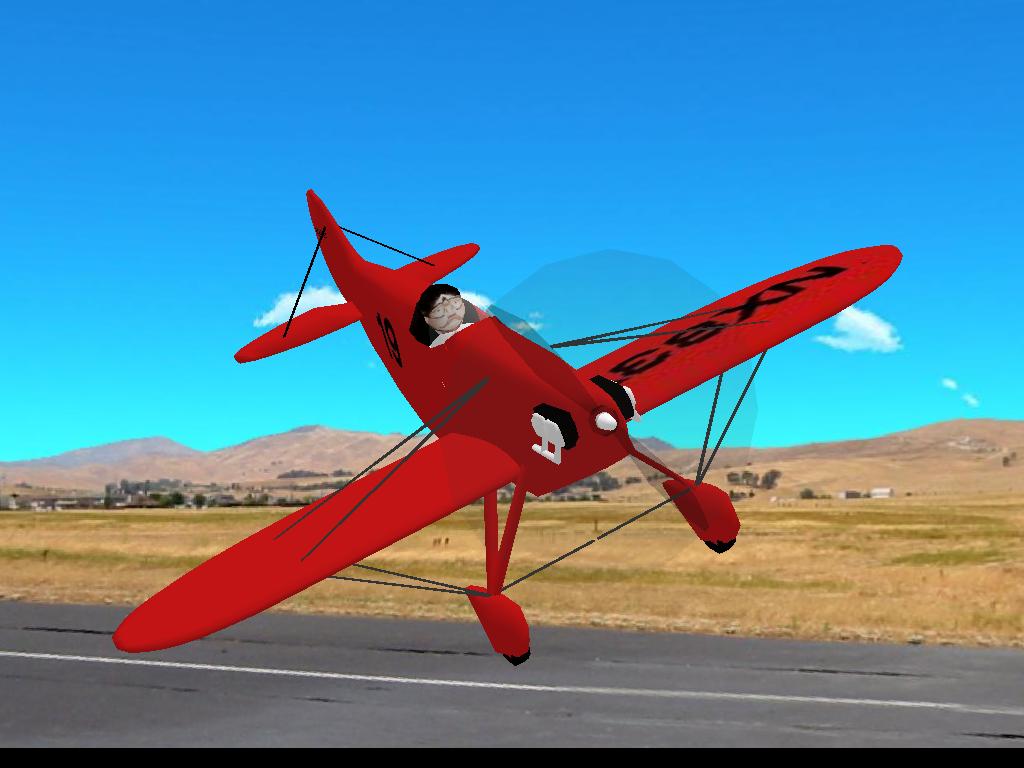
The Brown B-1 Racer — the obscure golden-age air racer from Lawrence Brown's California shop, predecessor to the famous "Miss Los Angeles" — captured as an RC scale model.
About
The Brown B-1 was the first in a short series of competition racers designed and built by Lawrence W. Brown at the Brown Aircraft Co. of Montebello, California. Brown founded his company after an adventurous early career as a pilot bomber for the Constitutionalists against Pancho Villa in Mexico — and then set about making his name as a designer of fierce, drag-minimizing low-wing competition airframes for the legendary Golden Age of American air racing.
The B-1 was succeeded the following year by the better-documented Brown B-2 "Miss Los Angeles," which made its debut at the 1934 National Air Races in distinctive scarlet paint with gold-leaf accents and won the inaugural Greve Trophy at 213.257 mph in the hands of Roy Minor, then took second at the Thompson Trophy as the only "new" entrant. Both airframes shared the design language Brown had refined: a minimal-cross-section fuselage to reduce drag, an externally cable-braced low wing, and the open-cockpit, taildragger configuration that defined the racing aesthetic of the early 1930s. Specific records and competition history of the B-1 specifically remain less well documented than the B-2's, but the type is part of the same Brown lineage that put California-built racers on the National Air Races map.
The Golden Age racer silhouette — small, drag-minimized, externally braced — is one of the more romantic scale subjects in RC, with Brown, Howard, Wedell-Williams, and Granville Brothers Gee Bee all serving as visual reference for sport-scale racer kits at modern fly-ins.
In the simulator
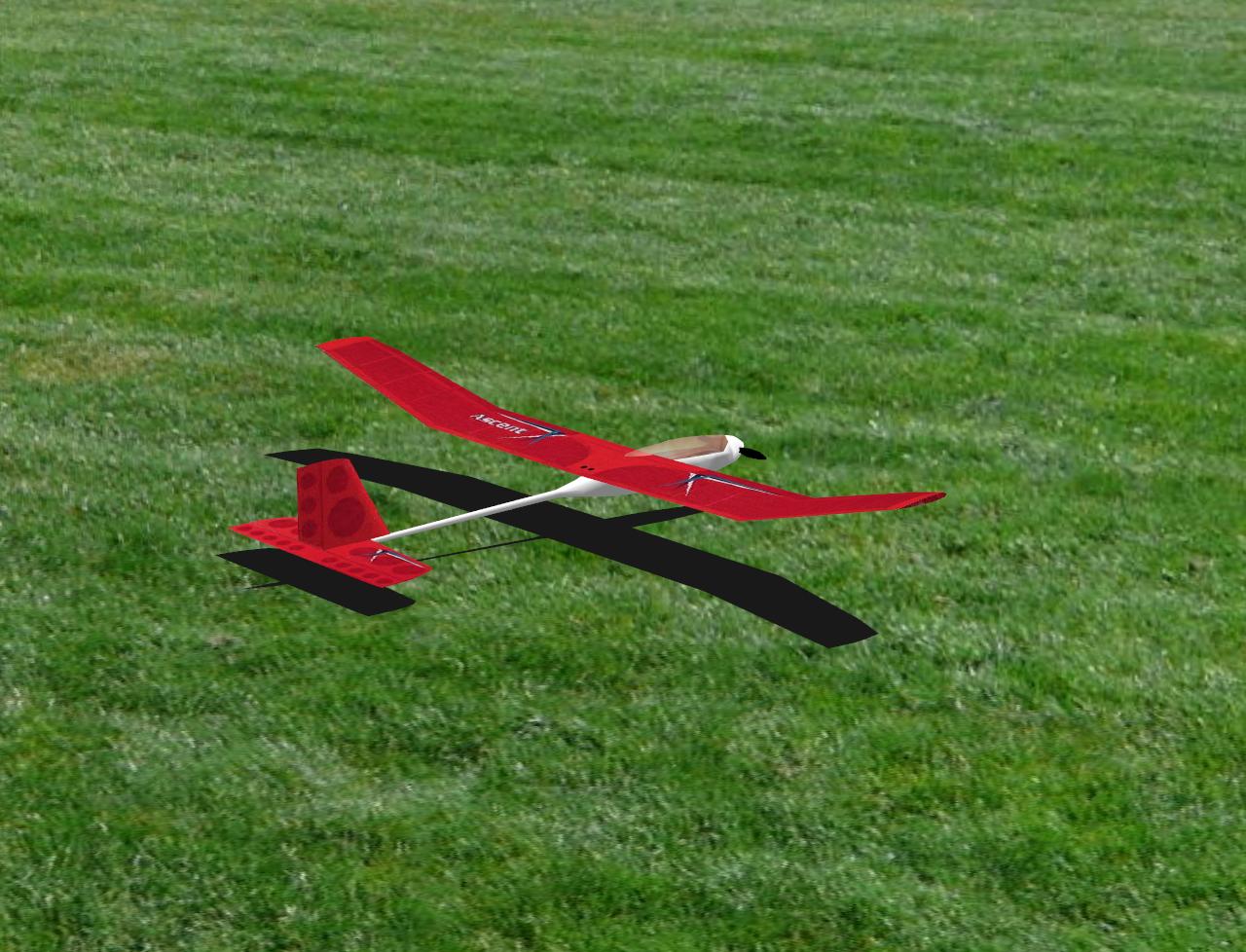
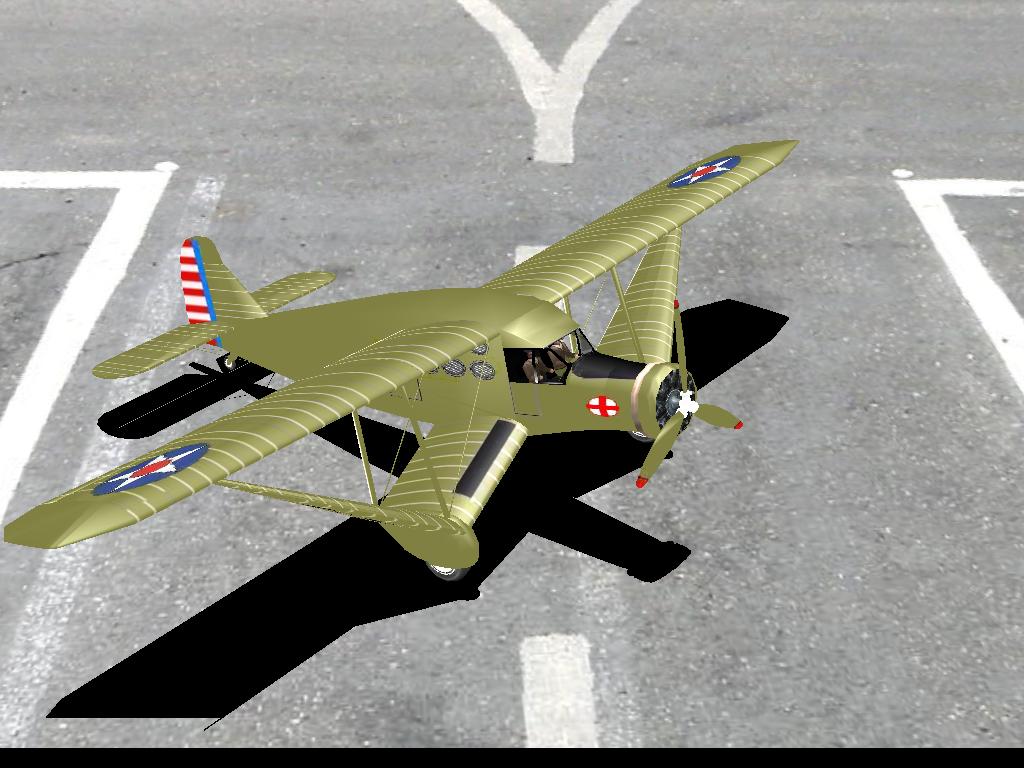
A demanding scale subject in the spirit of the Golden Age racers. The B-1 in our sim has the kind of short-coupled, twitchy handling that the real racing airframes of the era were famous for — small wings, big radial up front, narrow margins on stall and roll authority. Use it for low passes down the runway, the tight pylon-style turns of an air-race circuit, and the kind of unhurried sport-scale aerobatic that suits a 1930s racer. Pairs well with grass-strip and golden-age field landscapes.