Agri Duck Duster
A friendly tribute to the classic agricultural duster biplane — the kind of low-and-slow workhorse that put crop-dusting on the map in twentieth-century American aviation.
About
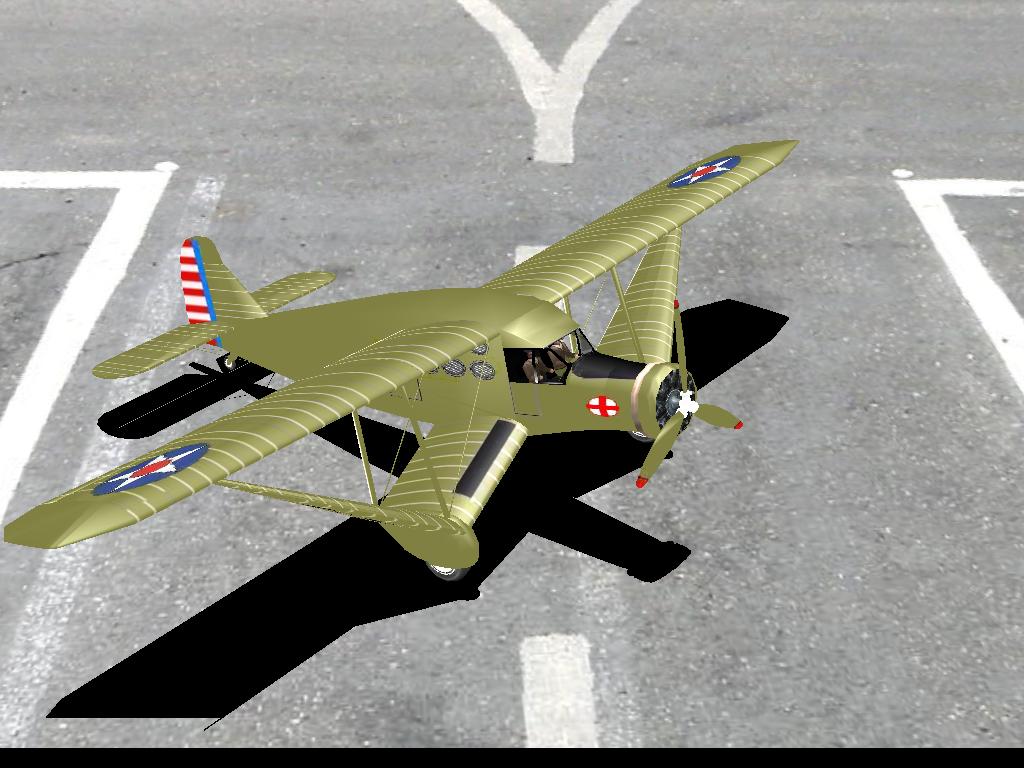
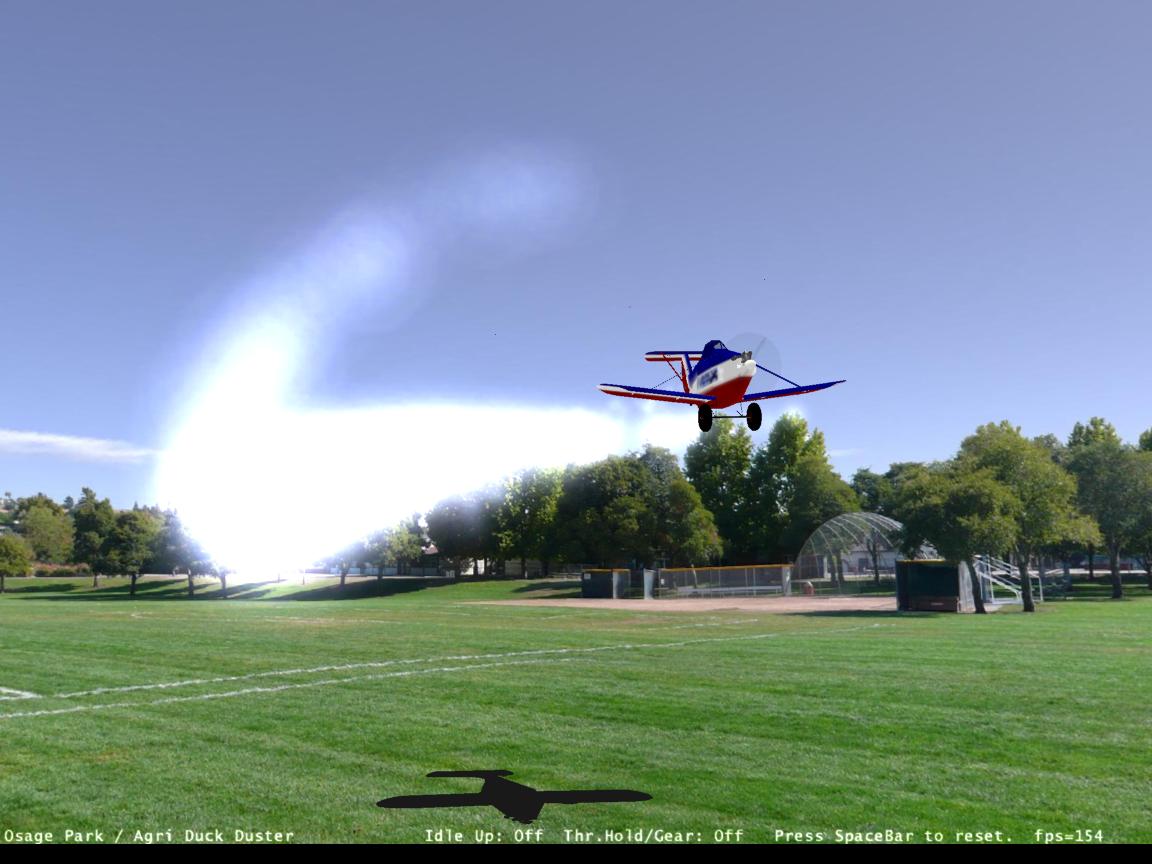
The "Agri Duck Duster" is a tribute to the agricultural aviation tradition that has been part of American skies since the 1920s. The category is a real and storied one — Stearman PT-17s converted from military trainers to crop work, the purpose-built Grumman Ag-Cat, the rugged Air Tractor monoplanes that dominate the modern industry — and the small biplane silhouette is the visual shorthand most people still associate with the role, even though the modern crop-dusting fleet is overwhelmingly turbine-powered monoplanes.
The recipe for a duster biplane is unmistakable. A single radial engine for reliability, generous wing area for maneuverability at the low altitudes the work demands, conventional tailwheel landing gear for unprepared field operations, a substantial hopper amidships for the chemical or seed payload, and the kind of robust airframe that can absorb the constant cycle of low-altitude turns and pull-outs without complaint. Color schemes lean toward the bright and high-visibility — yellow, orange, red and white — both for safety in low-altitude operations near power lines and to make the working aircraft visible to the pilot from a distance during repeat passes over a field.
The duster category has a romantic streak in popular culture out of proportion to its commercial scale: Cary Grant being chased by one in North by Northwest, generations of stories about pilots who fly low for a living, and a workmanlike spirit that fits the kind of pilots who choose the job. The unmistakable duster-biplane silhouette — short coupled, big radial up front, slightly aggressive stance on its tailwheel — appears in countless foam and balsa scale-aerobatic kits sold by online RC retailers, where the type lives on as one of the most evocative sport-scale subjects in the hobby.
In the simulator
A friendly low-and-slow flyer with the sport-scale character of the duster category. The biplane wing pair gives generous low-speed authority, while the tailwheel landing gear adds a rudder-discipline element to ground handling. Use it for low passes down the runway, the gentle figure-eight pattern of a real cropwork sortie, and unhurried scale flying. Pairs well with rural and grass-strip landscapes that suit the agricultural-aviation aesthetic.