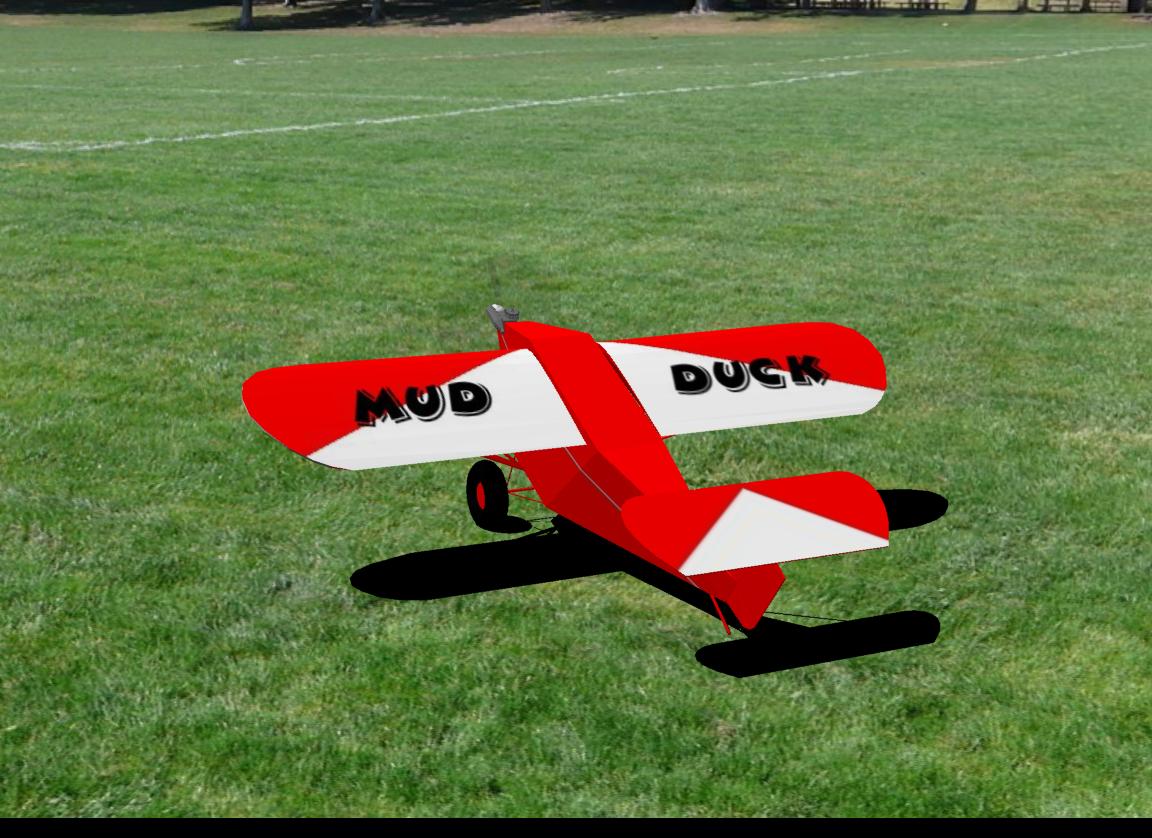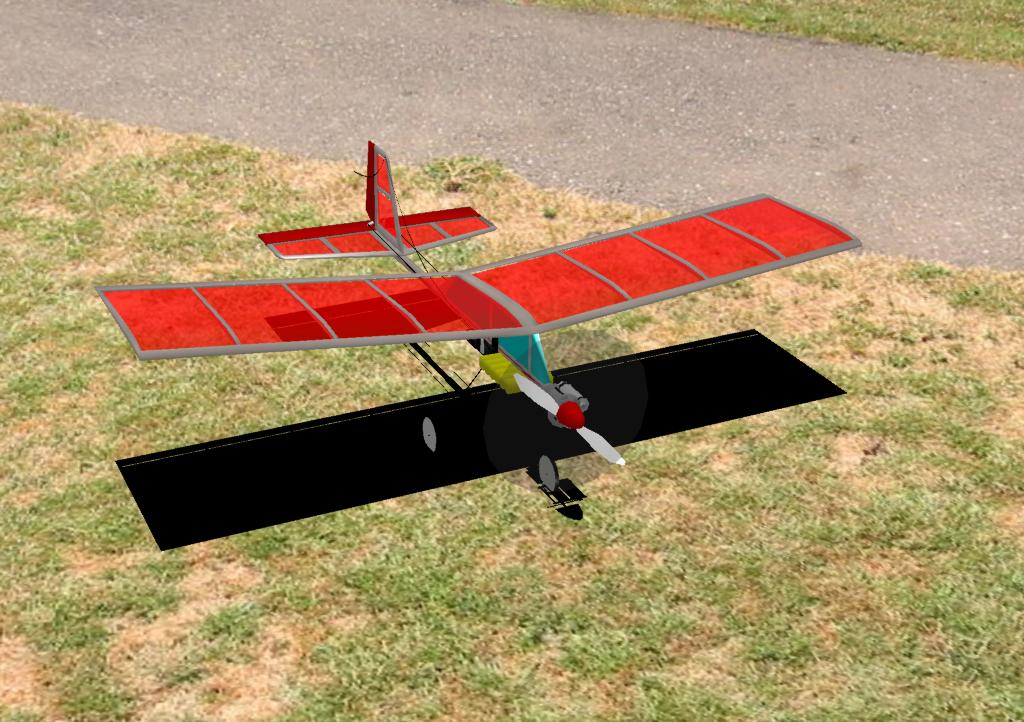
PA-Cub with Floats
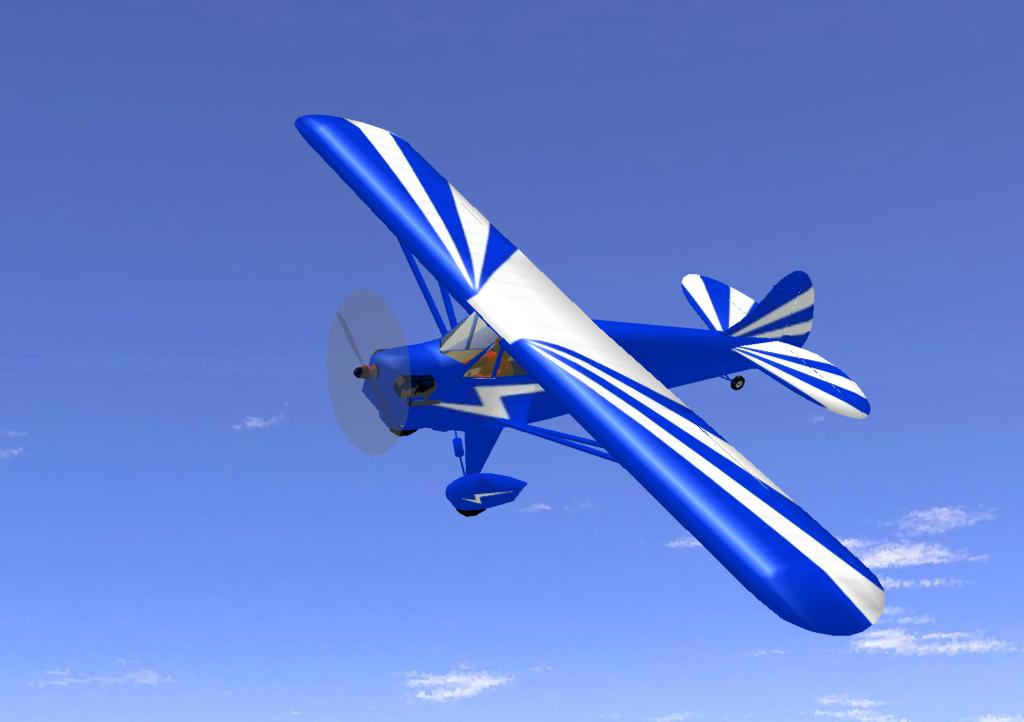
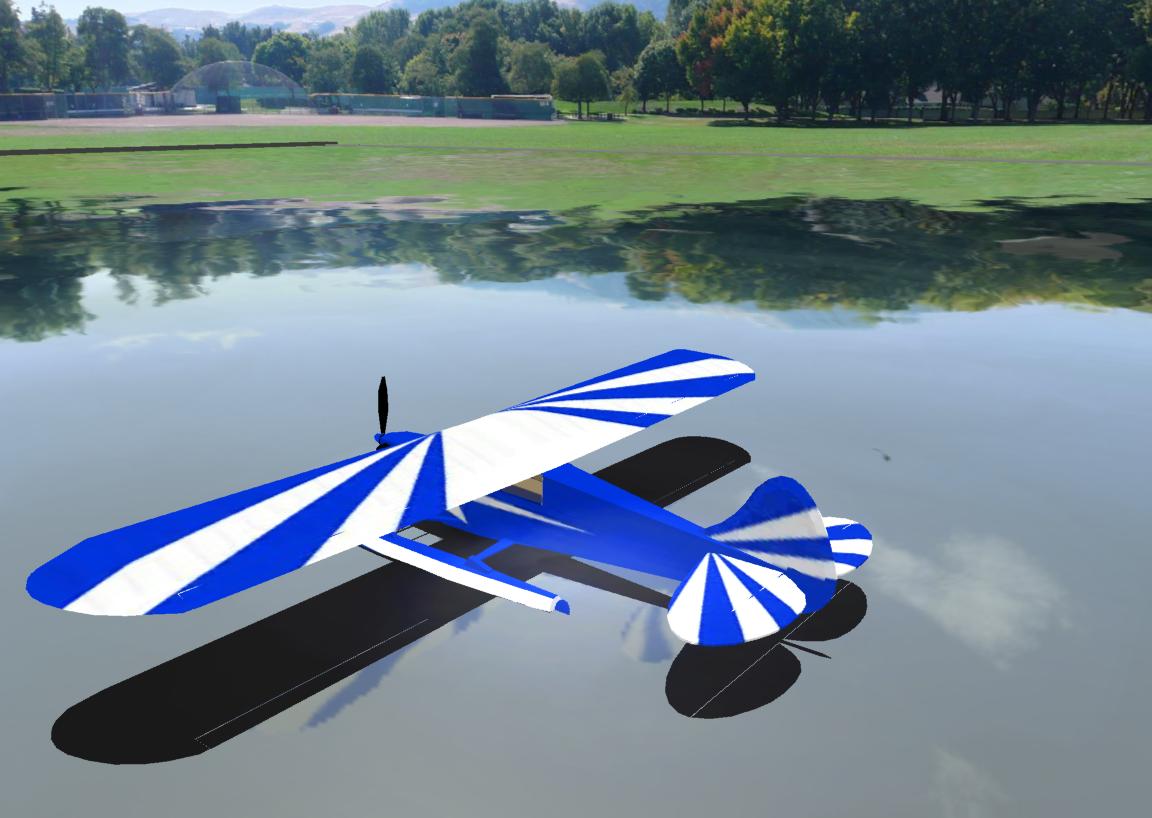
The Piper PA-18 Super Cub on floats — the bushplane fitted for water flying, in the tradition of Alaska's seaplane operators.
About
The Piper PA-18 Super Cub is one of the most-loved light aircraft ever produced — descended from the Piper J-3 Cub of the 1930s, with more power, stronger structure, and the same slow, friendly taildragger handling that made the Cub the world's most popular light aircraft. The PA-18 first flew in 1949 and entered production at Piper's Lock Haven, Pennsylvania, factory in 1950. Production ran for forty-four years with over 9,000 airframes built.
This variant of the model adds floats — turning the bush plane into a water-capable bushplane in the tradition of every floatplane operator from Alaska to the Maine north woods. Edo, EDO-Aire, and Wipline-built floats have been the standard fitments for Super Cubs across most of the type's career, and the high-wing strut-braced single-engine-on-floats silhouette is one of the most evocative shapes in light aviation. Surviving Super Cub floatplanes continue to fly working bush operations and recreational missions today, more than seventy years after the type's first flight.
The unmistakable Super Cub-on-floats silhouette appears in countless modern foam, balsa, and giant-scale RC kits — the "Cub on floats" sport-scale category remains one of the most appealing in the hobby.
In the simulator
A friendly water-flying scale subject. Same gentle handling as the wheeled PA-Cub in this same pack, with the addition of float-flying technique: stepped takeoff runs, gentle water touchdowns, and the off-axis crab a floatplane needs in a crosswind. Use it for relaxed bush-flying scale work with the unique character of water operations. A natural sibling of the wheeled PA-Cub in this same pack and the 701f / 701F2 Zenith STOL floatplanes in CV Planes Pack 1.