P38J
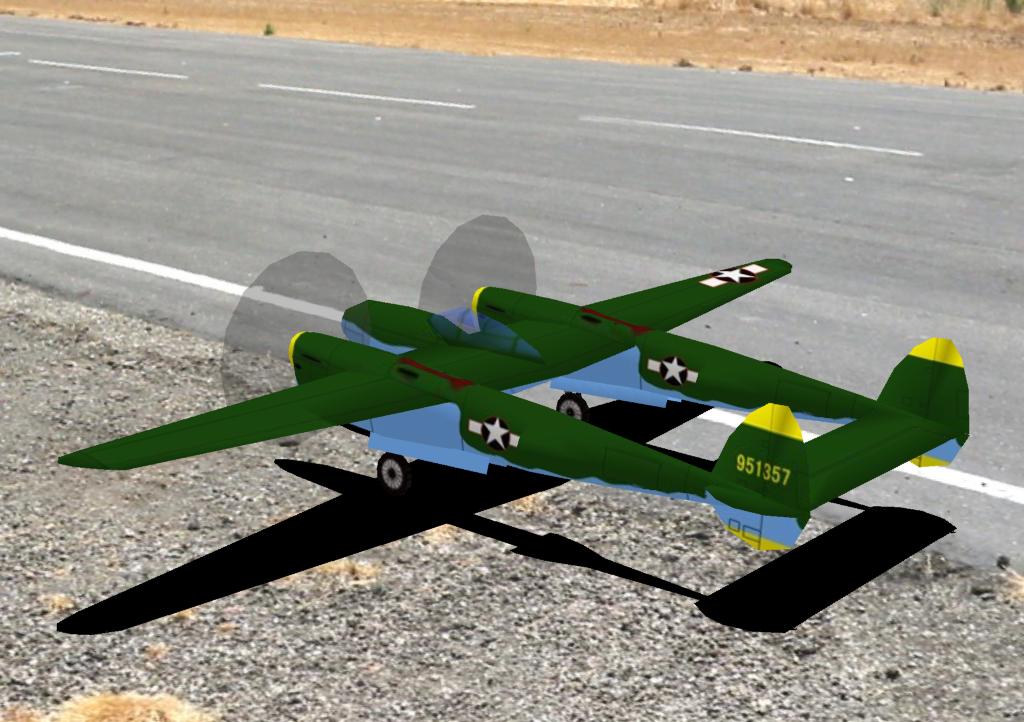
The Lockheed P-38J Lightning — the twin-boom long-range fighter that German pilots called the "fork-tailed devil" — captured as a twin-engine RC scale warbird.
About
The Lockheed P-38 Lightning is the work of Kelly Johnson and Hall Hibbard at Lockheed's Burbank, California plant, built to a 1937 Army Air Corps requirement for a high-altitude long-range interceptor. The XP-38 prototype made its first flight on January 27, 1939, with Lieutenant Benjamin Kelsey at the controls. The P-38's distinctive twin-boom configuration — twin Allison V-1710 turbocharged engines, twin tail booms, central nacelle — was the design choice that gave the Lightning the range, high-altitude performance, and combat capability no contemporary single-engine American fighter could match.
The P-38J variant that this model represents was a 1943 refinement that fixed many of the early Lightning's high-altitude cooling problems and introduced the chin-mounted intercoolers that became the type's most recognizable visual feature. The P-38J entered Pacific and Mediterranean service in 1943, and it was P-38s that flew the long-range escort and intercept mission that killed Admiral Yamamoto over the Solomon Islands in April 1943 — a precision-flown 1,000-mile round trip with no margin for error. P-38s also produced America's two highest-scoring fighter aces of the Second World War, Major Richard Bong (40 kills) and Thomas McGuire (38 kills), both flying with the 5th Air Force in the Pacific.
The Lockheed P-38 was the only American fighter in continuous production from before Pearl Harbor through the end of the war, with over 10,000 airframes built. The unmistakable twin-boom silhouette is one of the most-modeled WWII subjects in modern RC scale flying, typically tackled at giant-scale by serious twin-engine modelers.
In the simulator
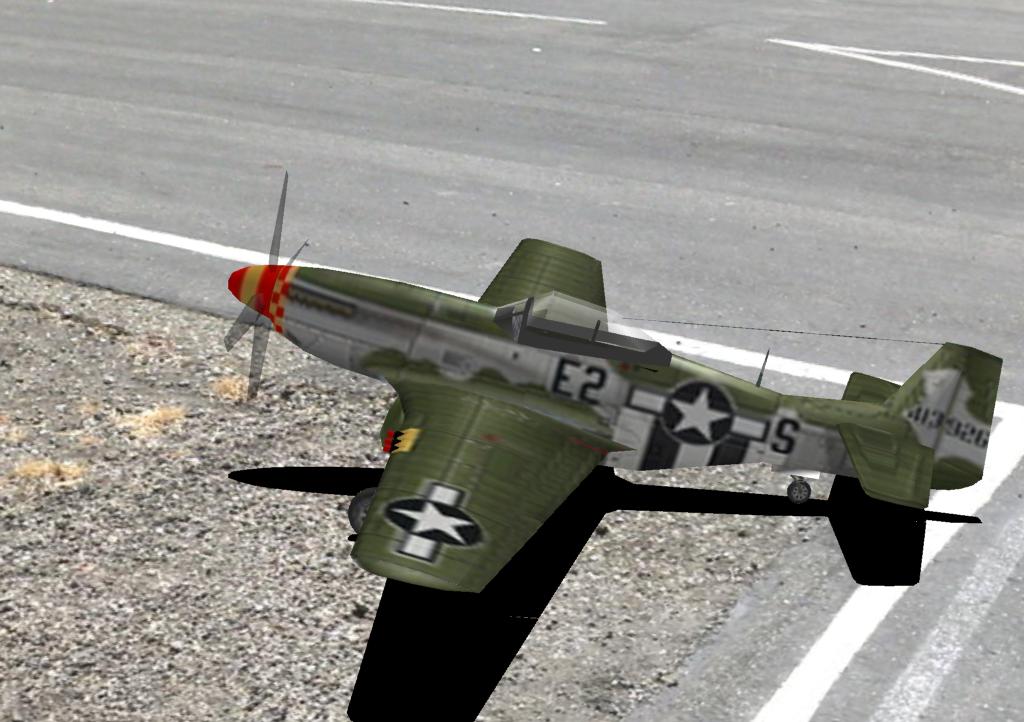
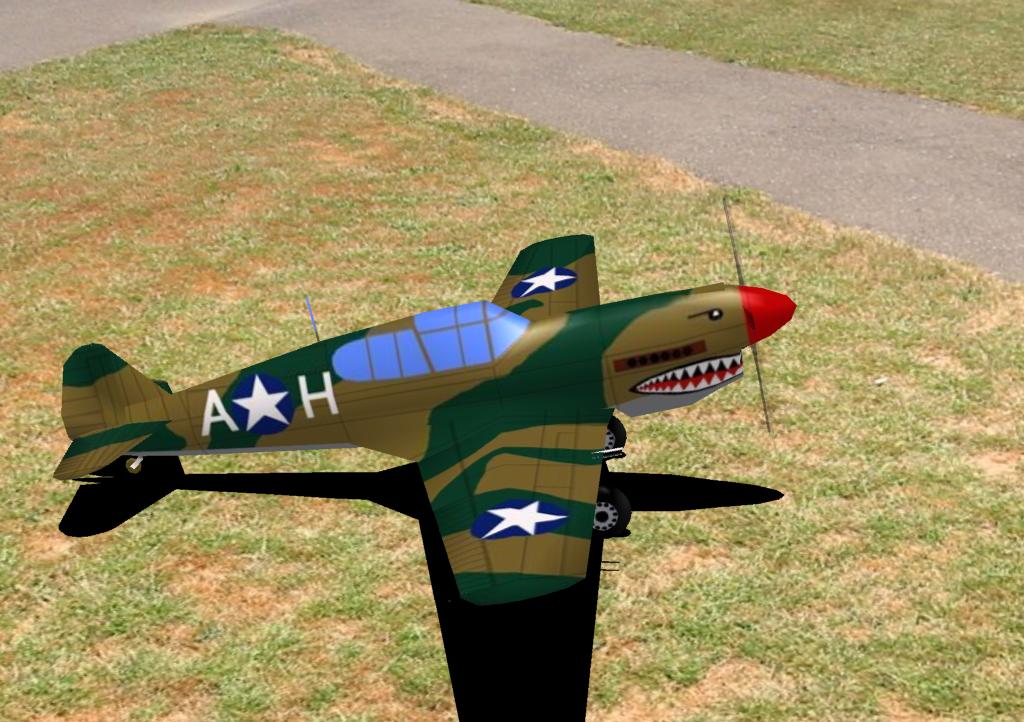
A demanding twin-engine warbird with the substantial inertia and twin-engine throttle coordination that a real Lightning pilot trained for. Use it for serious multi-engine scale flying with WWII-era engine character. A natural sibling of the P-51 Mustang and P40F in this same pack — three of the most successful American fighters of the Second World War.