P-51 Mustang
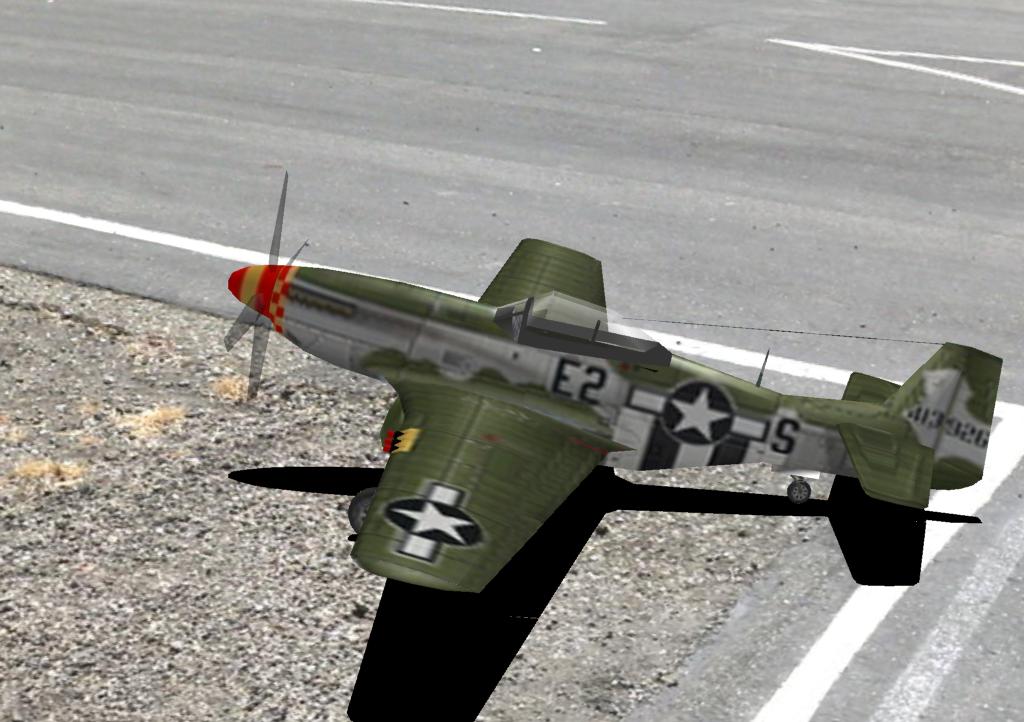
The North American P-51 Mustang — the long-range escort fighter that turned the tide of the daylight bombing campaign over Europe — captured as a sport-scale RC warbird.
About
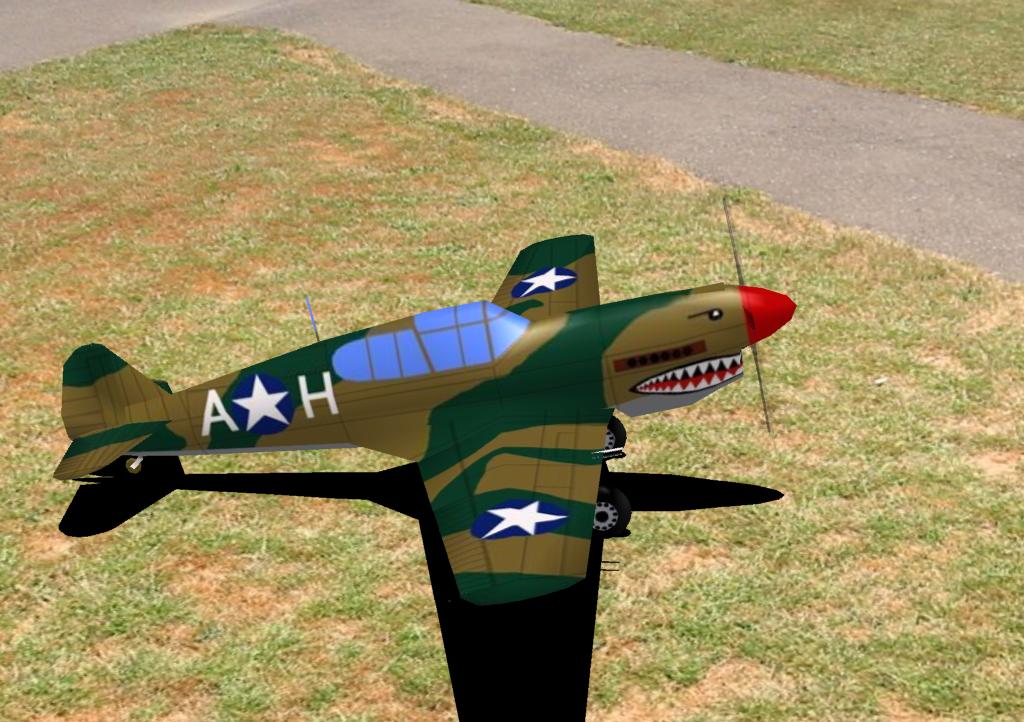
The P-51 Mustang was conceived in extraordinary circumstances. In April 1940, the British Purchasing Commission asked North American Aviation to build the Curtiss P-40 under license; North American countered with a proposal to design an entirely new fighter to the same timeline, and the prototype NA-73X made its first flight on October 26, 1940 — just 102 days after design work began. Early Mustangs with the original Allison V-1710 engine had disappointing high-altitude performance, but a 1942 conversion to the Rolls-Royce Merlin engine transformed the type into one of the great fighter aircraft of the Second World War.
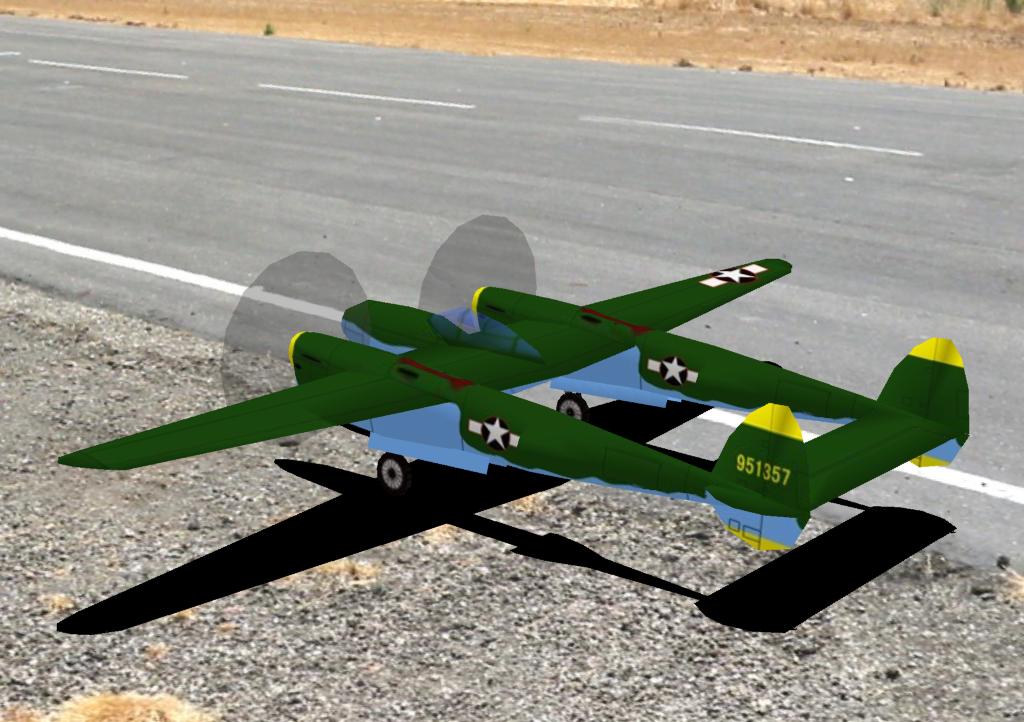
The P-51's defining contribution was range. Fitted with drop tanks and an internal fuel system that exceeded any contemporary single-engine fighter, the Merlin-powered P-51B and the bubble-canopy P-51D could escort 8th Air Force B-17 and B-24 bombers all the way to Berlin and back — a capability that simply did not exist with the P-47 Thunderbolt or P-38 Lightning. The Mustang's arrival in late 1943 turned the daylight bombing campaign from an attritional disaster into a decisive offensive, and Mustang pilots from the 4th, 354th, 355th, and 357th Fighter Groups (among many others) racked up the kill scores that broke the back of the Luftwaffe through 1944.
North American built nearly 16,000 Mustangs across all variants. Surviving P-51Ds remain among the most prized flying warbirds in the world, and the unmistakable Mustang silhouette — laminar-flow wing, ventral radiator scoop, bubble canopy — is one of the most-modeled WWII fighter subjects in modern RC scale flying.
In the simulator
A demanding warbird scale subject. The Mustang in our sim has the substantial-but-rewarding handling of the real airframe — the Merlin-powered low-wing layout, the long-coupled fuselage, and the kind of energy management a real WWII pilot trained for. Use it for warbird-style scale flying: low passes, gentle wing-overs, and the unhurried fighter pattern. A natural sibling of the Spitfire (Scale WW2 Warbirds pack) and Hurricane (CV Planes Pack 4).