Extra 300 Red Bull
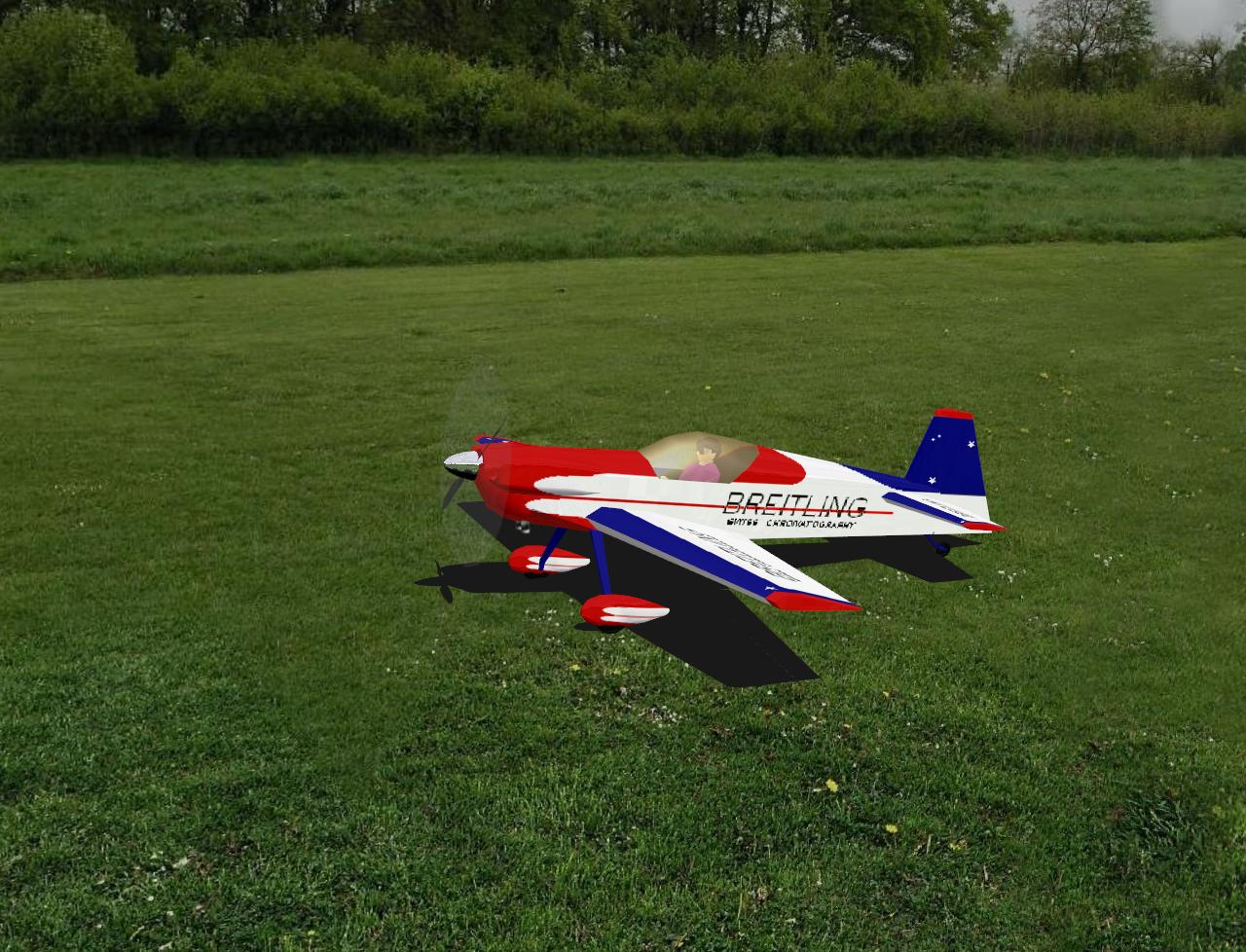
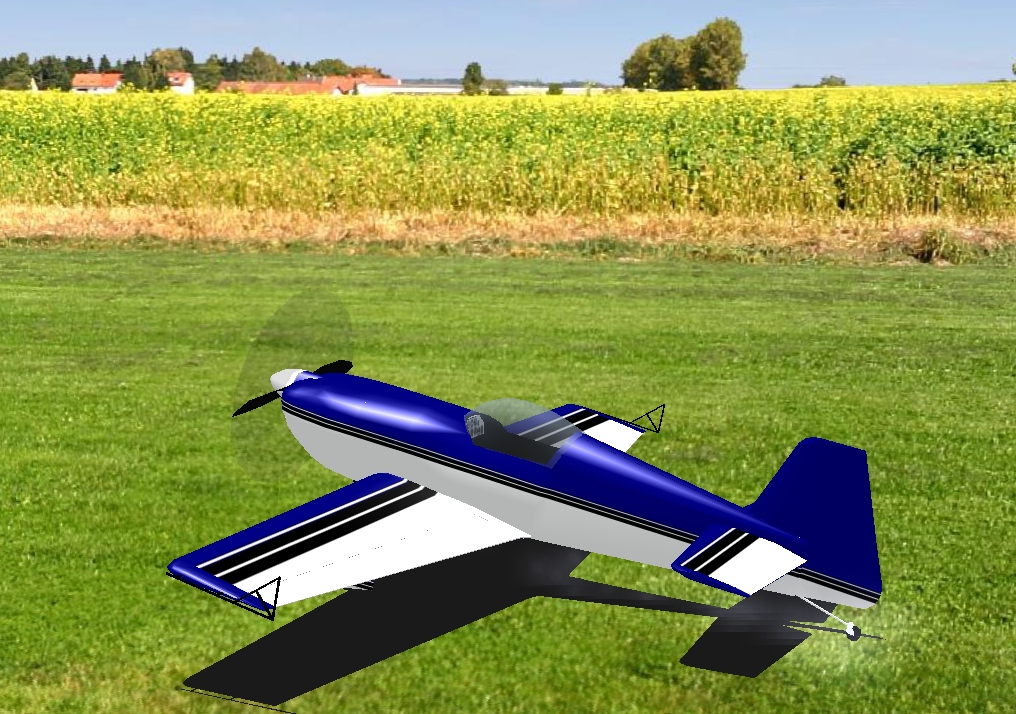
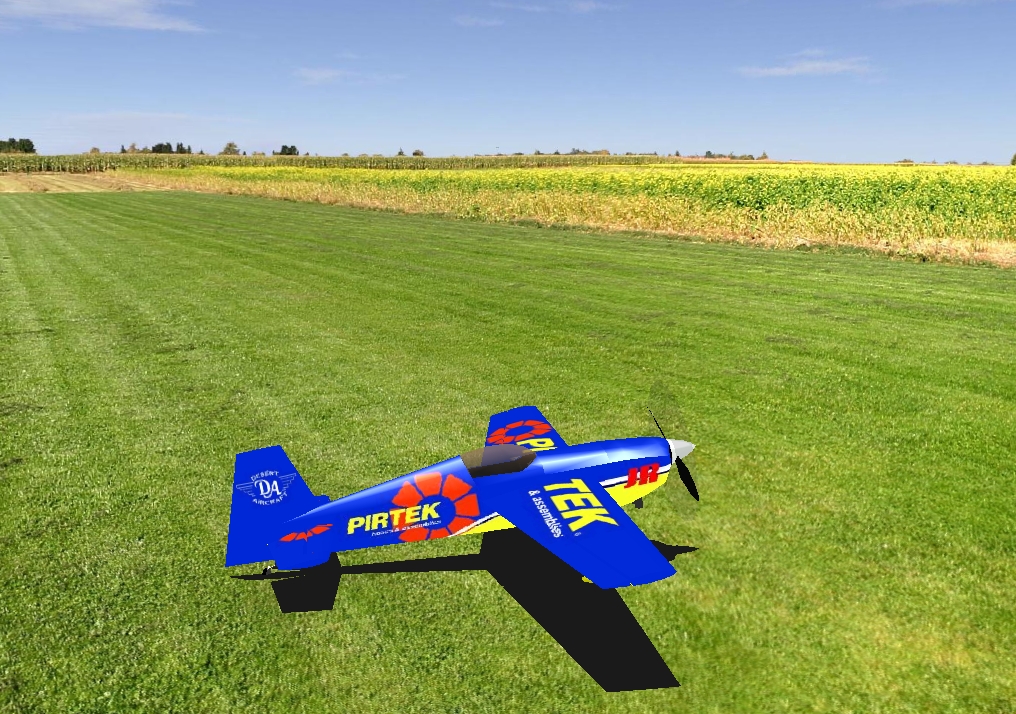
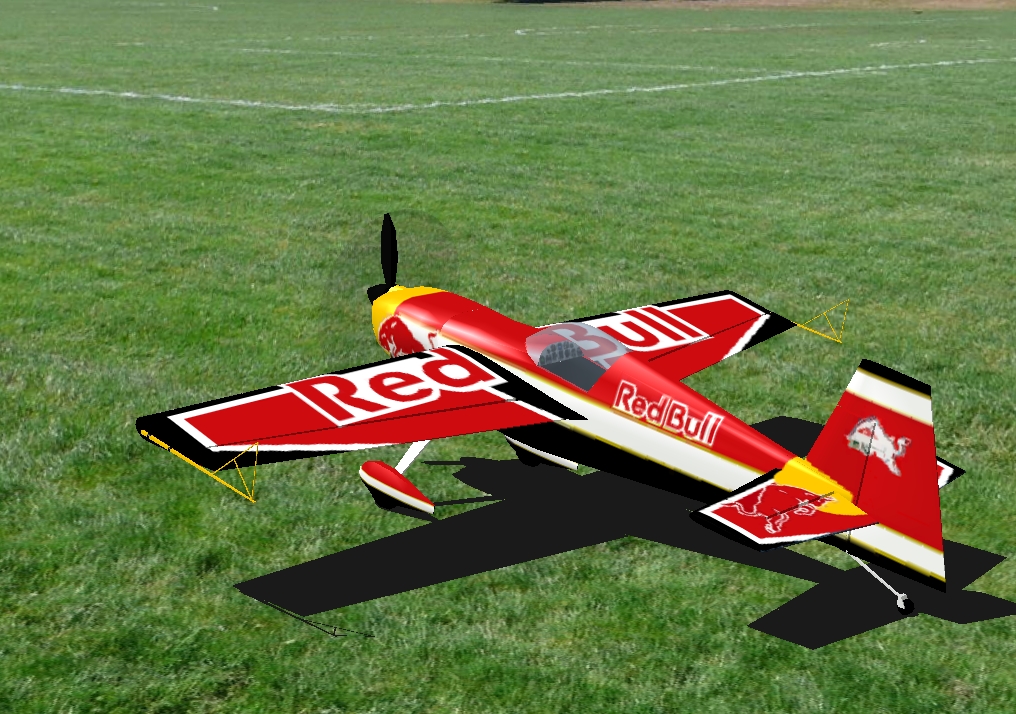
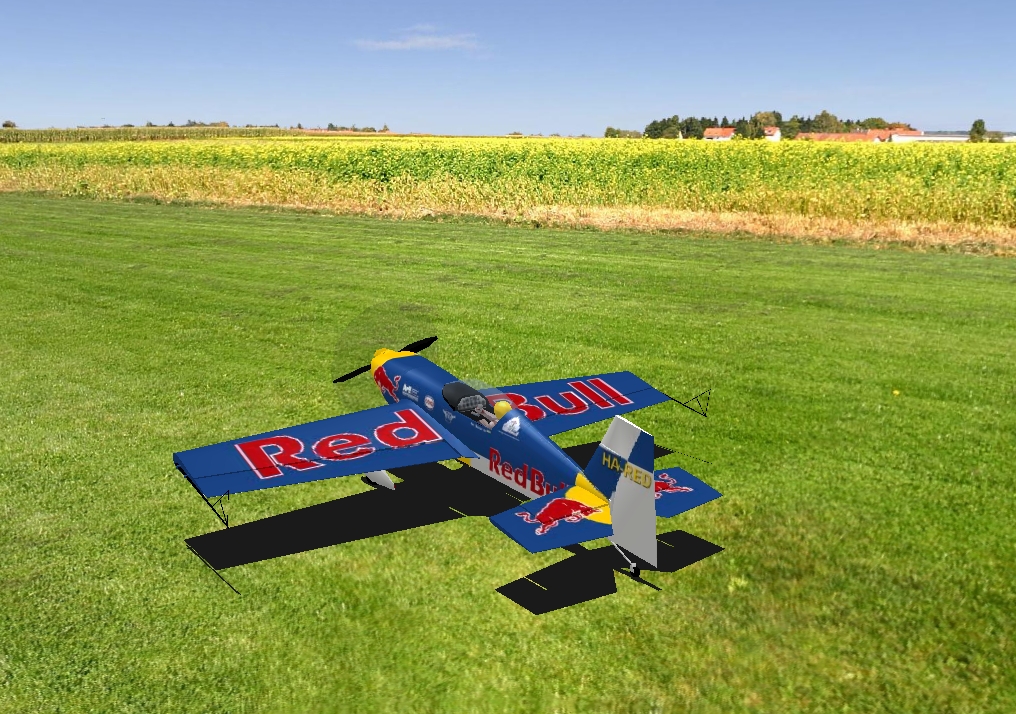
The Walter Extra 300 — the two-seat German unlimited aerobat that has been a fixture of world championships since 1988 — in Red Bull livery as a giant-scale RC model.
About
The Extra 300 is the work of Walter Extra, a German aerobatic pilot and aircraft designer whose company Extra Flugzeugbau in Hünxe has produced unlimited-aerobatic aircraft since the early 1980s. The Extra 300 prototype made its first flight on May 6, 1988 — the company's first two-seat design, leveraging lessons learned from the earlier single-seat Extra 230 and Extra 260, and built around a 300hp Lycoming AEIO-540 six-cylinder engine and a carbon-fiber composite wing.
Six pilots flew Extra airframes at the 1988 FAI World Aerobatic Championship, with three aviators — Walter Extra himself, Eric Müller, and Frank Gerstenberg — debuting the new Extra 300 at world championship level that same year. American aerobatic pilot Patty Wagstaff has flown the Extra 230, 260, and various models of the 300 in aerobatic competitions and airshows since the mid-1980s, and the Extra 300 became the airframe most associated with her competition career. Sixty-eight Extra 300s were built between 1988 and 1998, before the design evolved into the Extra 300L, 300S, and successor variants that continue in production today.
The Red Bull livery on this model represents the energy drink's long-standing sponsorship of unlimited aerobatic competition, paralleling its support of the Red Bull Air Race World Series with the Edge 540. The Extra 300 silhouette — short-coupled, mid-wing, with the long German aerobatic-aircraft snout — is one of the more photographed aerobatic-aircraft shapes of the past three decades. Foam, balsa, and giant-scale Extra 300 kits appear at scale fly-ins worldwide.
In the simulator
A serious aerobatic mount with the distinctive German design philosophy — substantial inertia compared to the smaller Edge 540, generous control authority, and the kind of stable-yet-aggressive handling that suits competition flying. Use it for the unlimited-aerobatic vocabulary: vertical lines, knife-edge passes, slow rolls, and hovering on the prop. Pairs well with open aerobatic-box landscapes. A natural sibling to the Edge 540 line and CAP232 White in this pack — three different national design philosophies for the same competition mission (Zivko American, CAP French, Extra German).