DHC-1 Chipmunk
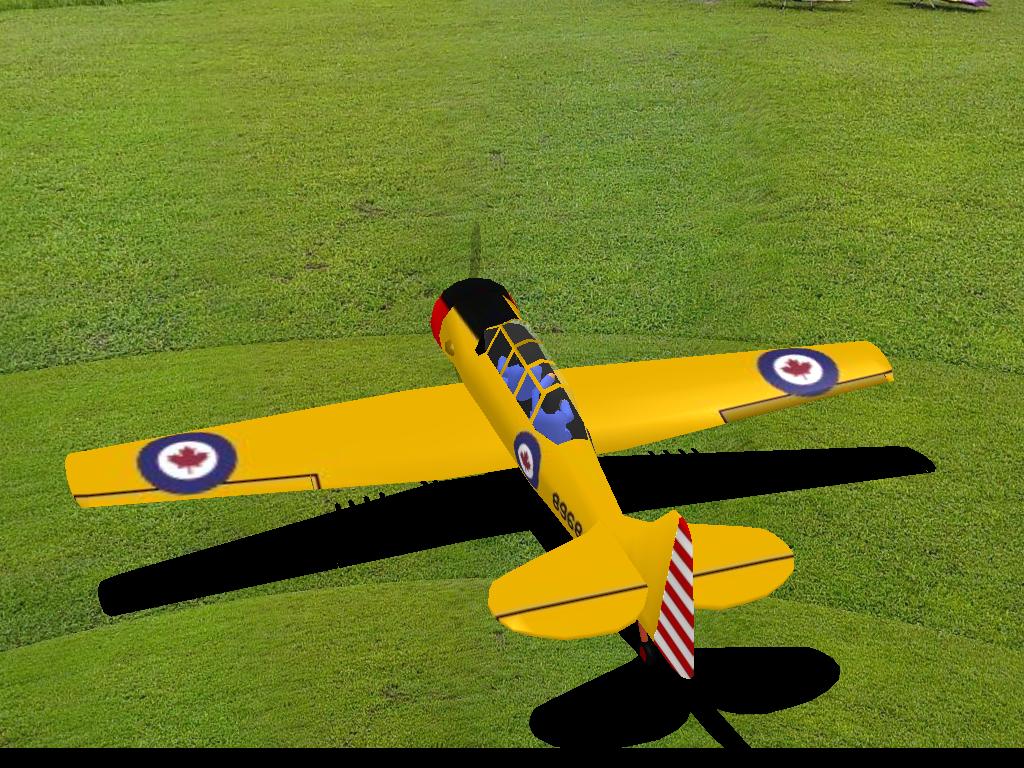
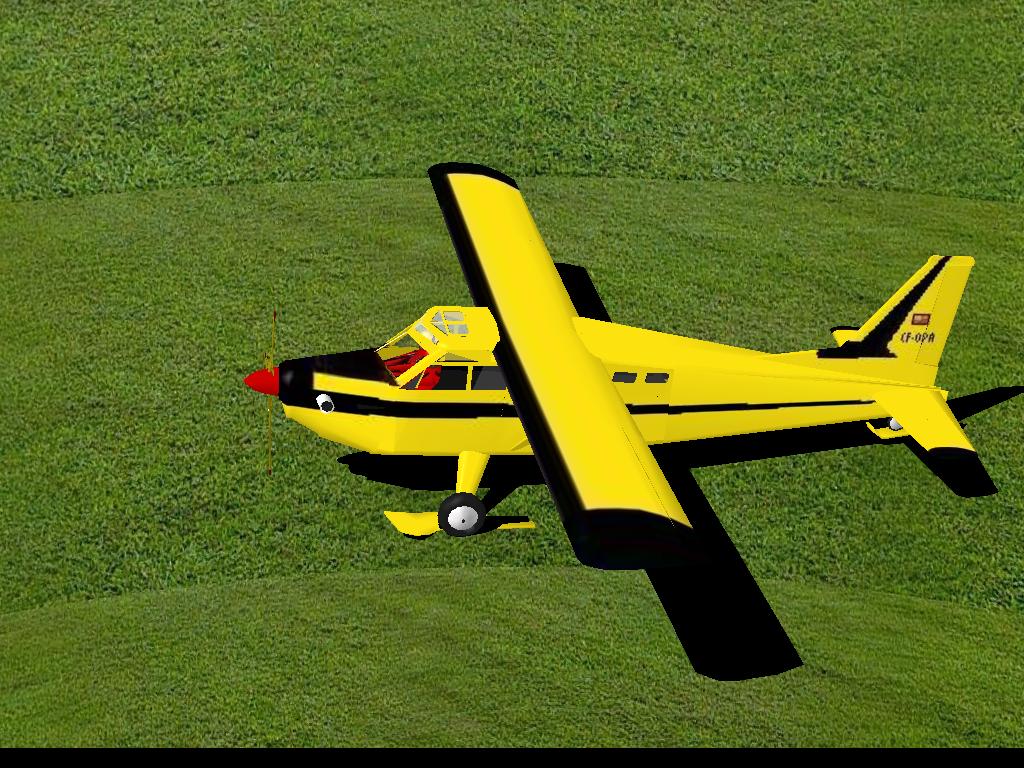
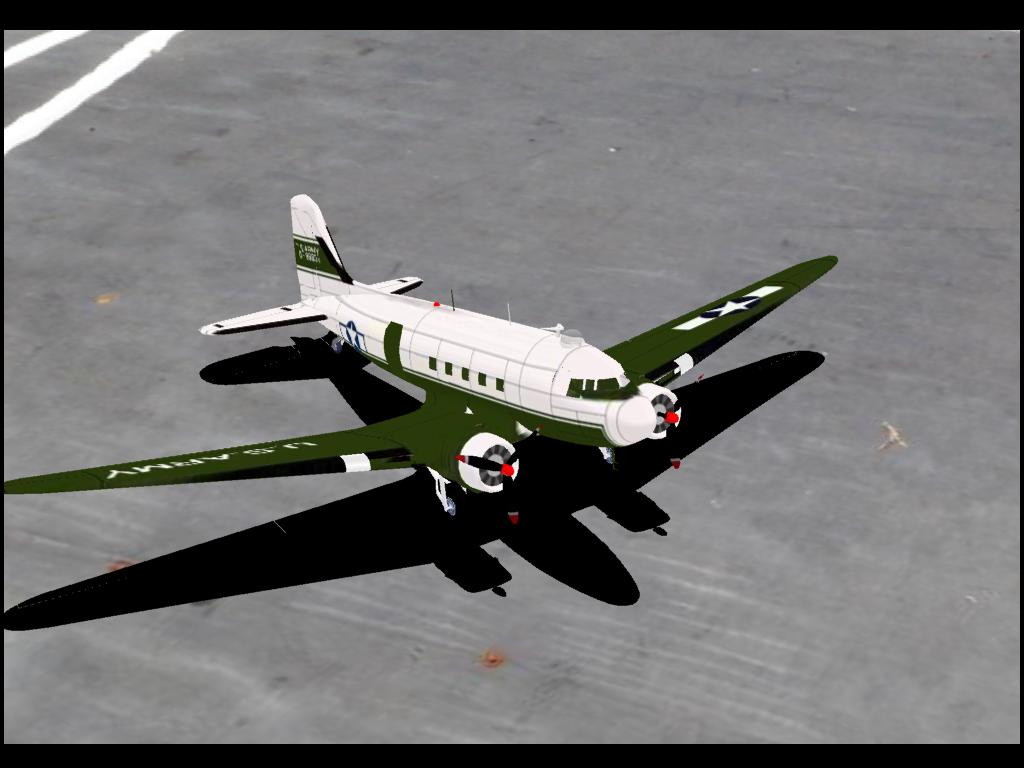
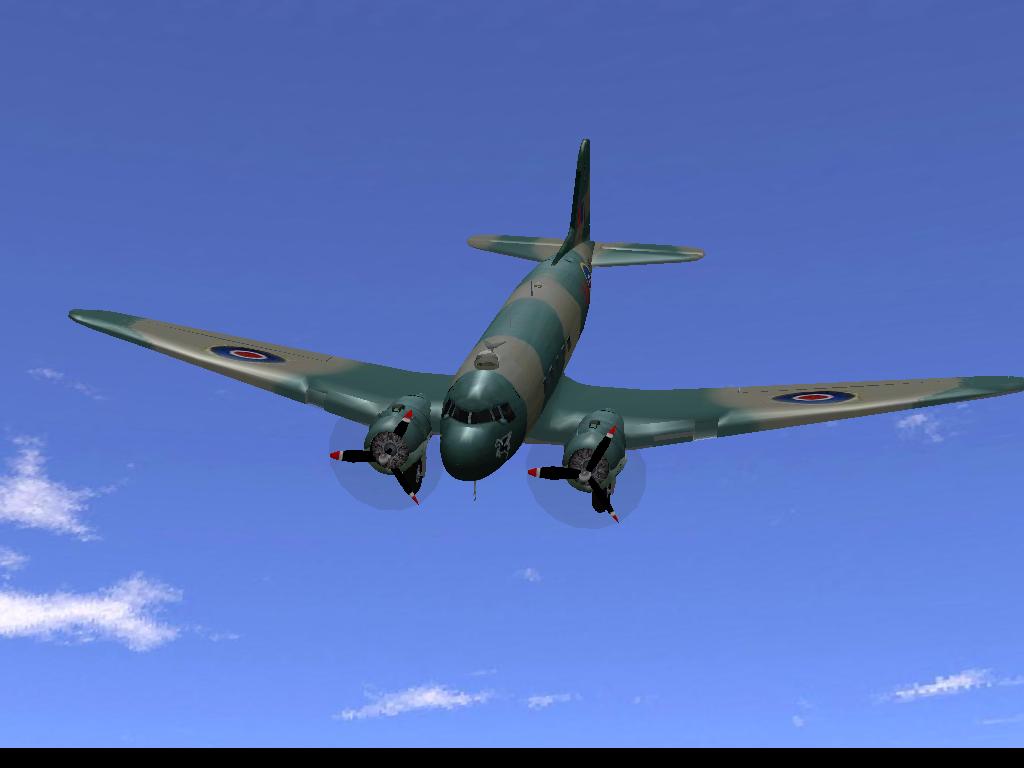
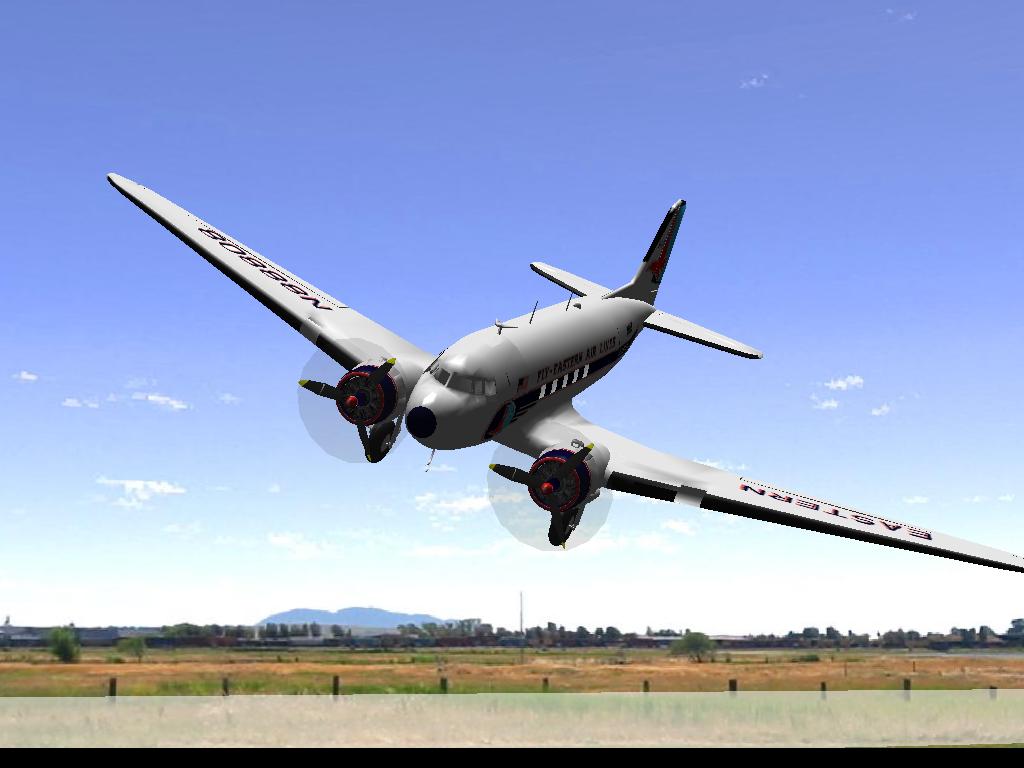
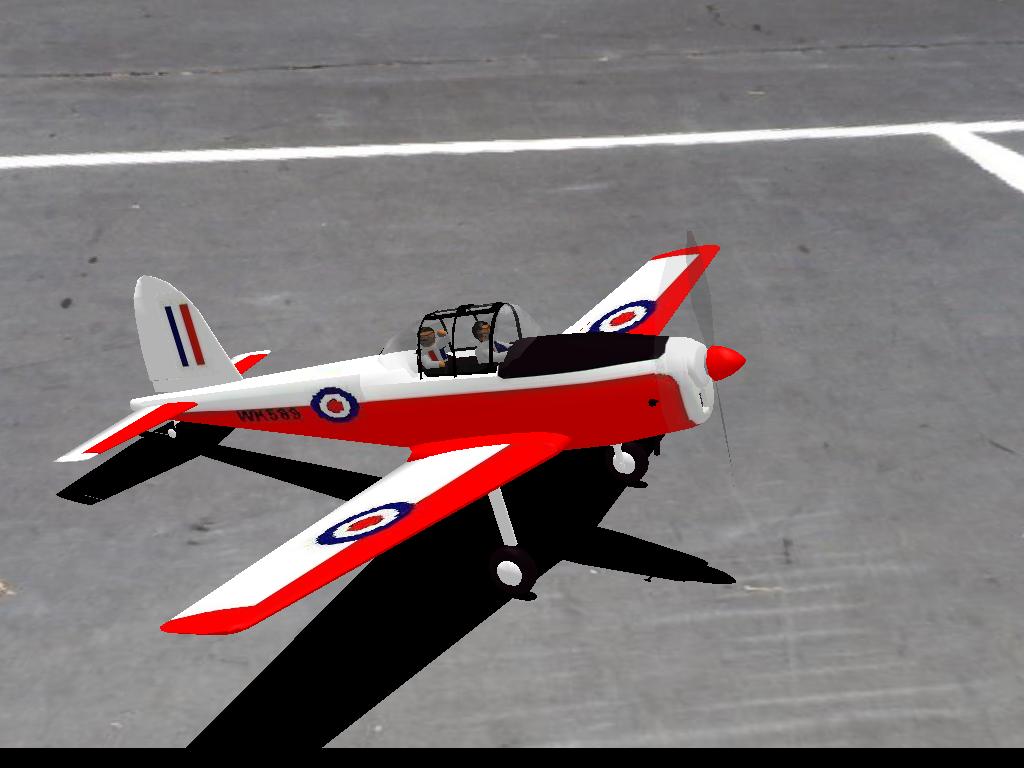
The de Havilland DHC-1 Chipmunk — the British and Commonwealth postwar primary trainer that taught a generation of pilots the basics — captured as a sport-scale RC model.
About
The DHC-1 Chipmunk was the first postwar aviation project from de Havilland Canada and made its maiden flight on May 22, 1946, at Downsview, Toronto, with test pilot Pat Fillingham at the controls. The type was designed by Polish engineer Wsiewołod Jakimiuk, who had emigrated to Canada before the Second World War and brought European design sensibility to the requirement for a Canadian-built primary trainer that would be at home in both Royal Canadian Air Force and Royal Air Force service.
Jakimiuk's design was a clean break from the open-cockpit biplane trainers that had taught wartime cadets — a low-wing cantilever monoplane with an enclosed cockpit under a rear-sliding canopy, taildragger landing gear, and the kind of forgiving handling that suited an ab initio student. The RCAF received 113 Chipmunks for primary training and reserve refresher work, and the RAF eventually operated 735 Chipmunks (designated T.10 in British service), which were built in the United Kingdom by de Havilland's parent company. Total production reached 1,283 airframes between 1946 and 1958: 217 in Canada, 1,000 in the UK, and 66 under license in Portugal.
The Chipmunk continued in active military training service into the 1970s, and many surviving airframes are still flying today as warbird-class trainers and personal aircraft. The unmistakable low-wing Chipmunk silhouette — long, slim fuselage, characteristic tall canopy, taildragger stance — is one of the more recognizable trainer subjects in modern RC scale flying, particularly for European and Commonwealth pilots whose flying heritage is rooted in the type.
In the simulator
A friendly scale subject in the spirit of a real Chipmunk. Predictable handling, gentle stall, and the kind of forgiving low-wing taildragger character that suits an early-aileron pilot. Use it for warbird-style scale flying without the demanding edge of a fighter — pattern circuits, gentle aerobatics, three-point landings. Pairs well with grass-strip landscapes that suit a postwar primary-trainer aesthetic. A natural step in the trainer-to-warbird progression.