DHC-2 Beaver
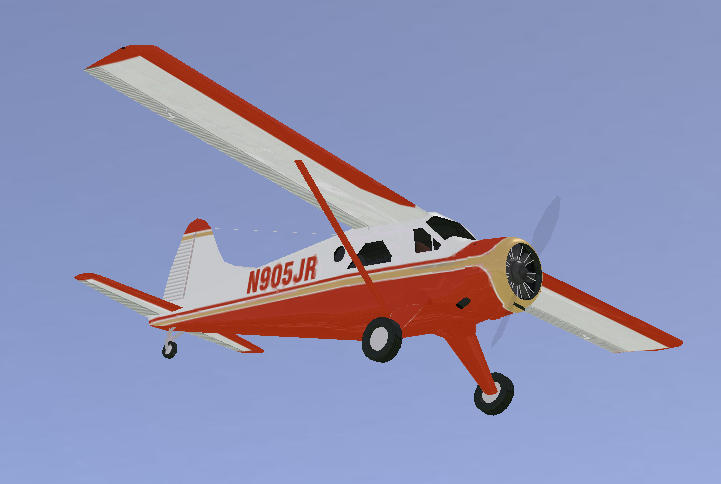
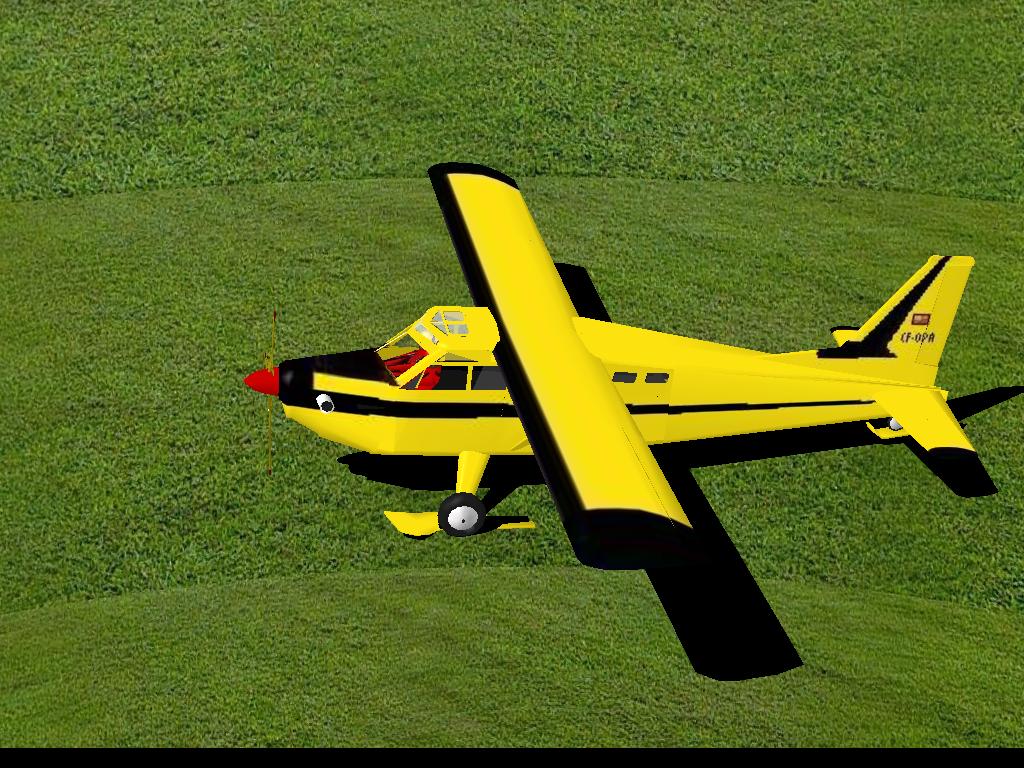
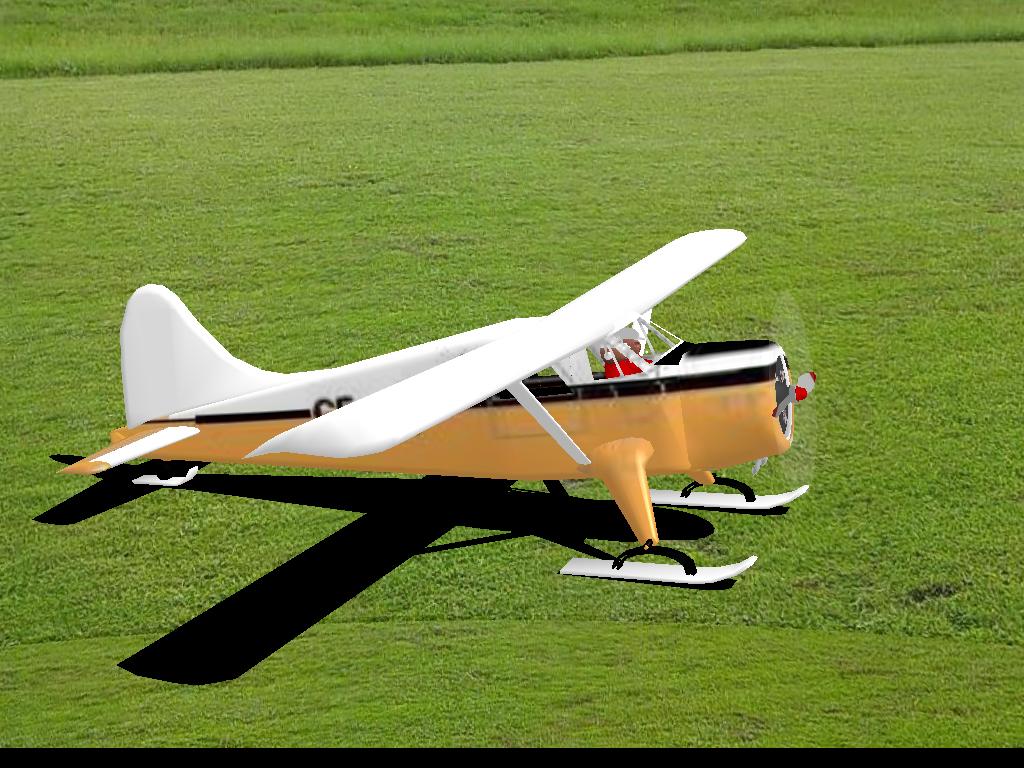
The de Havilland DHC-2 Beaver — the world's first aircraft designed specifically for short-takeoff-and-landing operations — captured as a sport-scale RC bushplane.
About
The DHC-2 Beaver made its maiden flight on August 16, 1947, at Downsview, Ontario, with Second World War flying ace Russell Bannock at the controls. After the war, de Havilland Canada deliberately oriented its postwar production toward civilian operators, and based on extensive feedback from working bush pilots, the company decided that the new aircraft should have excellent STOL performance, all-metal construction, and accommodate every feature working bush operators had been asking for. The result was the world's first aircraft designed specifically for short takeoff and landing — and per de Havilland Canada's animal-naming convention, it was named for the beaver, an animal known for its hard-working nature.
The Beaver became the workhorse of the Canadian and Alaskan bush — operable on wheels, skis, or floats; tough enough for unprepared strips; powerful enough at altitude with its Pratt & Whitney R-985 Wasp Junior radial; and roomy enough to carry the kind of payload bush economics demanded. The first production Beaver was delivered in April 1948 to the Ontario Department of Lands and Forests, and by the time production ended in 1967, a total of 1,657 airframes had been built. Surviving Beavers continue to fly working bush operations today, almost eighty years after the type's first flight.
The unmistakable high-wing radial-engine Beaver silhouette — square-section fuselage, big rectangular wing, generous flap travel, and the option of skis or floats — is one of the most evocative scale-bushplane subjects in modern RC scale flying. The Beaver appears in foam, balsa, and giant-scale gas-powered scale kits across the modern RC market.
In the simulator
A friendly bushplane scale subject. The Beaver in our sim has the slow, stable handling of the real airframe — generous wing area, gentle stall, and the kind of low-speed authority that makes short-field operations teachable. Use it for bushplane-style flying: short takeoffs from rough strips, low-and-slow scenic legs, and the unhurried pattern of a working aircraft. Pairs well with grass strips, lake landscapes, and rural fields. The 25e and Turbo Beaver Electric variants in this same pack share the airframe but differ in power configuration.