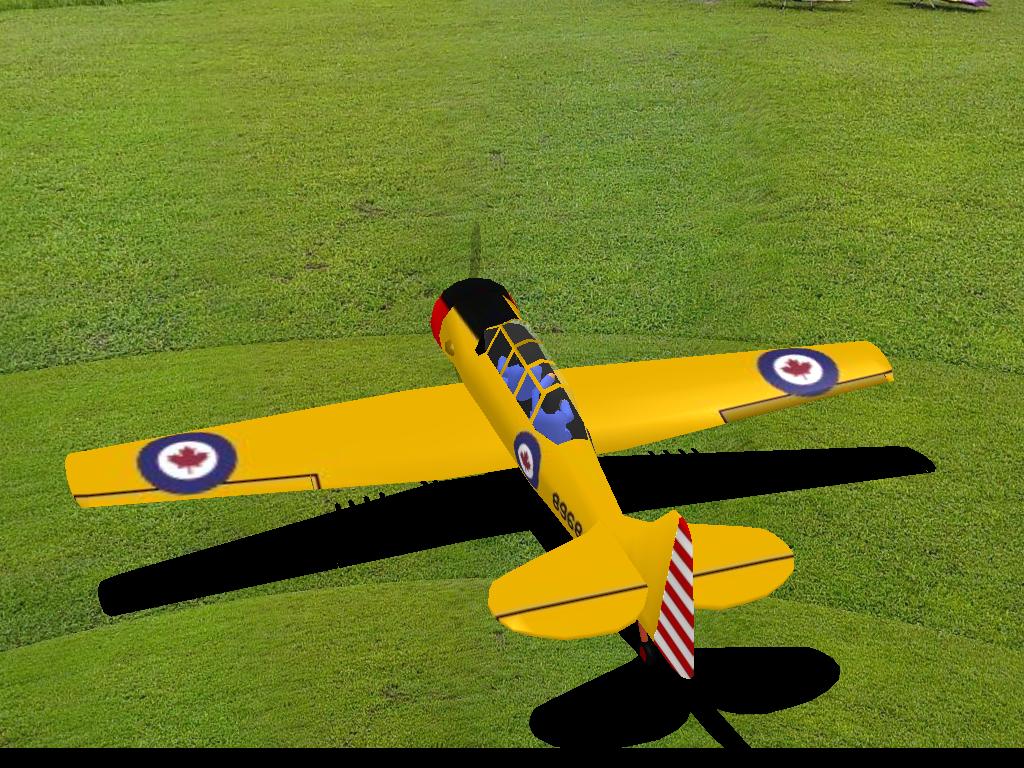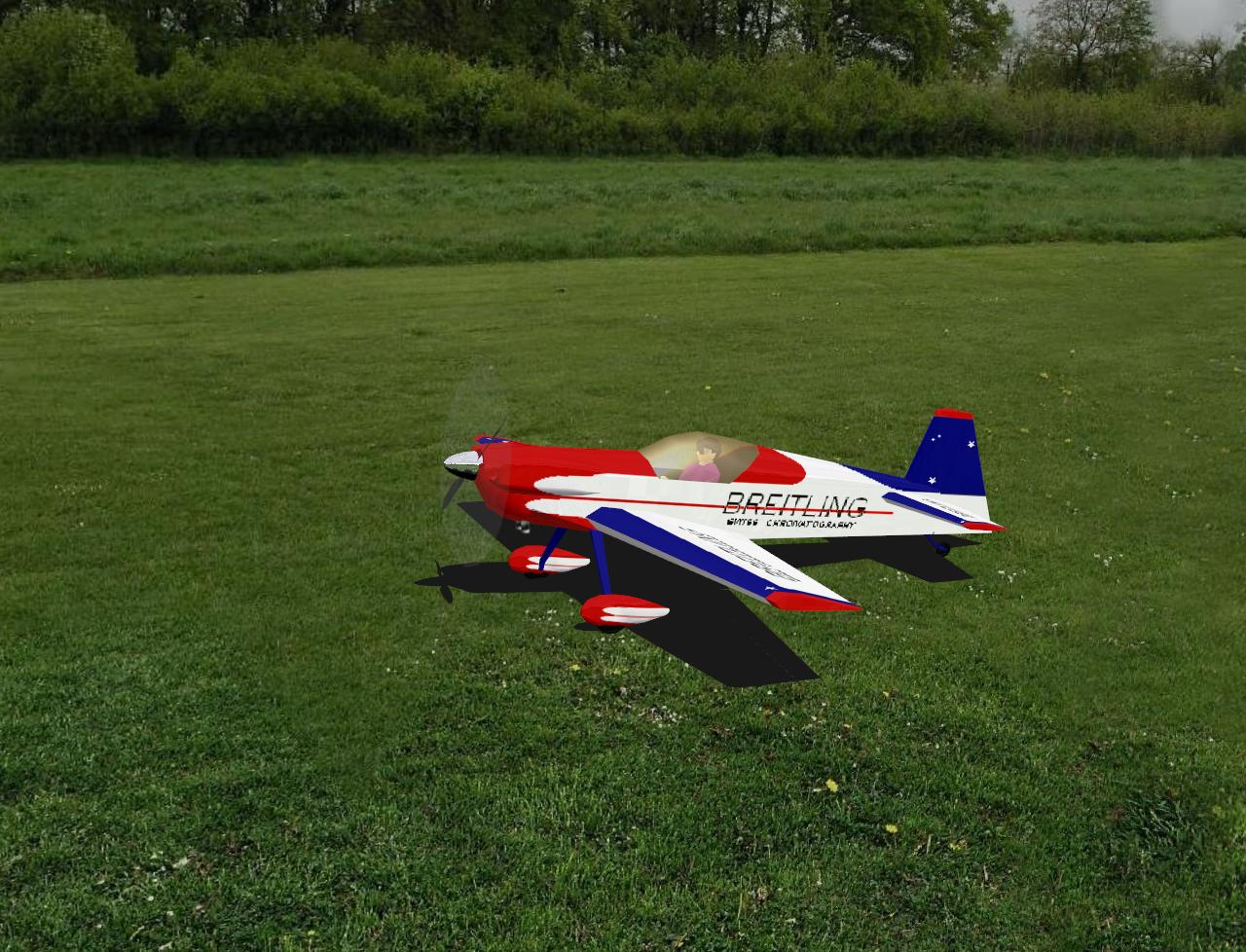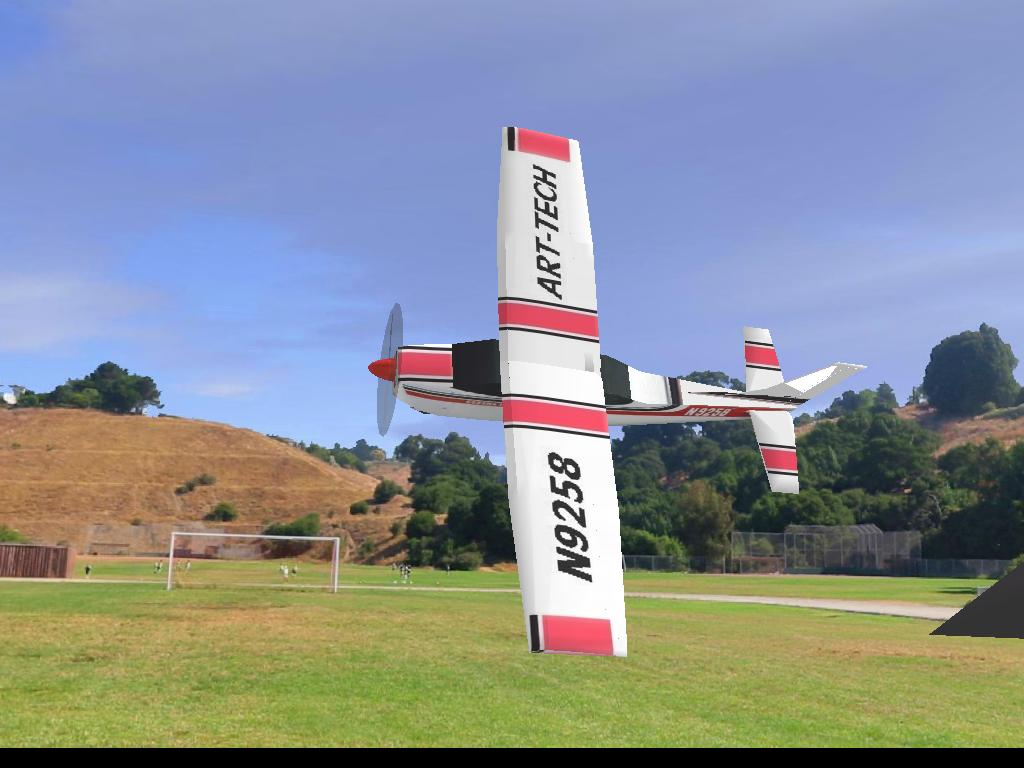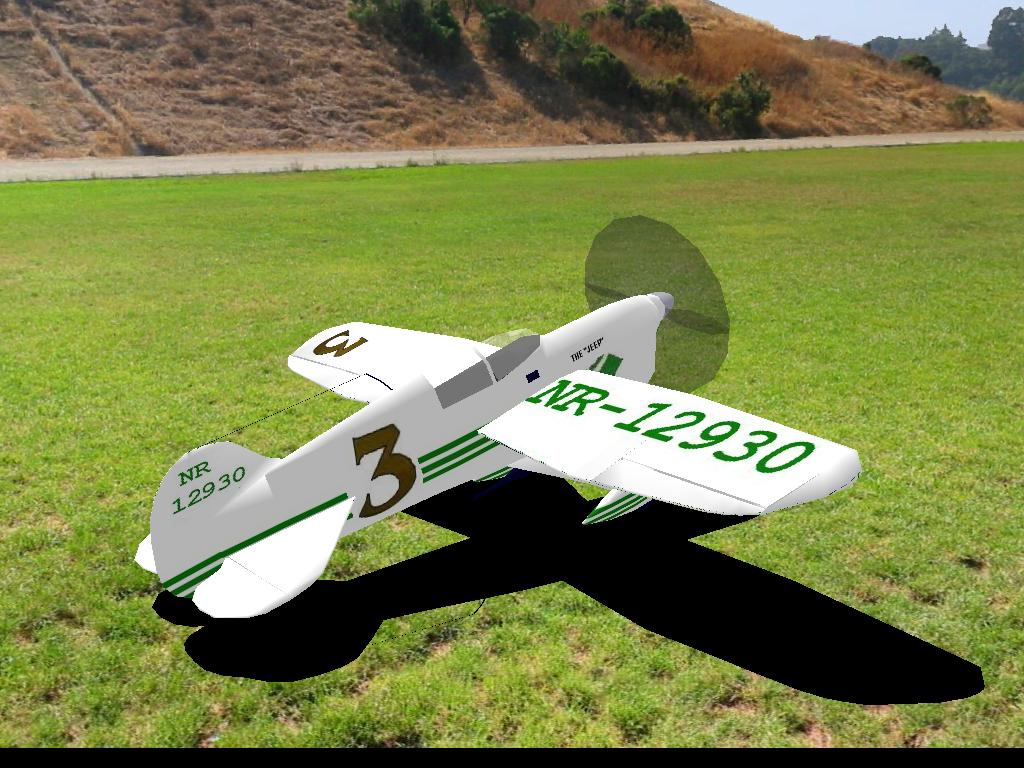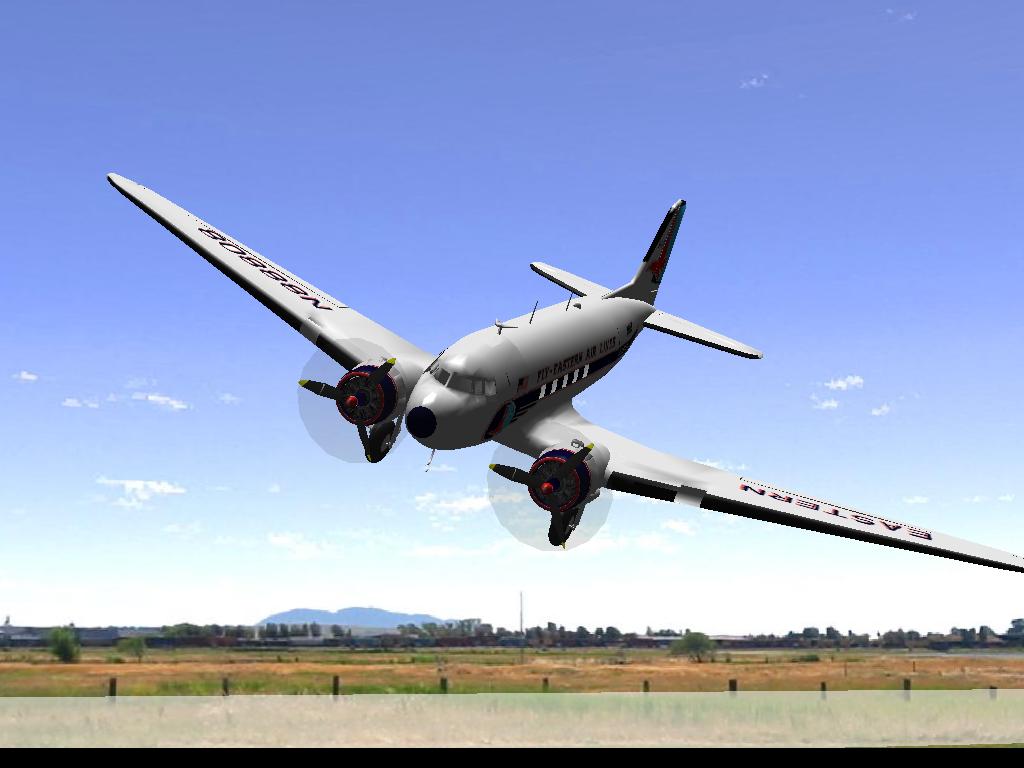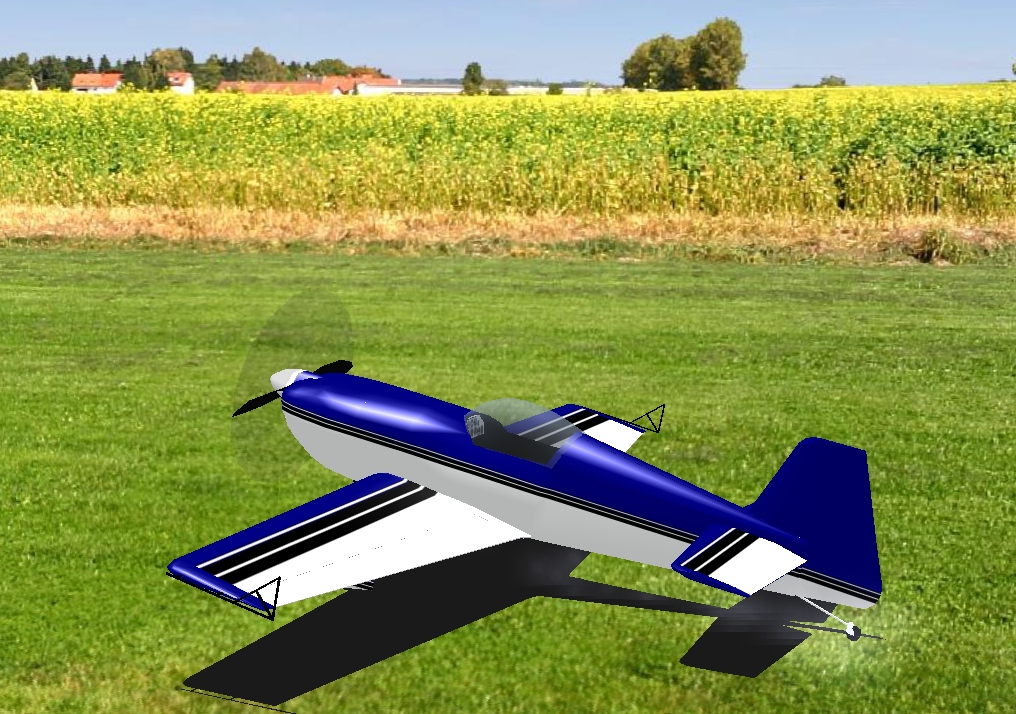
Eflite P-47
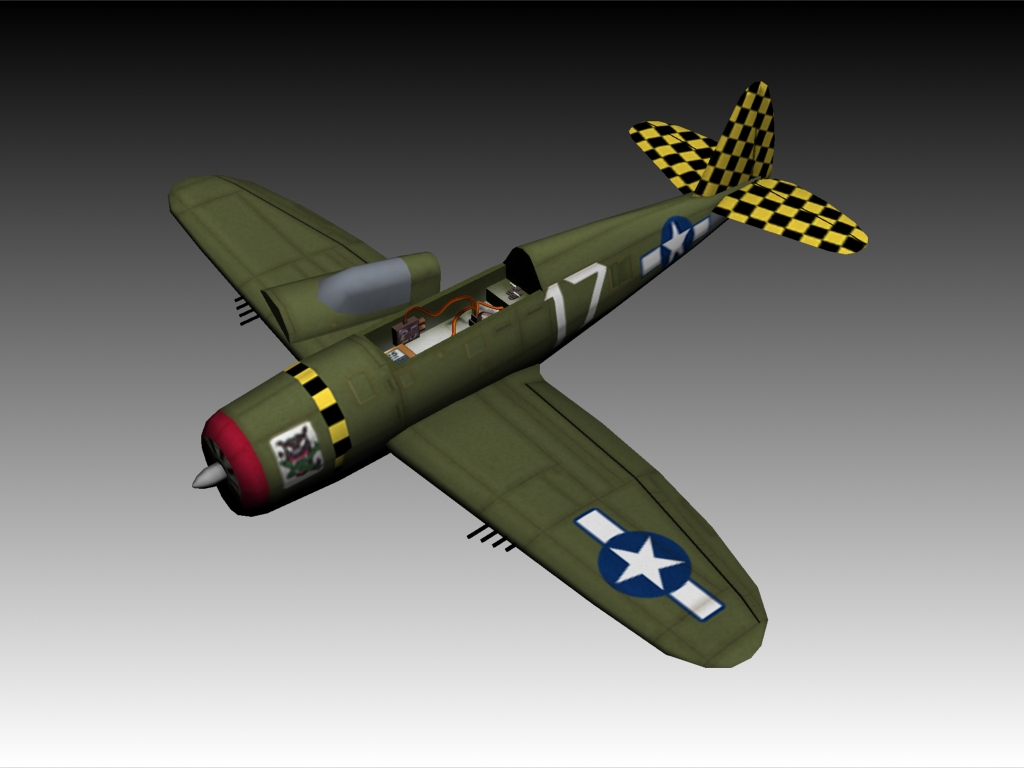
The Republic P-47 Thunderbolt — the rugged WWII fighter known to its pilots as the "Jug" — captured as an E-flite electric foam scale warbird.
About
The Republic P-47 Thunderbolt was designed by Alexander Kartveli, a Georgian-born engineer who had fled the Bolshevik revolution and arrived in the United States via the same emigration route as Republic's founder, Alexander de Seversky. Kartveli's design replaced the earlier Seversky P-35, and the XP-47B prototype made its first flight on May 6, 1941, with Lowry P. Brabham at the controls. The first production P-47s were delivered in December of that year, and by the end of 1942, P-47Cs of the 56th Fighter Group were operating from England as part of the U.S. 8th Air Force.
The P-47 earned the nickname "Jug" early — the profile of the deep, round-cowled fuselage was famously similar to that of a contemporary American milk jug. Pilots had complicated feelings about the type. The Jug was huge for a single-engine fighter (almost double the empty weight of a P-51 Mustang), the cockpit was cavernous, and the airframe could absorb damage that would have killed any contemporary fighter. The Pratt & Whitney R-2800 Double Wasp turbocharged radial gave it tremendous high-altitude performance, and its eight .50-caliber machine guns and ground-attack capability made it the premier USAAF fighter-bomber of the European theater. Republic Aviation produced P-47s from 1941 through 1945, and by VE-Day the Thunderbolt was the most-produced American fighter of the war.
This RC model is an E-flite product — a Horizon Hobby brand specializing in foam electric warbird scale models — and the proportions of countless modern foam P-47 RC kits sold today take their lineage directly from the real Thunderbolt.
In the simulator
A friendly entry into warbird scale flying. The E-flite P-47 has the visual presence of the real Jug — big round cowl, low-wing taildragger stance, the unmistakable Thunderbolt silhouette — with the lighter wing loading and forgiving handling of an electric foam park-flyer. Use it to practice warbird-style scale flying: low passes down a grass strip, gentle wing-overs, and the unhurried pattern circuit a real WWII pilot would recognize. Pairs well with grass-strip and military-airfield landscapes. A natural step into the warbird category alongside the A6-Zero, B-25, and B-26 from CV Planes Pack 1.