Douglas DC-3 Eastern Airlines
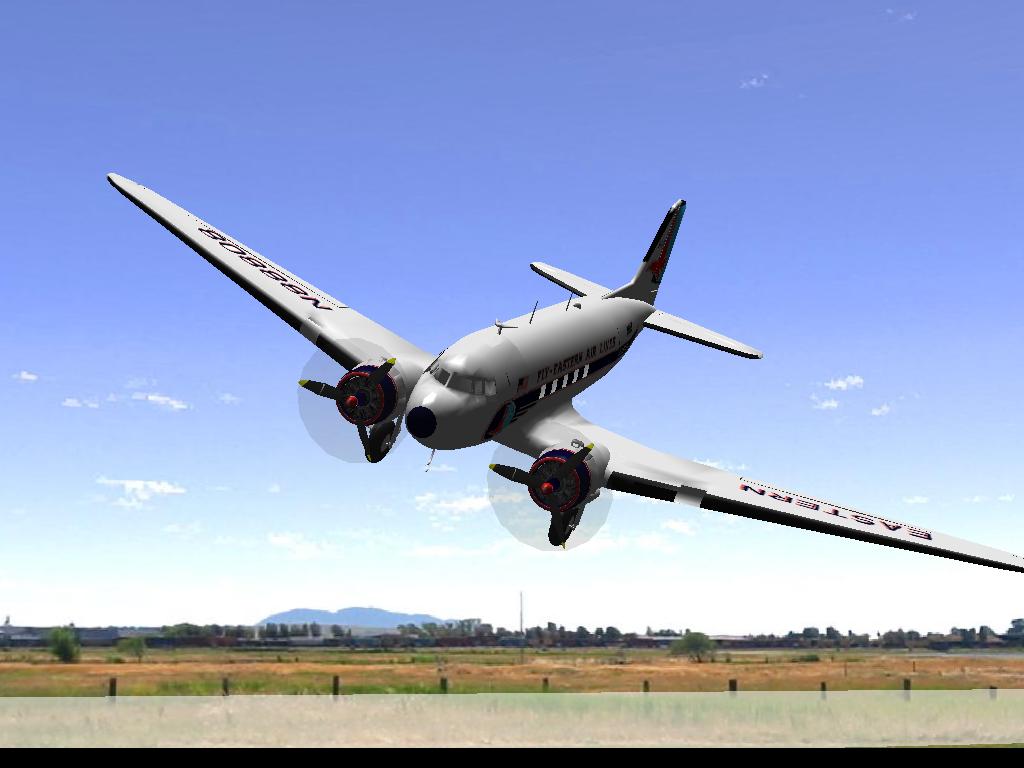
The Douglas DC-3 in Eastern Air Lines livery — the airliner that made commercial aviation profitable for the first time in history — captured as a twin-engine RC scale model.
About
The Douglas DC-3 made its first flight on December 17, 1935, when the prototype Douglas Sleeper Transport (DST) lifted off with Douglas chief test pilot Carl Cover at the controls — exactly thirty-two years to the day after the Wright Brothers' first powered flight at Kitty Hawk. The DC-3 was the result of a marathon late-night phone call from American Airlines CEO C. R. Smith to Donald Douglas, persuading a reluctant Douglas to develop a sleeper version of the existing DC-2 to replace the Curtiss Condor II biplanes American was flying on overnight transcontinental routes. Douglas committed only after Smith pledged a launch order of twenty aircraft.
The result transformed commercial aviation. The DC-3 was the first airliner that could profitably carry only passengers without relying on the airmail subsidies that had kept the previous generation of airline operators financially afloat. By 1939, around 90% of all airline flights on the planet were operated by a DC-3 or one of its derivatives — an extraordinary market dominance that made the type the clear inflection point between the Pioneer Era and the Mass Era of commercial aviation. Eastern Air Lines was one of the early major DC-3 operators, and the type's distinctive Eastern livery — silver fuselage with the carrier's corporate striping — is part of the visual record of mid-twentieth-century American airline aviation.
The DC-3 continues to fly active commercial and military missions in 2025, ninety years after the type's first flight, although the active fleet is dwindling due to expensive maintenance and a shrinking spare-parts supply. The unmistakable twin-radial DC-3 silhouette is one of the most-modeled civilian airliner subjects in modern RC scale flying.
In the simulator
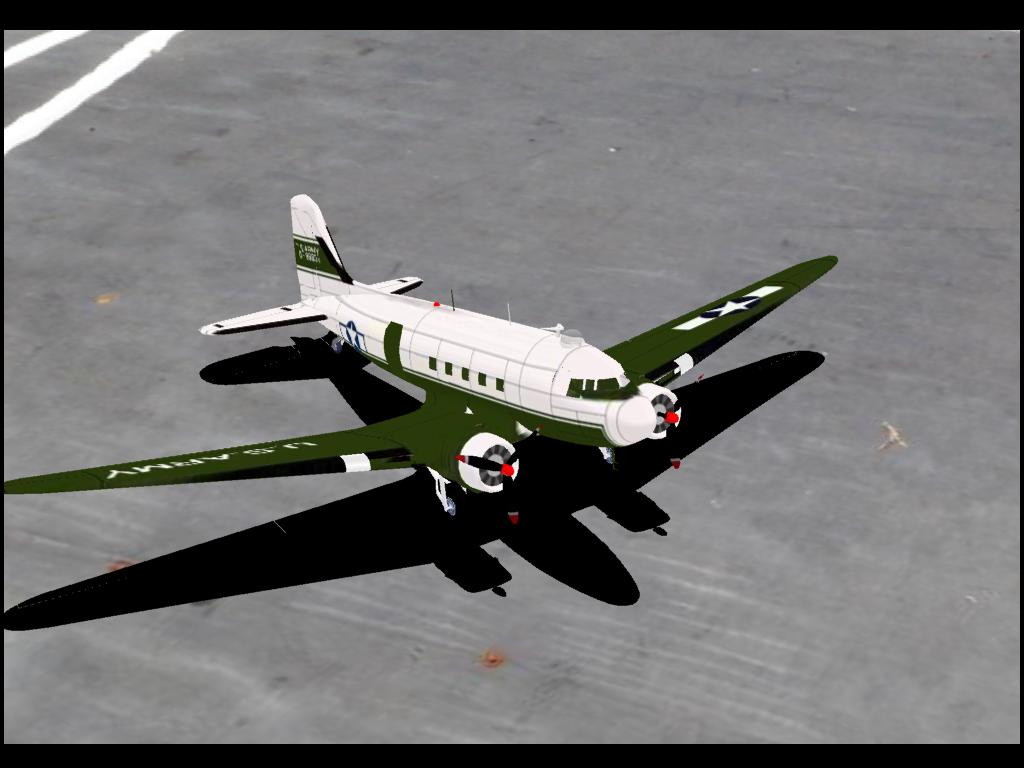
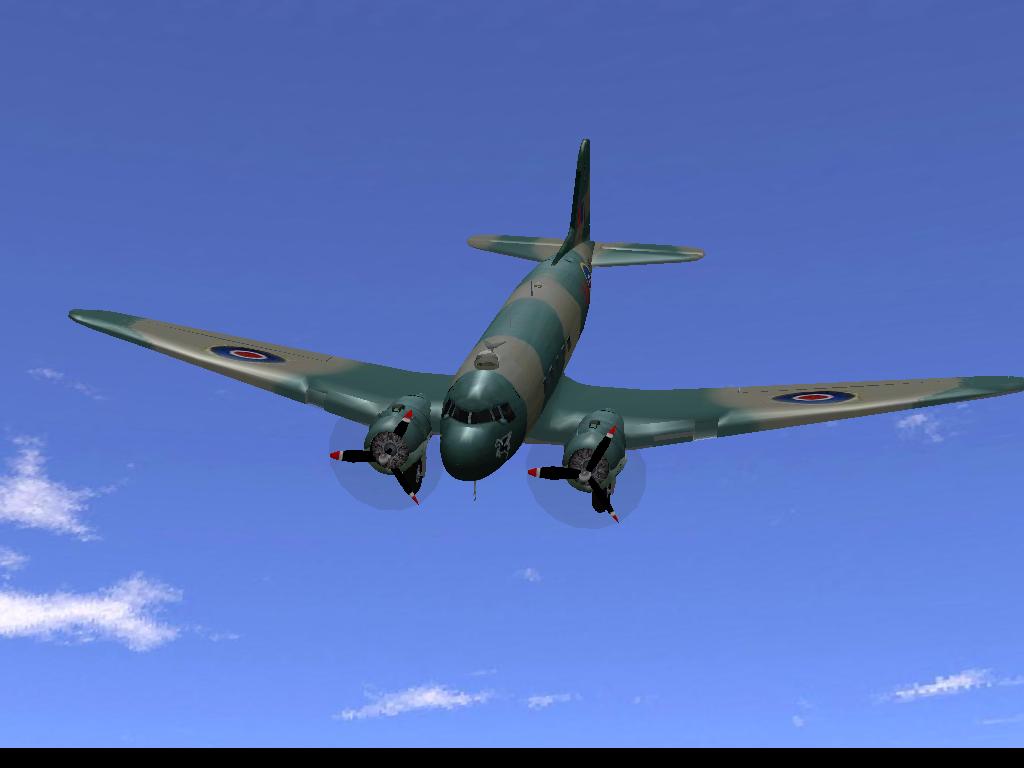
A demanding twin-engine scale subject in commercial-airline livery rather than military camouflage. The DC-3 in our sim flies with the same substantial inertia and deliberate handling as the C-47 military variants in this pack — twin-engine throttle coordination, asymmetric-thrust awareness, and the kind of pattern flying that suits a heavy-twin transport. Use it for civilian-airline-style scale flying with the unhurried character of pre-jet-age commercial aviation. Pairs well with airport-class landscapes. A natural sibling to the Douglas C-47 Army and Douglas C-47 Dakota in this same pack.