X-35B
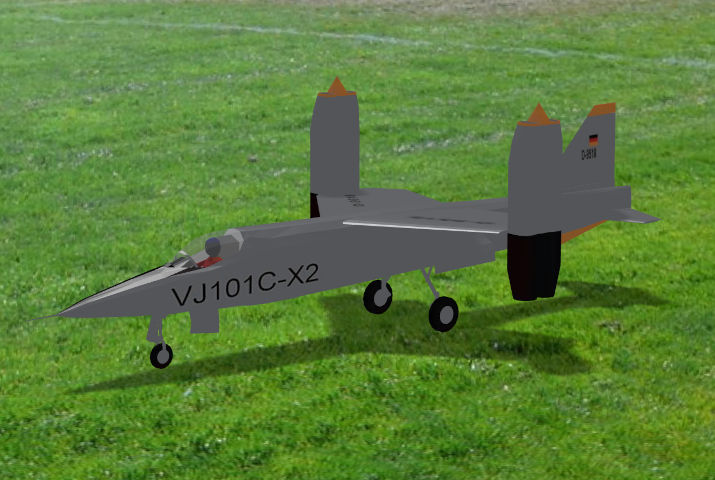
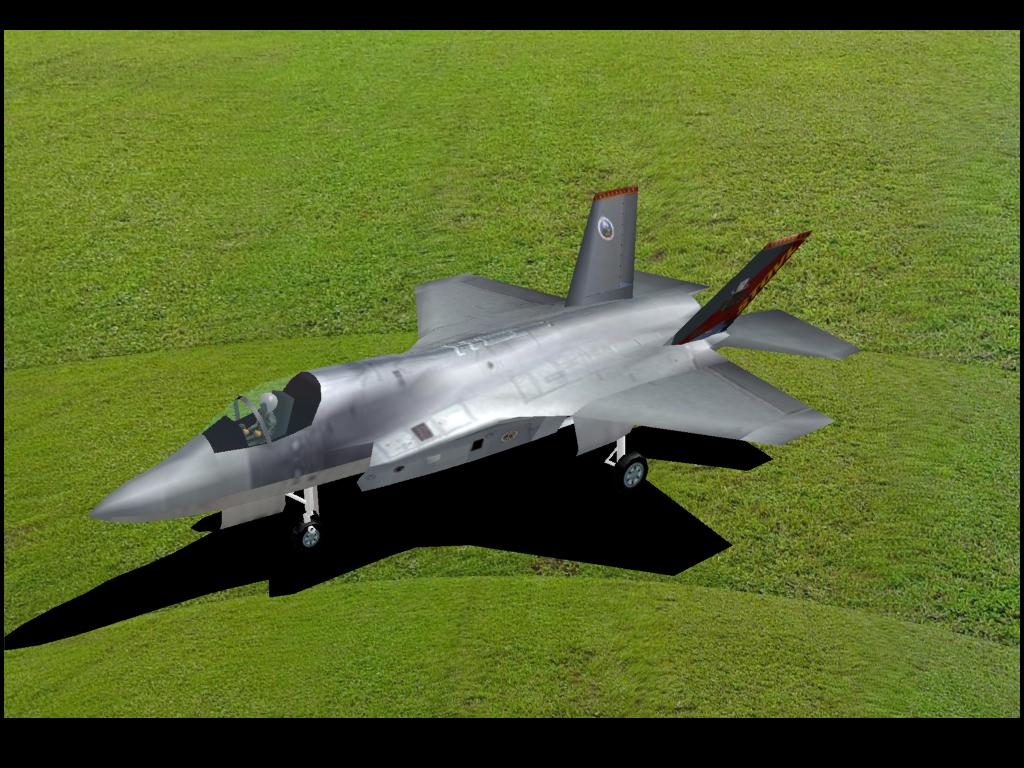
The Lockheed Martin X-35B — the STOVL prototype that won the Joint Strike Fighter competition and became the F-35B — captured as an RC EDF scale model.
About
The Lockheed Martin X-35B is one of two competing demonstrator aircraft from the Joint Strike Fighter (JSF) program of the late 1990s and early 2000s, the U.S. Department of Defense effort to develop a single multirole stealth fighter to replace multiple aging types across the U.S. Air Force, Navy, Marine Corps, and allied air forces. Lockheed Martin's X-35 family competed against Boeing's X-32, with both designs flying prototypes through 2001.
The X-35B was the short-takeoff-and-vertical-landing (STOVL) variant — the version designed to demonstrate the LiftFan vertical-lift system that would let a U.S. Marine Corps and Royal Air Force version replace the AV-8B Harrier II in the close-support role. The X-35B made its first flight in 2000, and on July 20, 2001, it became the first aircraft in history to perform a vertical takeoff, supersonic dash, and vertical landing in a single flight — a sortie nicknamed "Mission X" that demonstrated the unique capability of the LiftFan-driven STOVL configuration. Lockheed's design won the JSF competition over Boeing's X-32 in October 2001, and the X-35 evolved into the production F-35 Lightning II family.
The unmistakable X-35 / F-35 silhouette — single-engine, faceted stealth profile, side-mounted intakes, twin tails — is one of the most-modeled modern military jet subjects in RC EDF scale flying. The F-35B variant entered Marine Corps operational service in 2015.
In the simulator
A modern stealth-fighter scale subject. The X-35B in our sim flies as a conventional EDF jet (the simulator does not model the STOVL transition), capturing the visual aesthetic of the world's first operational fifth-generation STOVL fighter. Use it for jet pattern flying with contemporary military-aviation visual signature.