VJ-101 VTOL
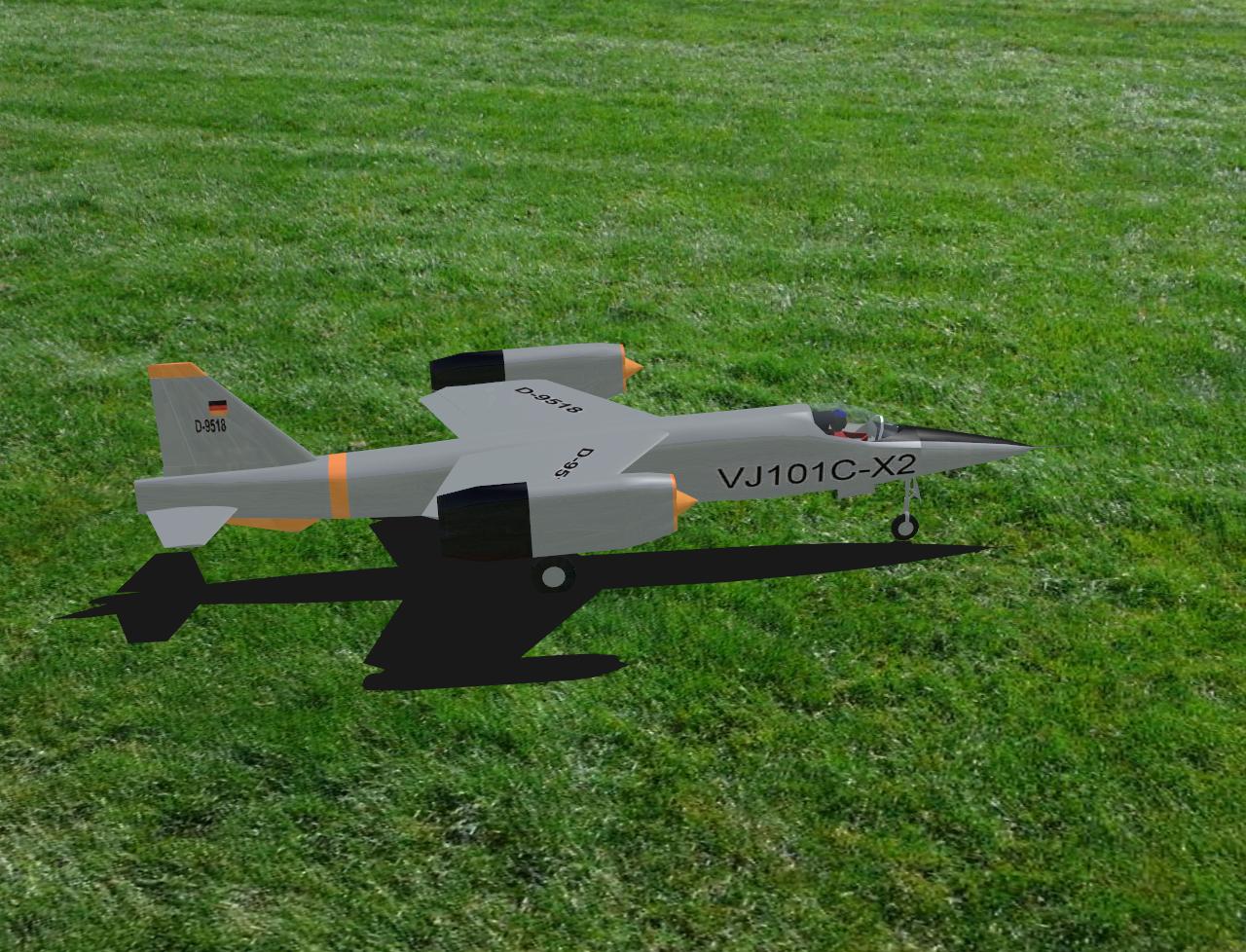
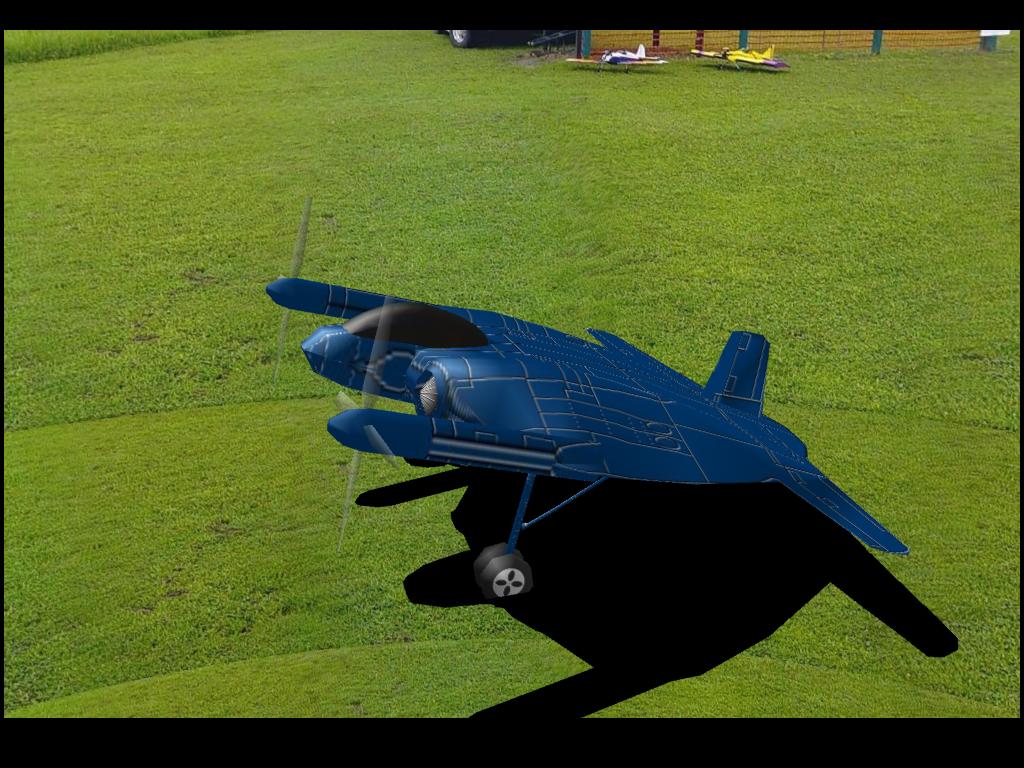
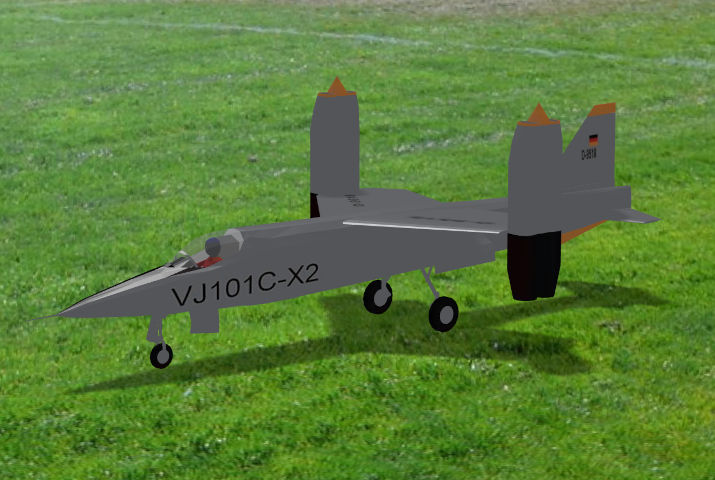
The EWR VJ 101 in VTOL configuration — West Germany's tiltjet supersonic prototype, captured as an RC EDF scale model.
About
The EWR VJ 101 was an experimental West German VTOL tiltjet aircraft developed in the early 1960s by the joint-venture company EWR (Entwicklungsring Süd). The VJ 101 C made its first flight on April 10, 1963, and on July 29, 1964 became the first vertical-takeoff aircraft and the first German aircraft to break the sound barrier (Mach 1.08). The program produced two prototypes — the first lost in a 1964 crash, the second preserved today at the Flugwerft Schleissheim museum.
The VJ 101's defining feature was the tiltjet configuration: swivelling engine nacelles mounted at the wingtips that pivoted from vertical (for hover) to horizontal (for cruise), supplemented by additional fuselage-mounted lift engines for VTOL operation. This separated the lift and propulsion functions in a way that anticipated later VTOL programs but added complexity that ultimately proved prohibitive for production.
This "VTOL" variant of the model represents the same airframe as the standard VJ-101 in this pack, with the same rare-experimental-VTOL visual signature. The unmistakable VJ 101 silhouette — twin tilting wingtip-mounted engine nacelles on a slim swept-wing fuselage — is one of the most unusual experimental VTOL scale subjects in modern RC modeling.
In the simulator
A unique experimental jet scale subject. The VJ 101 in our sim flies as a conventional aircraft (since the simulator does not model the VTOL transition), capturing the aesthetic of one of the most unusual VTOL prototypes of the Cold War era. A natural sibling of the standard VJ-101 in this same pack and the Lockheed XFV-1.