Lockheed XFV-1
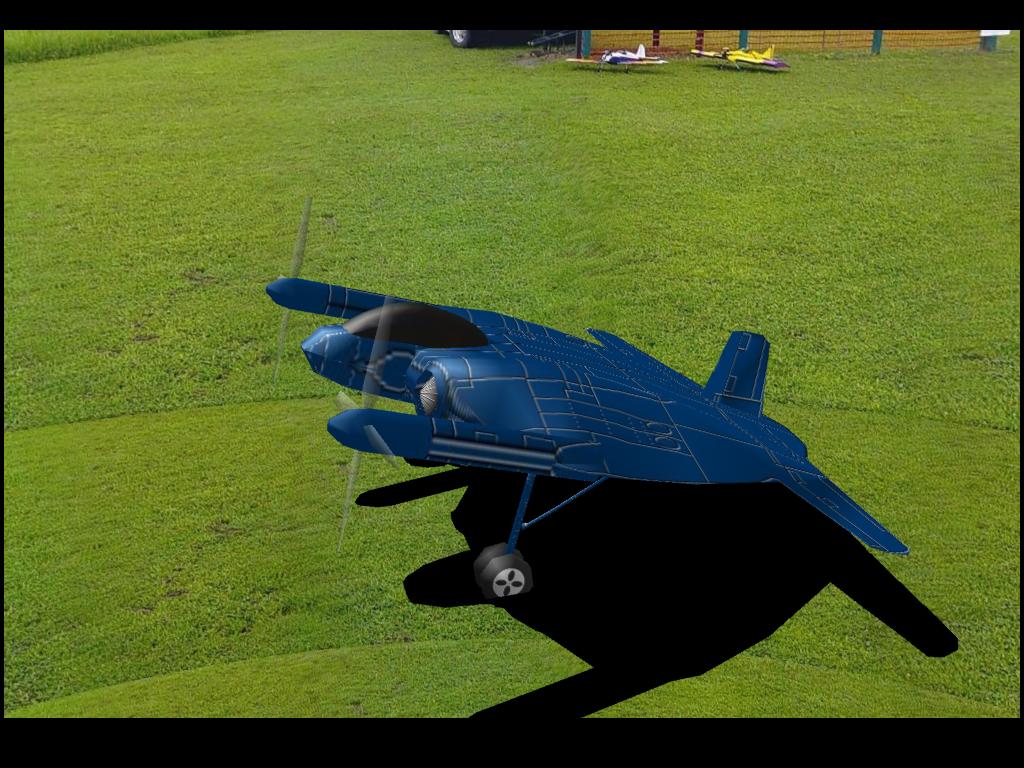
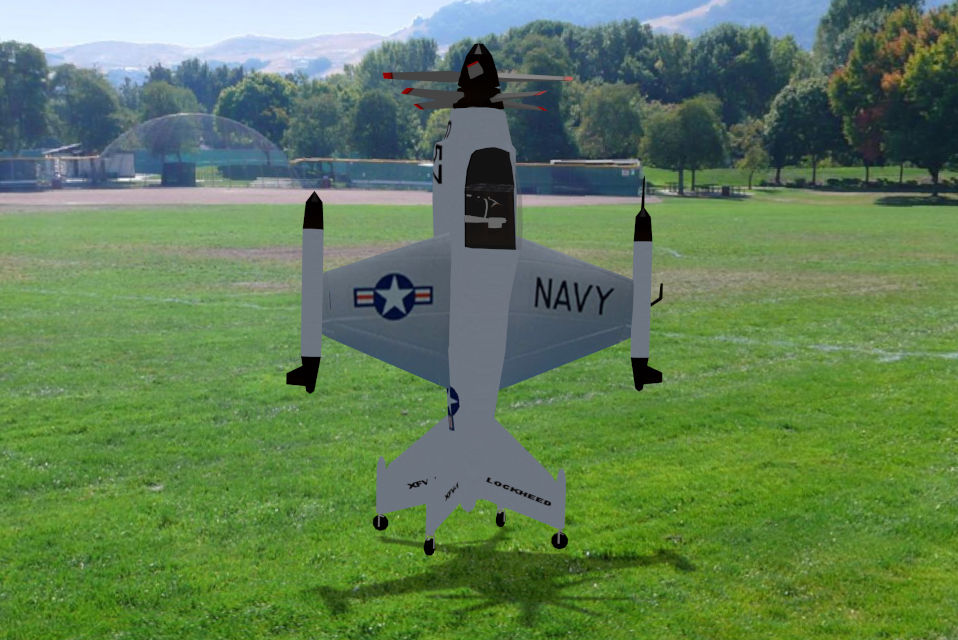
The Lockheed XFV-1 "Salmon" — the experimental 1950s tailsitter VTOL fighter prototype — captured as a sport-scale RC model.
About
The Lockheed XFV-1 (sometimes called the "Salmon" after Lockheed chief test pilot Herman "Fish" Salmon, who flew it) was an American experimental tailsitter VTOL aircraft built to demonstrate vertical takeoff and landing for U.S. Navy convoy escort. The program originated in a 1948 Navy proposal for an aircraft capable of vertical takeoff from platforms mounted on the afterdecks of conventional ships. By 1950 the requirement had evolved into a research aircraft capable of becoming a VTOL ship-based convoy-escort fighter. Lockheed and Convair both received contracts; Lockheed's XFV-1 prototype was ordered on April 19, 1951.
The XFV-1's first official flight took place on June 16, 1954, with Salmon at the controls. An earlier brief unintentional hop occurred on December 22, 1953, when Salmon taxied past the liftoff speed during ground testing. After the official first flight, the aircraft made a total of 32 flights — but none of them involved actual vertical takeoffs or landings. Full VTOL testing was delayed pending the availability of the 7,100-shp Allison T54 engine, which never materialized. The XFV-1 was underpowered, slower than existing Navy fighters, and required complex pilot training to manage the transition between vertical hover and conventional flight; the project was cancelled in June 1955.
The Convair XFY-1 "Pogo" pursued the same VTOL tailsitter concept in parallel and reached actual vertical takeoff and landing flight tests, but neither program reached production. The sole flown XFV-1 survives today on display at the Sun 'n Fun Museum in Lakeland, Florida.
The unmistakable XFV-1 silhouette — a slim-fuselage propeller fighter standing vertically on its tail with cruciform tail-mounted landing gear — is one of the most unusual experimental scale subjects in modern RC modeling.
In the simulator
A unique experimental scale subject. The XFV-1 in our sim flies as a conventional aircraft (since the simulator does not model the VTOL transition), capturing the aesthetic of one of the strangest tailsitter prototypes ever built. Use it for sport-scale flying with experimental-aviation visual signature. A natural sibling of the VJ-101 series in this same pack — two VTOL-experimental subjects from very different national programs.