RN Buccaneer
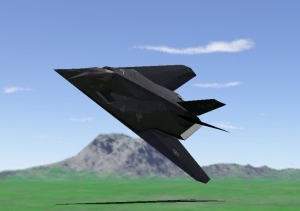
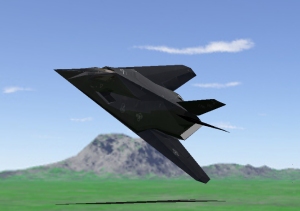
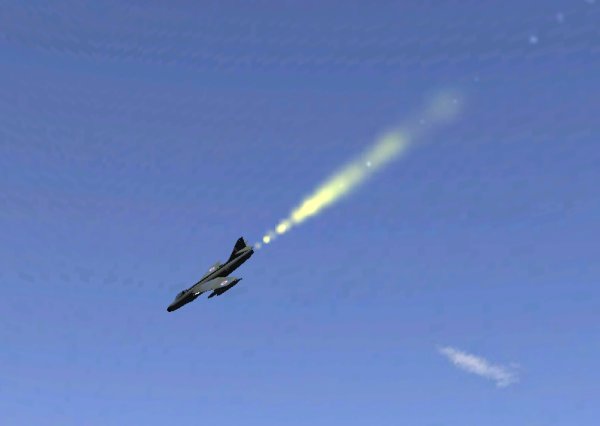
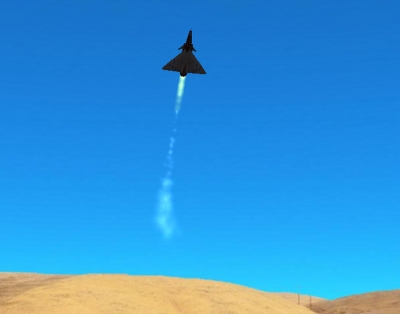
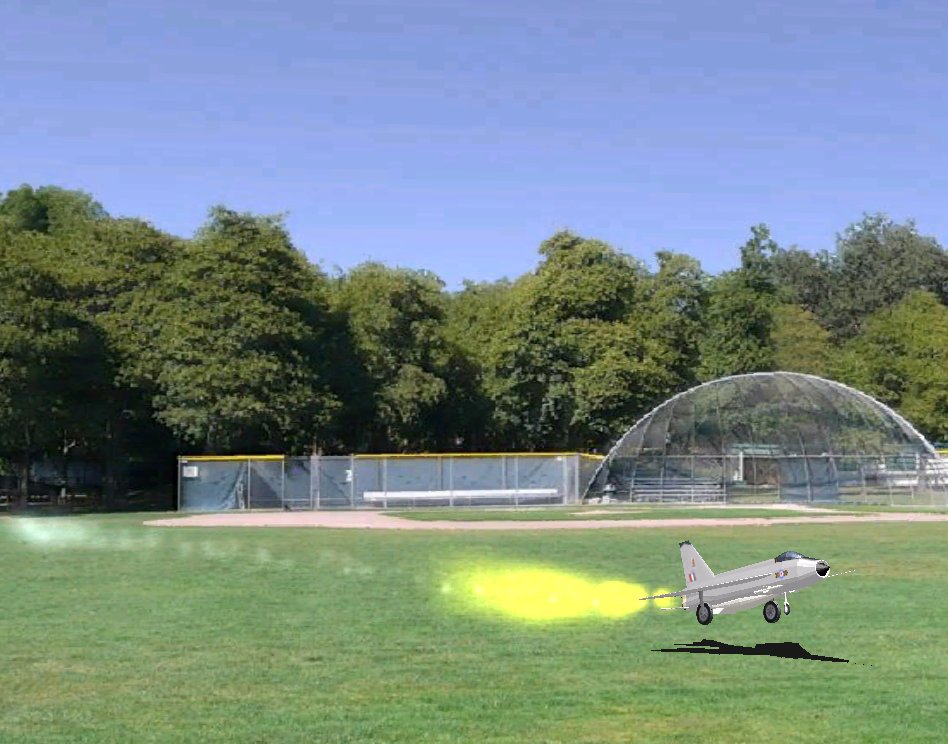
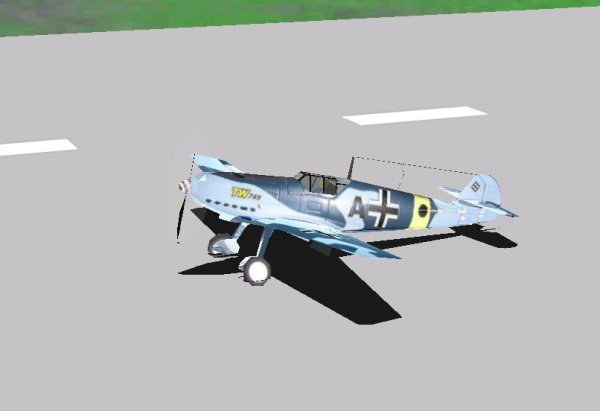
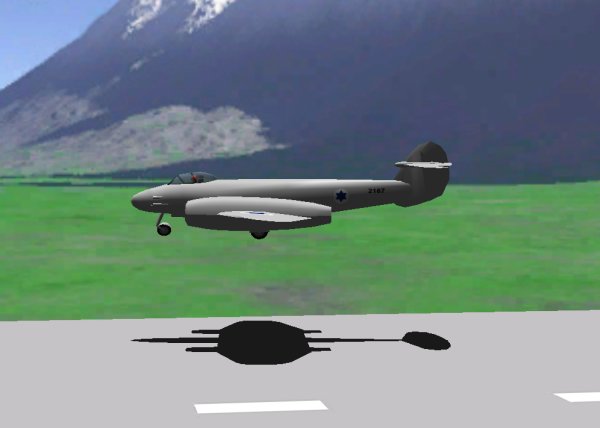
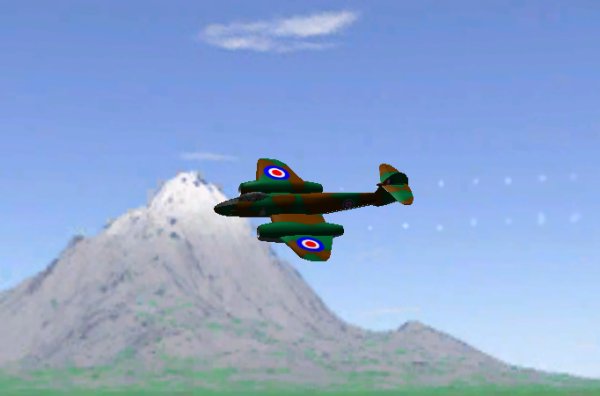
The Blackburn Buccaneer — the British low-level strike jet that flew Royal Navy and RAF maritime and tactical missions for thirty years — captured as an RC EDF scale model.
About
The Blackburn Buccaneer (later Hawker Siddeley Buccaneer after company mergers) is the work of Blackburn Aircraft, designed under chief engineer B. P. Laight to a 1953 Royal Navy requirement (NA.39) for a high-speed low-level carrier-based strike aircraft to deliver nuclear weapons against the Soviet fleet. The prototype made its first flight on April 30, 1958, and the type entered Royal Navy service in 1962. After the Royal Navy retired its strike carrier fleet in the 1970s, surviving Buccaneers transferred to the RAF, where they served in the maritime strike and tactical roles into the early 1990s.
The Buccaneer's defining capabilities were low-level flight and the integrated weapons system. The airframe was specifically designed for terrain-following high-speed attack runs — its rotating bomb-bay door, area-ruled fuselage, and stress-relieving high-tail configuration all reflected the demanding low-level mission. The type performed creditably in the 1991 Gulf War, where Buccaneer crews provided laser designation for Tornado strike jets attacking Iraqi targets, before retiring in 1994.
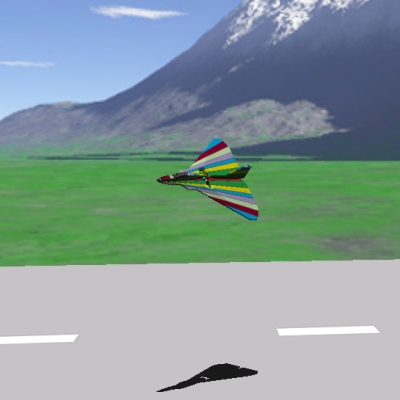
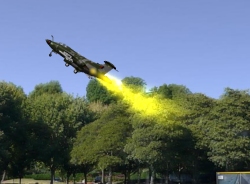
The unmistakable Buccaneer silhouette — area-ruled fuselage, high tailplane, twin engines deeply faired into the wing roots — is a distinctive British military jet subject in modern RC EDF scale flying.
In the simulator
A demanding low-level strike-jet scale subject. Use it for jet pattern flying with the visual signature of one of the most distinctive British Cold War combat aircraft.