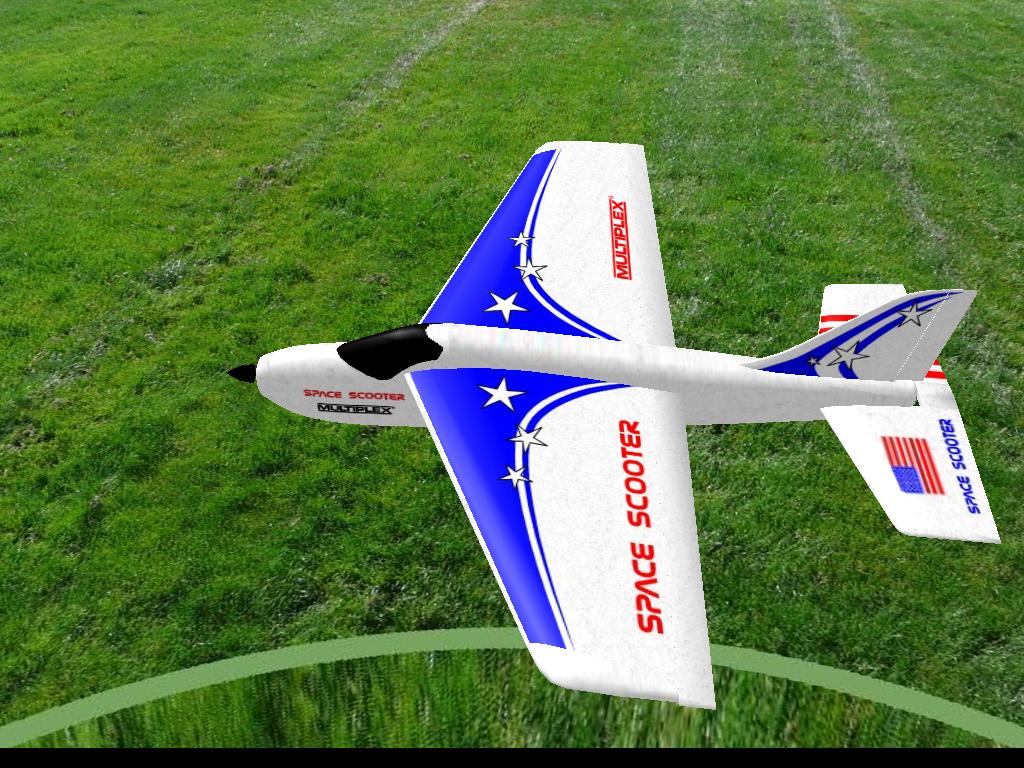
Twist 3D 40
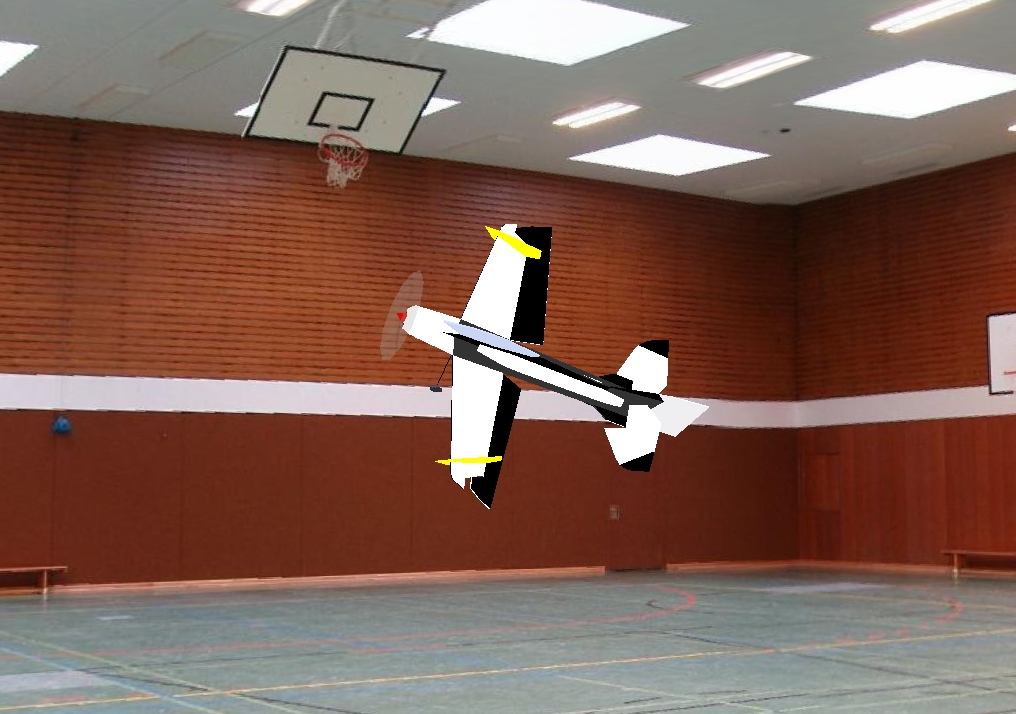
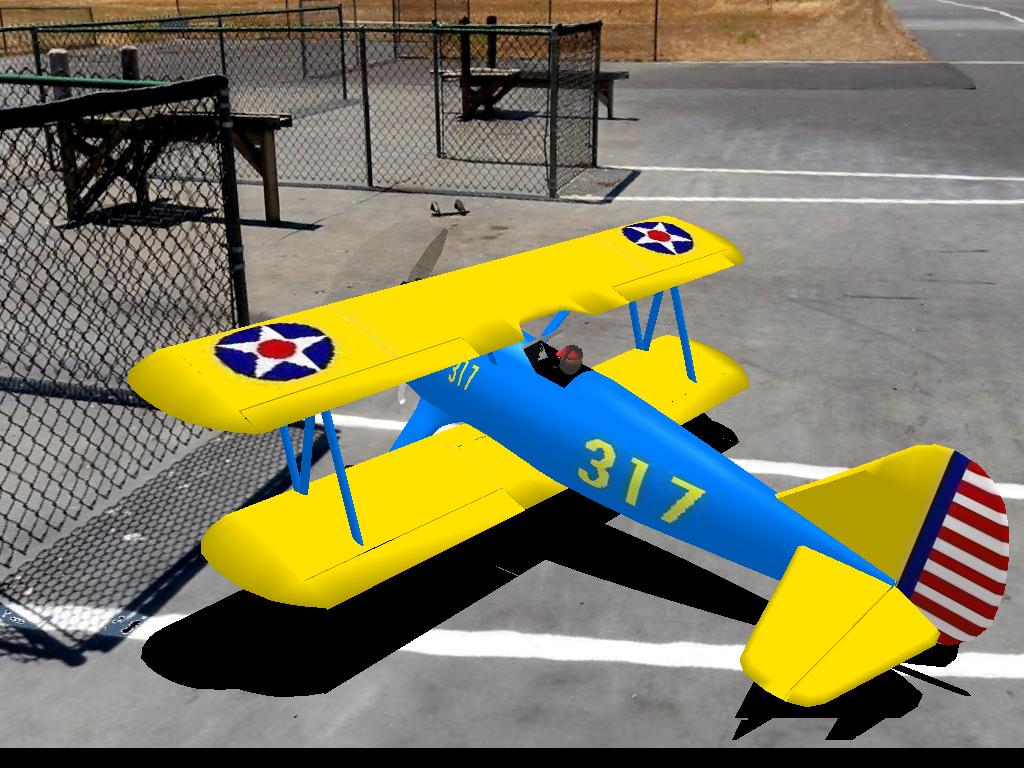
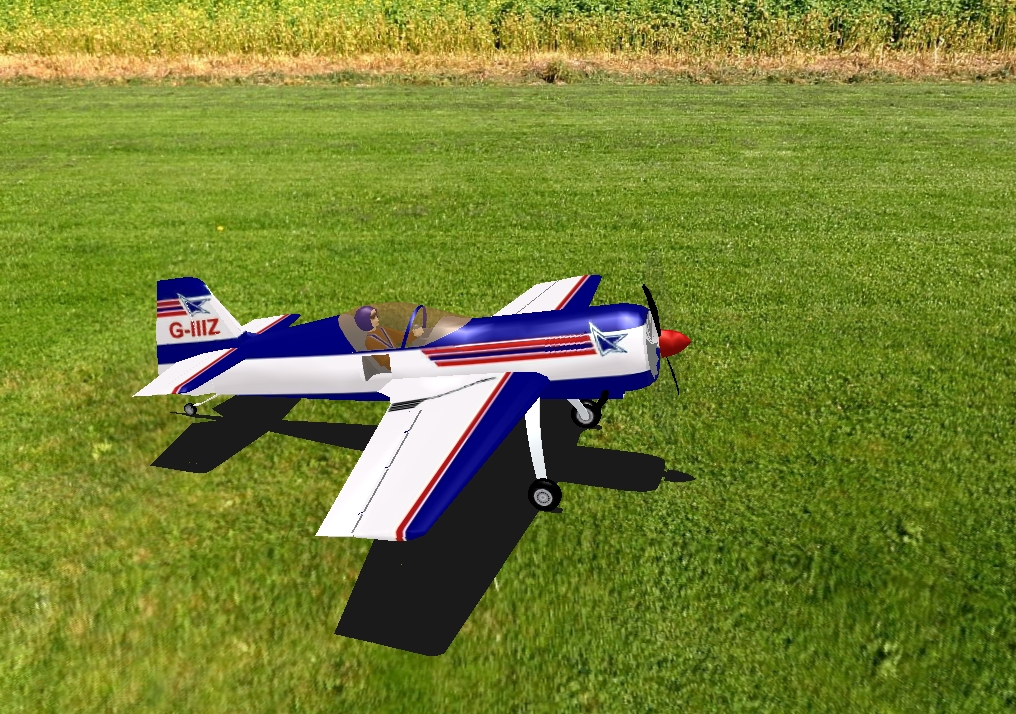
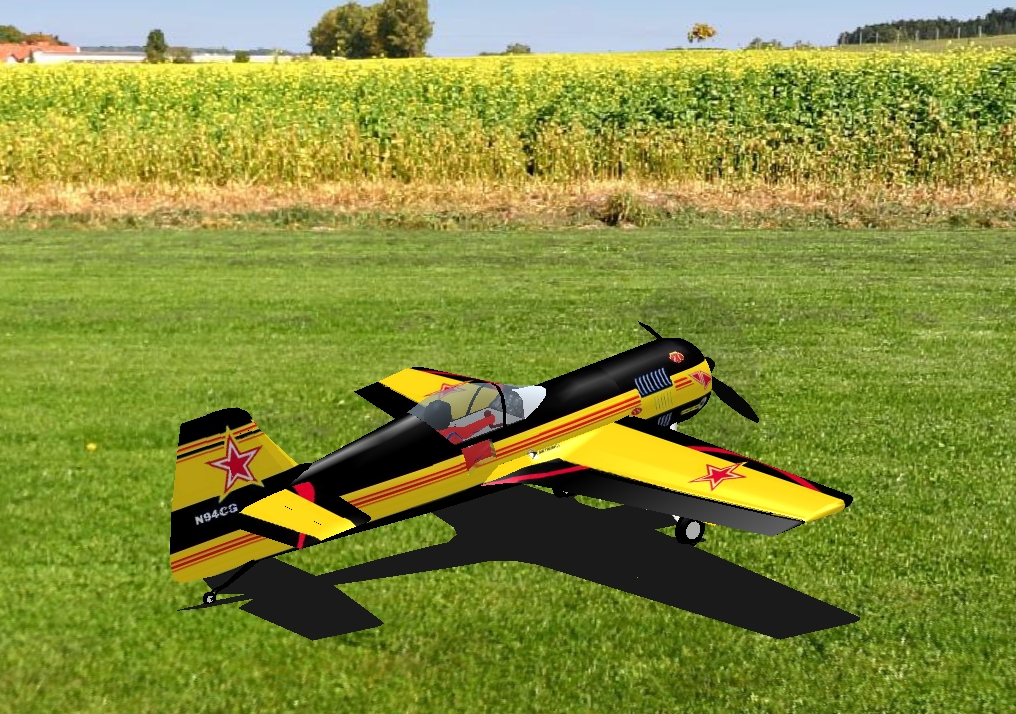
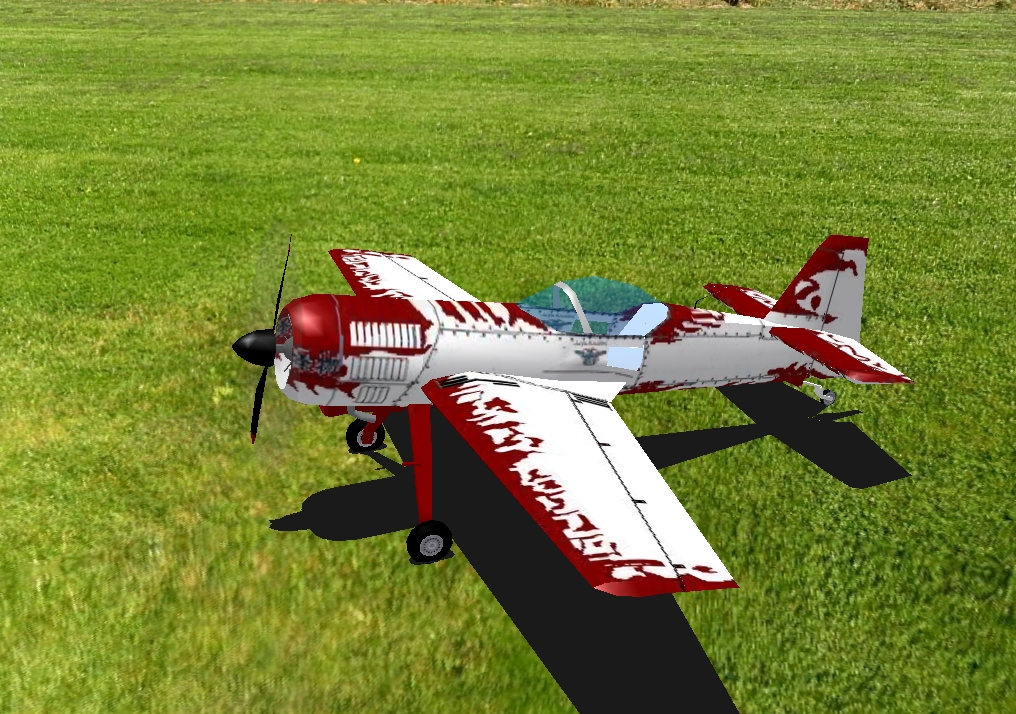
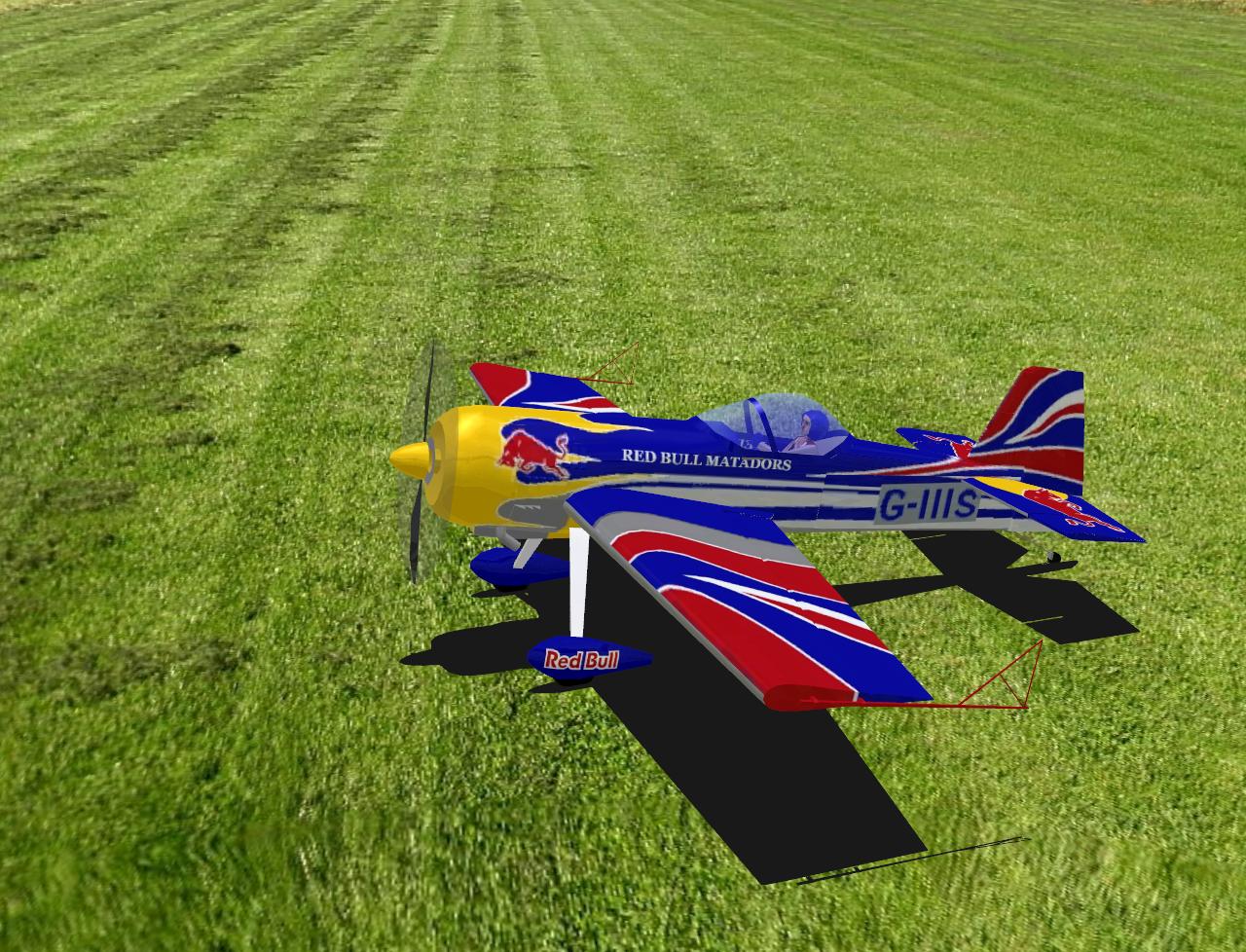
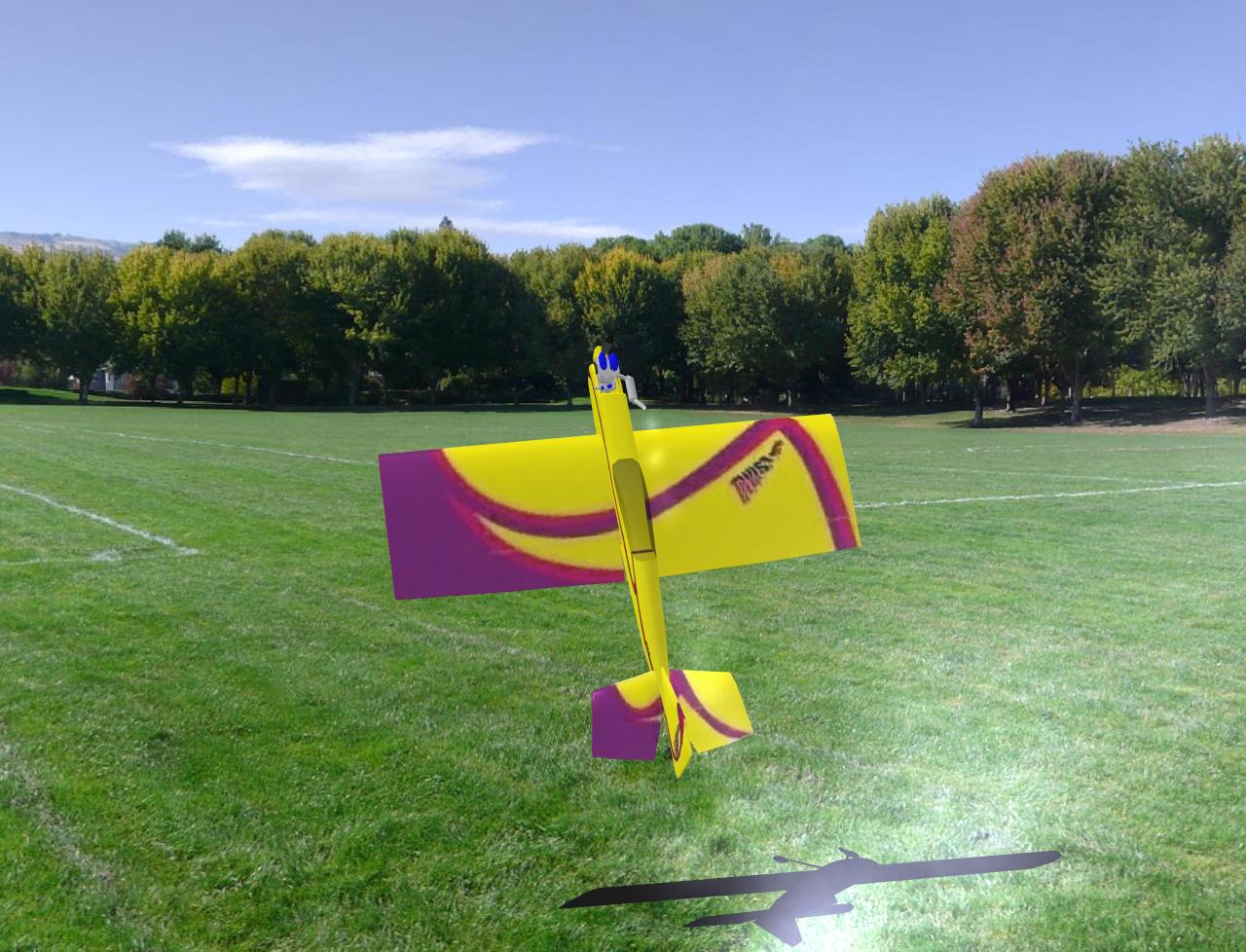
The Twist 3D 40 — Hangar 9's .40-class balsa 3D ARF — captured in the simulator's standard form for intermediate-to-advanced 3D practice.
About
The Twist 3D is part of the Hangar 9 sport-aerobatic ARF family, a Horizon Hobby brand whose balsa-and-ply ARF kits have been a fixture of the intermediate-and-advanced RC market since the late 1990s. The Twist 3D 40 is sized for the .40-cubic-inch (about 6.5cc) glow engine class — a comfortable middle ground between the small foam park-flyers and the heavier giant-scale gas-powered competition airframes.
Like every well-loved 3D ARF, the Twist 3D earns its place in the hobby by being three things at once: light enough for honest 3D maneuvers, strong enough to survive the inevitable cartwheel landings of unlimited aerobatic practice, and inexpensive enough that pilots stepping up from a foam park-flyer can justify it as their first dedicated 3D mount. Symmetrical airfoil, oversize control surfaces, and the typical Hangar 9 balsa-and-ply construction give the airframe the kind of high-alpha and hovering capability that twenty years ago required a dedicated competition build.
The bigger picture is the .40-class 3D ARF category itself. Whether Hangar 9 Twist, Funtana, U-Can-Do, Katana S50, or competing designs from rival brands, balsa-and-ply ARFs at the .40 engine sizing have been the populous category at flying fields for two decades — the natural progression from foam park-flyer to dedicated 3D mount.
In the simulator
A serious 3D aerobatic mount with the kind of stick discipline a real .40-class 3D ARF demands. Generous control authority, oversize surfaces, and the kind of high-alpha capability that the 3D category is built around. Use it to learn the unlimited-3D vocabulary at .40-class scale. A natural sibling of the Funtana 40 (3D Planes pack), Katana S50 (CV Planes Pack 4), and Flatana (CV Planes Pack 3).