Sukhoi-S37-Berkut
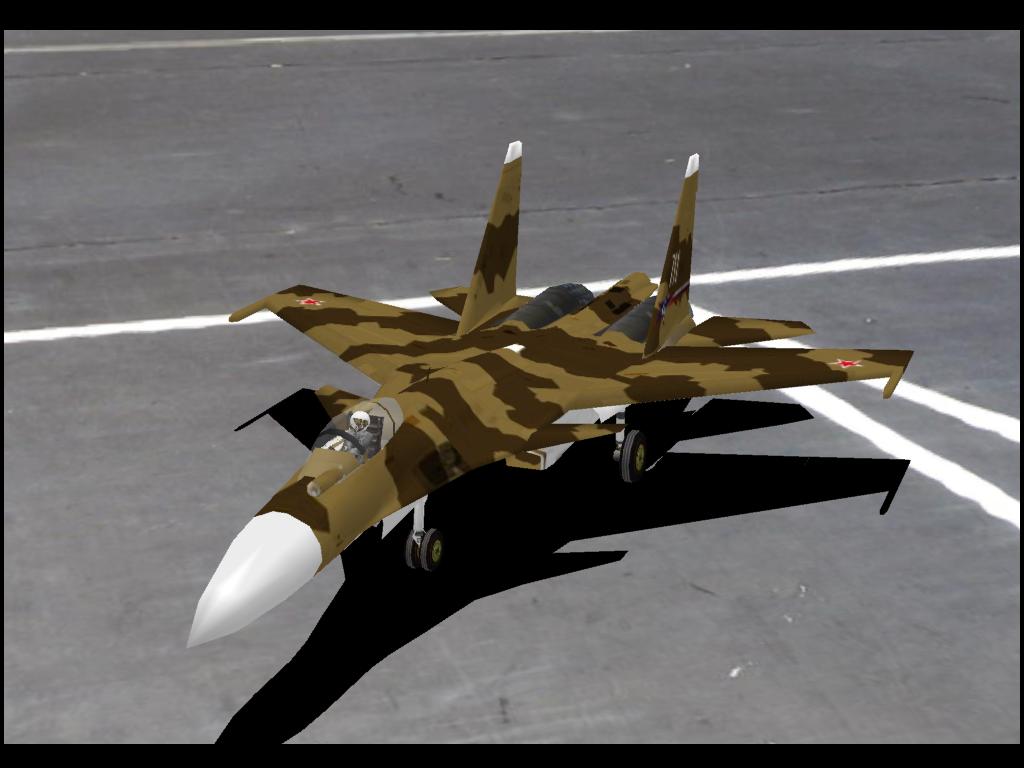
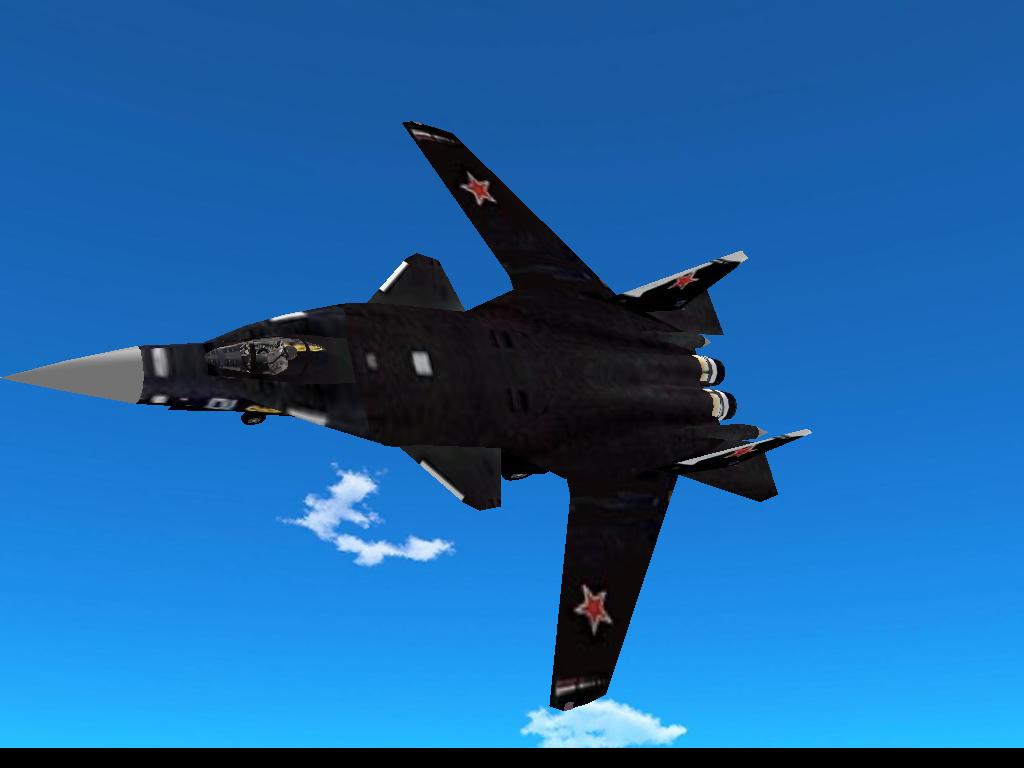
The Sukhoi Su-47 Berkut (originally S-37) — the forward-swept-wing Russian experimental fighter — captured as an RC EDF scale model.
About
The Sukhoi Su-47 Berkut, originally designated S-37 during initial development, is a Russian experimental supersonic technology-demonstrator developed by the JSC Sukhoi Company. The name "Berkut" means "Eagle" in Kazakh. The Su-47's first flight took place on September 25, 1997, and the aircraft was prominently displayed at the Paris Air Show that year. Sukhoi redesignated the aircraft from S-37 to Su-47 in 2002.
The Berkut's defining feature is its forward-swept wing — a configuration intended to give the aircraft increased agility, higher lift-to-drag ratio, better maneuverability at low speeds, and improved stall resistance compared to a conventional aft-swept wing fighter. The forward-swept wing places more aerodynamic loads inboard on the structure, which allowed the aircraft to maneuver harder than would have been possible with a comparable swept-wing aircraft of the same construction. The composite-skin wing structure of the Berkut was a Russian engineering triumph; comparable forward-swept-wing demonstrator programs in the United States (the Grumman X-29) and Europe had run into structural challenges with metal forward-swept-wing layouts.
While serial production never materialized and the configuration was not pursued for an operational fighter, the sole Su-47 produced served as a technology demonstrator for systems later used in the Su-35 fourth-generation fighter and the Su-57 fifth-generation stealth fighter. The forward-sweep configuration was ultimately abandoned because the aerodynamic benefits at transonic speeds did not translate to the supersonic regime; the Berkut was initially limited to Mach 1.6.
The unmistakable forward-swept-wing silhouette is one of the most distinctive jet shapes ever produced, and a striking subject for RC EDF scale modeling.
In the simulator
A unique modern-fighter scale subject. The Su-47's forward-swept-wing layout gives the airframe in our sim its distinctive visual presence at altitude, with the kind of agile, responsive handling that the real airframe was built to demonstrate. Use it for jet pattern flying with one of the rarest fighter silhouettes in modern aviation. A natural sibling of the SU-37 Terminator in this same pack — two Russian tech-demonstrators that pushed contemporary fighter-design boundaries.