Lazybee
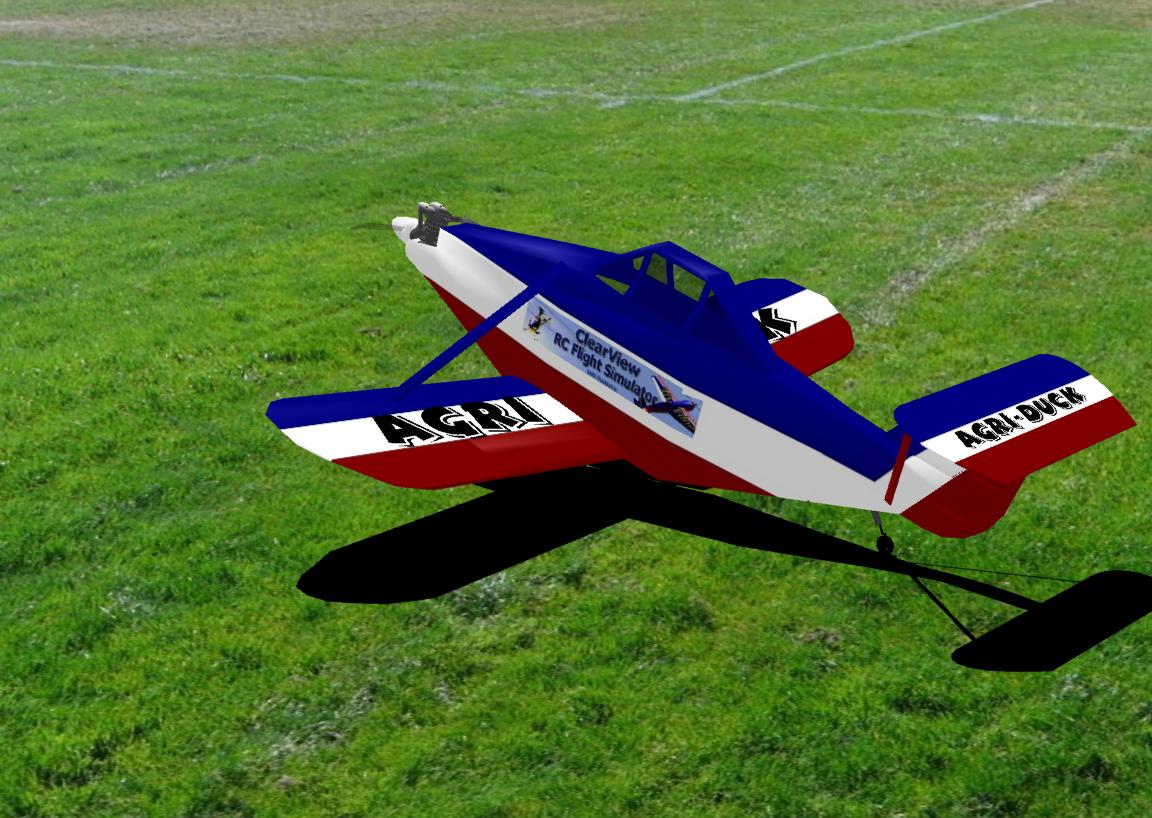
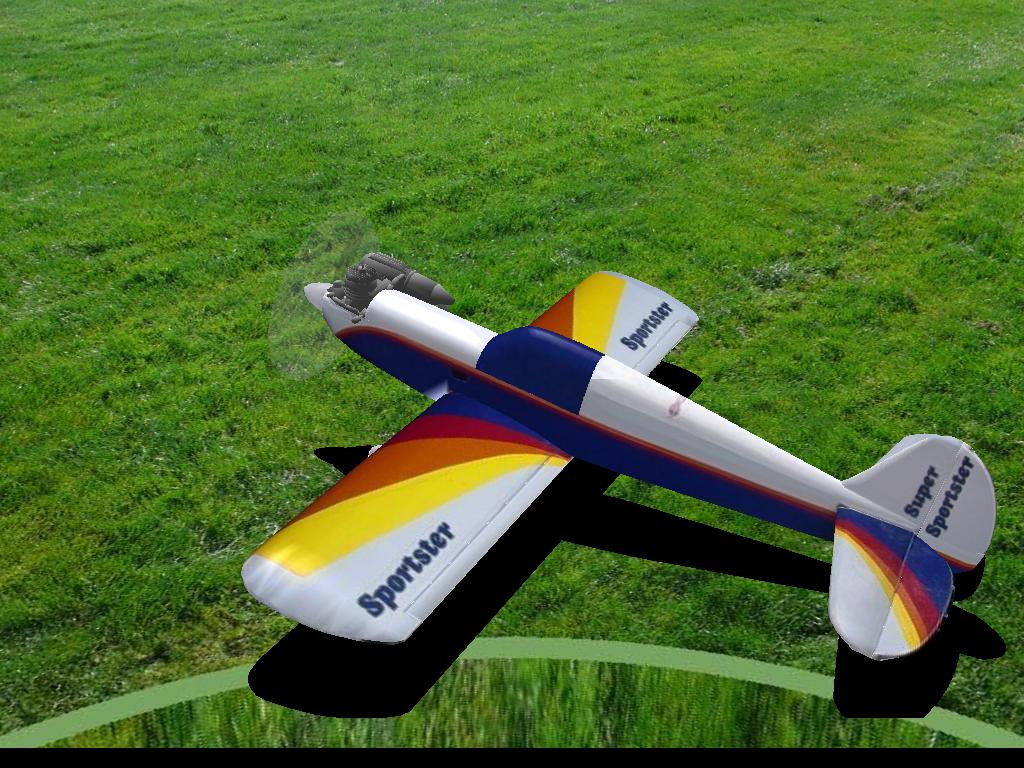
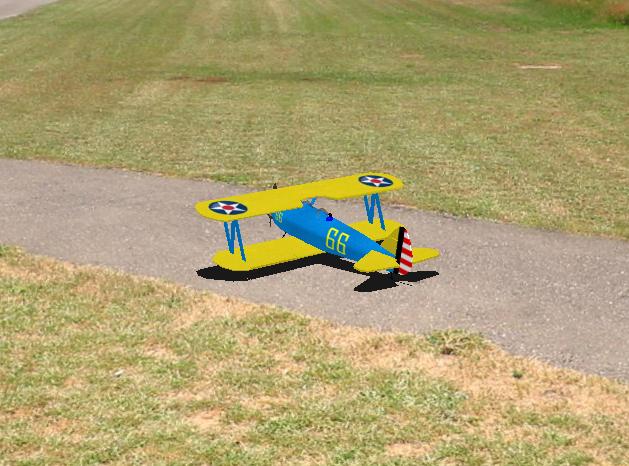
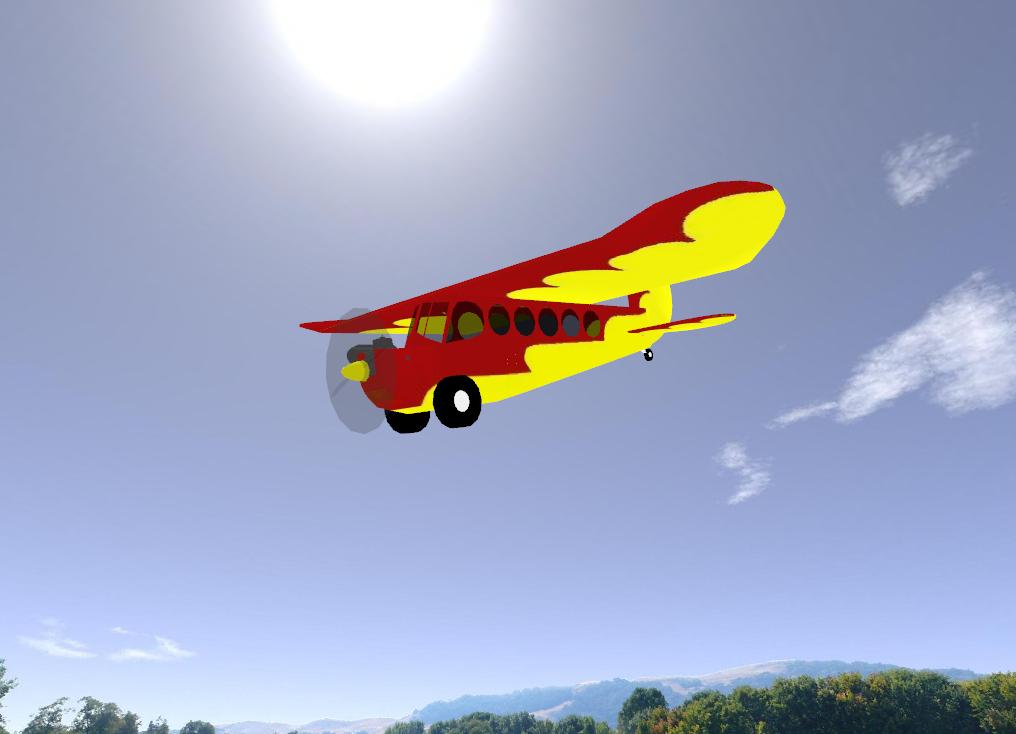
The LazyBee — Andrew Newton's iconic slow-flying plans-built park flyer that became one of the most-built backyard RC airframes of the 2000s — captured in the simulator's standard form.
About
The LazyBee is the work of Andrew Newton, a British RC modeler who designed and published plans for the type around 2003. The LazyBee was conceived as the ultimate slow-flying park flyer — a high-aspect-ratio undercambered wing, a parasol-mounted high wing, generous dihedral, and a small electric powerplant produced an airframe that could hover into a light wind, fly at near-walking speeds, and turn inside the proverbial postage stamp.
Like every well-loved slow-fly park flyer, the LazyBee earns its place in the hobby by being three things at once: slow enough to fly in genuinely small spaces (school playgrounds, parking lots, indoor gymnasiums), simple enough to build from balsa and tissue or foam-board in a long evening, and forgiving enough that the inevitable mistakes of slow-flight maneuvering happen at speeds where damage is rarely catastrophic.
Newton's plans for the LazyBee circulated widely through the early-2000s RC community via online forums and modeler-to-modeler sharing, and the type became one of the defining backyard-flyer designs of its era. Scratch-built and ARF LazyBees continue to fly today at parks, school fields, and indoor sites worldwide.
In the simulator
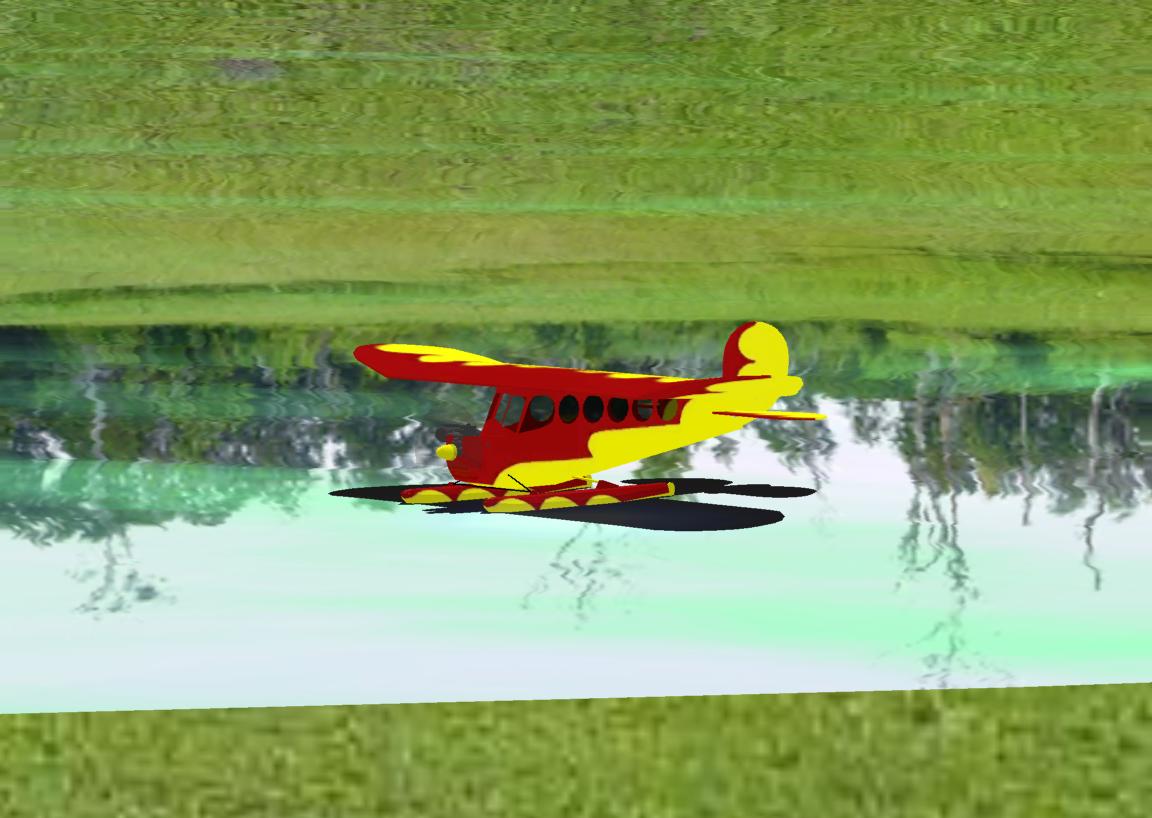
A peaceful park-flyer scale subject. Slow, stable, and the kind of low-wing-loading character that makes mistakes recoverable. Use it for casual indoor or backyard flying. A natural sibling of the LazyBee with floats variant in this same pack.