Tricopter
A three-rotor multirotor — the simpler-than-a-quad multirotor configuration that bridges helicopter and drone flying.
About
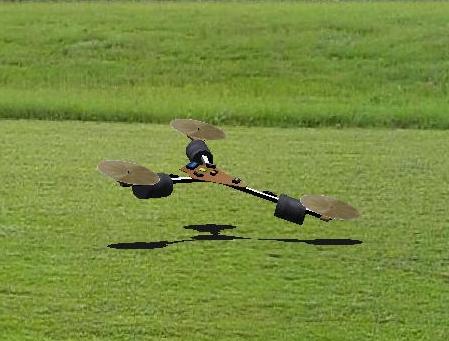
The Tricopter is a three-rotor multirotor configuration — an unusual middle ground between conventional helicopters and the more common quadcopter multirotor designs that have dominated drone flying since the rise of commercial multirotor electronics. The tricopter layout puts three brushless motors at the ends of three fuselage arms arranged in a Y or T configuration, with the rear motor mounted on a yaw-tilt servo to provide rotational control.
Like every well-loved tricopter, this one earns its place in the hobby by being three things at once: simpler than a true helicopter (no swashplate, no collective pitch), more efficient than a quadcopter (three motors instead of four), and visually distinctive at the flying field where most multirotors are quadcopters or hexacopters. The Y-frame layout has its own design tradition in the RC multirotor community, with builders like David Windestal popularizing the configuration through DIY tutorials and open-source frame designs.
The bigger picture is the multirotor category itself. Whether tricopter, quadcopter, hexacopter, or octocopter, the brushless-motor-and-flight-controller multirotor revolution has transformed the small-scale RC flying market over the past fifteen years.
In the simulator
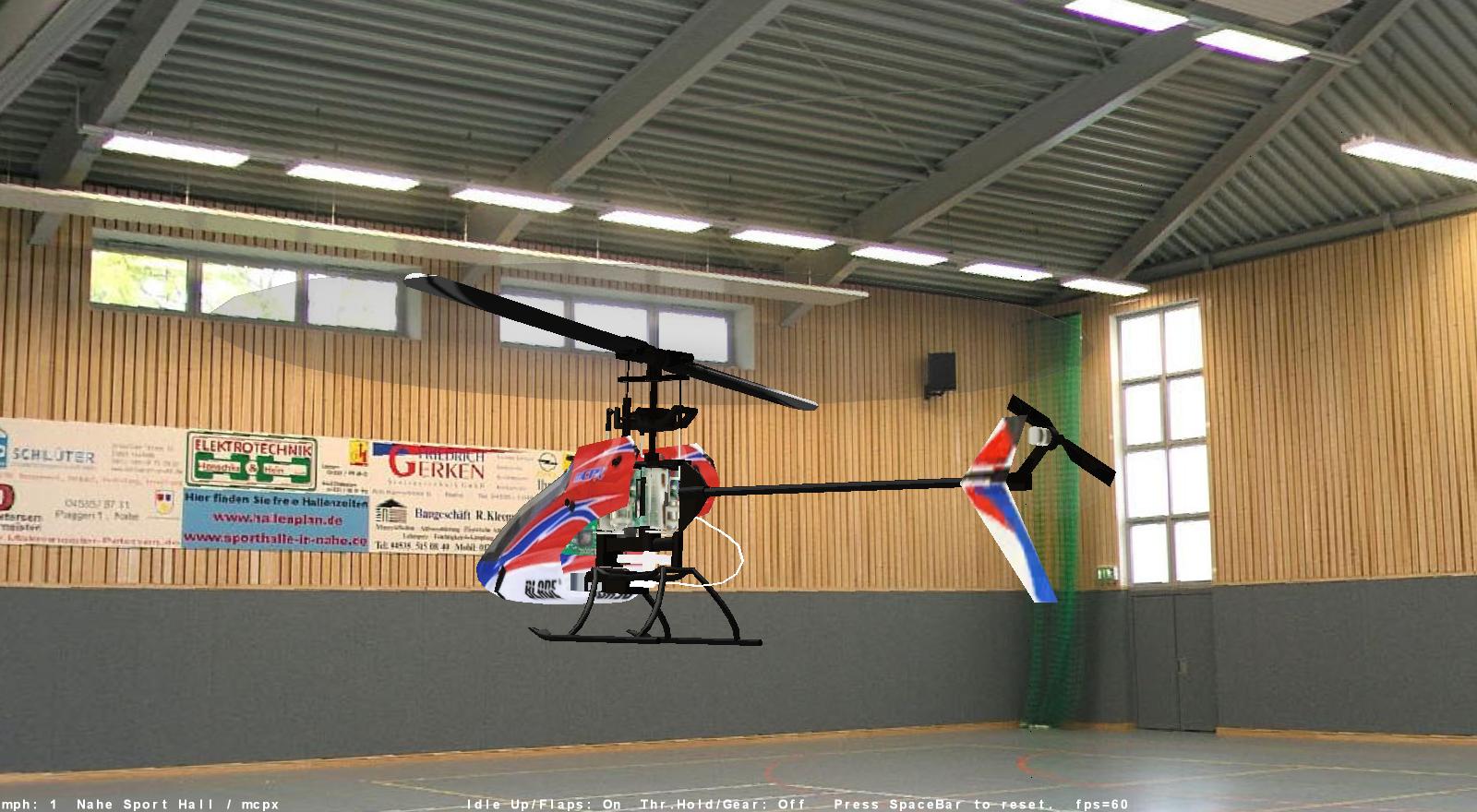
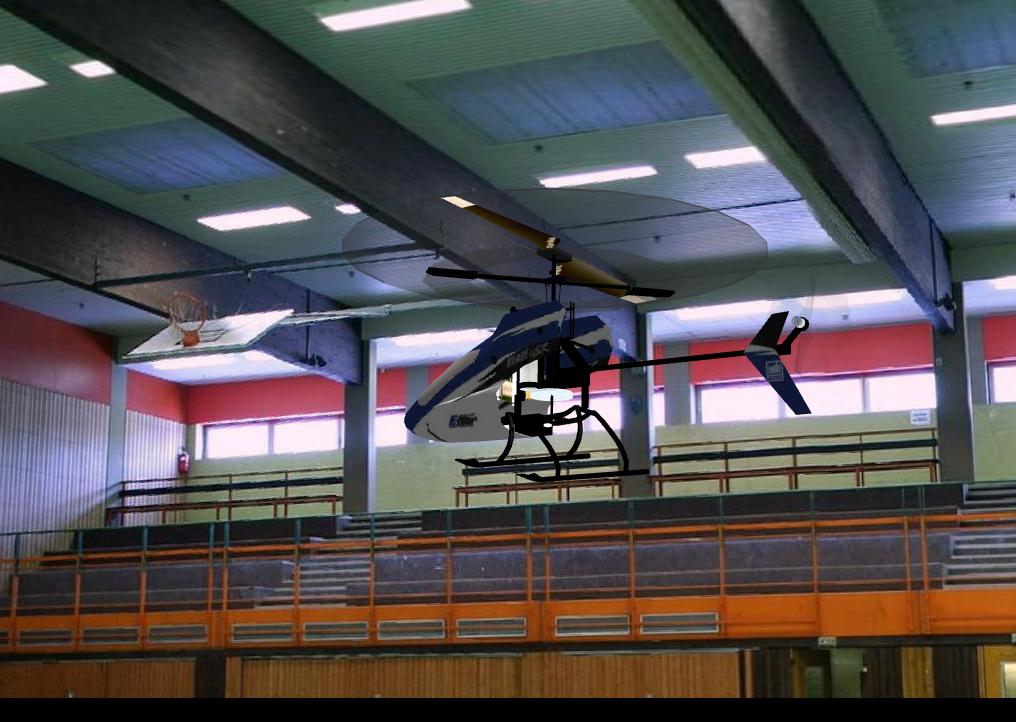
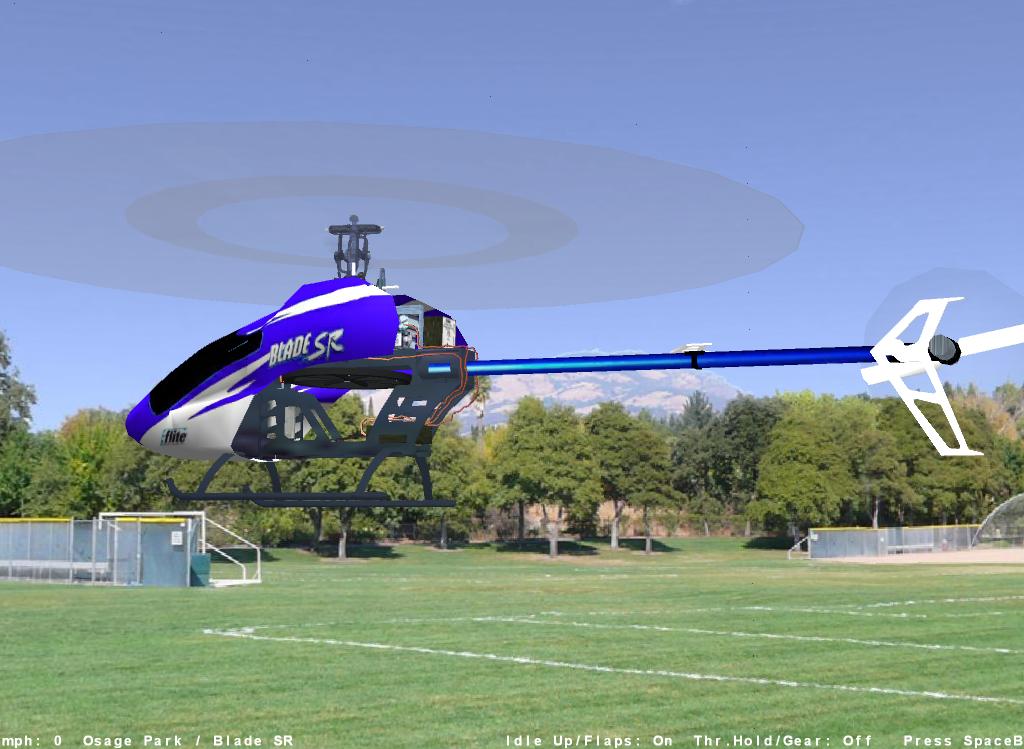
A multirotor subject with an unusual three-arm configuration. Quick on the controls, hovers stably, and flies with the kind of all-axis maneuverability that multirotors offer. Use it for multirotor practice with a distinctive frame layout.