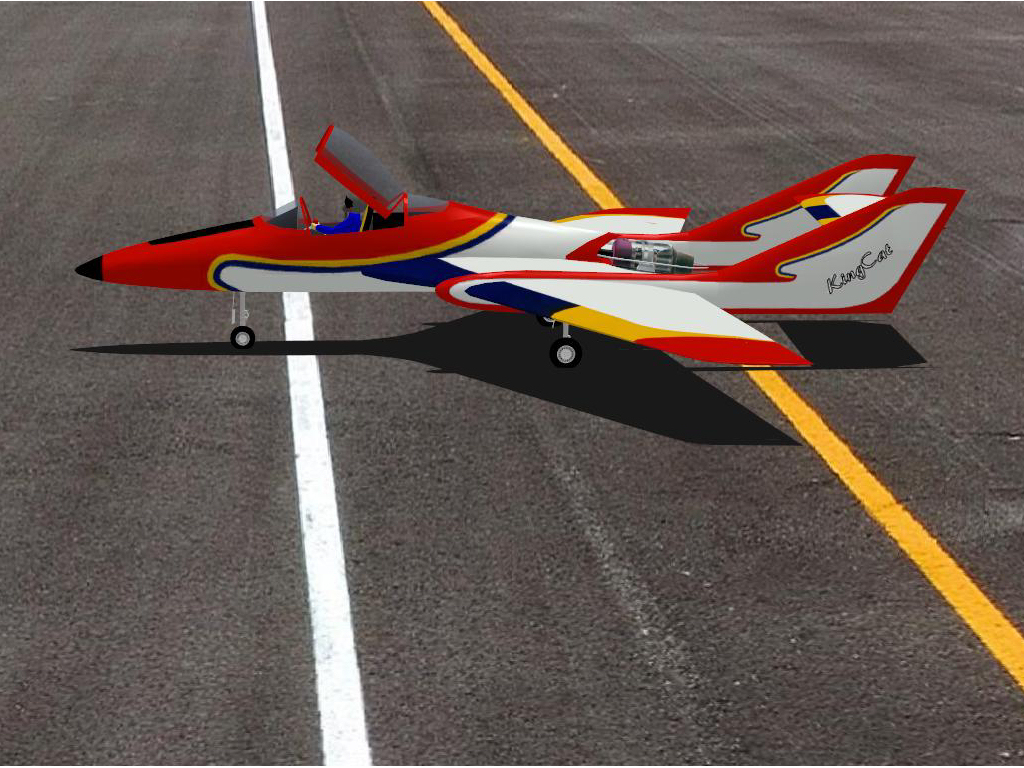
BVM King Cat
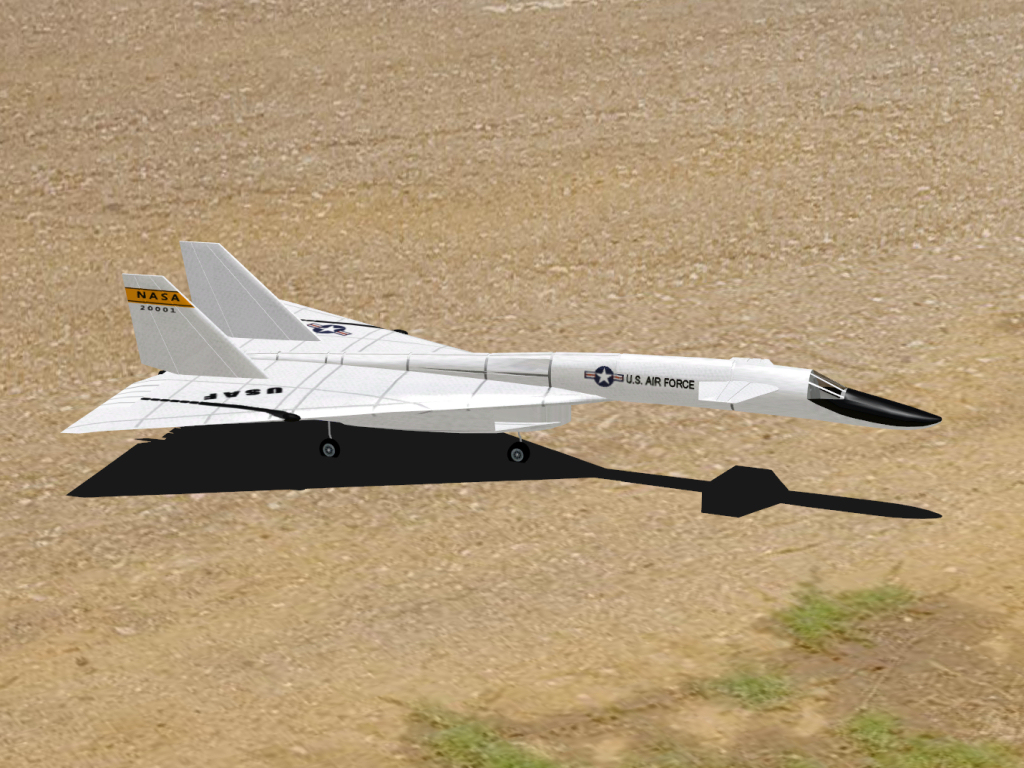
The BVM King Cat — Bob Violett Models' turbine-powered sport jet, the airframe that defines the high-end of RC turbine sport flying.
About
The King Cat is the work of Bob Violett Models (BVM) of Sanford, Florida — one of the longest-established American RC turbine-jet manufacturers, whose composite fiberglass airframes have been the high end of the RC sport-jet market since the early 1990s. BVM's product line ranges from sport-class turbine jets through full-scale F-86 Sabre, F-100 Super Sabre, and other military-jet kits, and the King Cat sits in the sport-jet category — a high-performance airframe optimized for turbine-powered RC flying.
Like every well-loved BVM jet, the King Cat earns its place in the hobby by being three things at once: aerodynamically competitive (the fiberglass construction allows tighter airframe tolerances than foam can match), aesthetically distinctive (sport-jet looks rather than scale-fighter looks), and demanding enough to require pilots who have already mastered turbine-jet operation. BVM jets are typically powered by Wren, Jetcat, or other small turbojet engines in the 25-50 lb thrust class, with full-pressure fuel systems and the kind of engine-management discipline that has more in common with full-scale aviation than with sport RC flying.
The bigger picture is the high-end RC turbine-jet category itself. Whether BVM, Wren, or any of the small custom-build community of competing turbine-jet manufacturers, RC turbines occupy the demanding, expensive end of sport flying — and the King Cat sits comfortably at the top of that segment.
In the simulator
The most demanding fast-jet subject in this pack. Substantial thrust-to-weight ratio, jet-class approach speeds, and the kind of stick discipline turbine-jet pilots train for. Use it for serious RC turbine practice.