A6M Zero
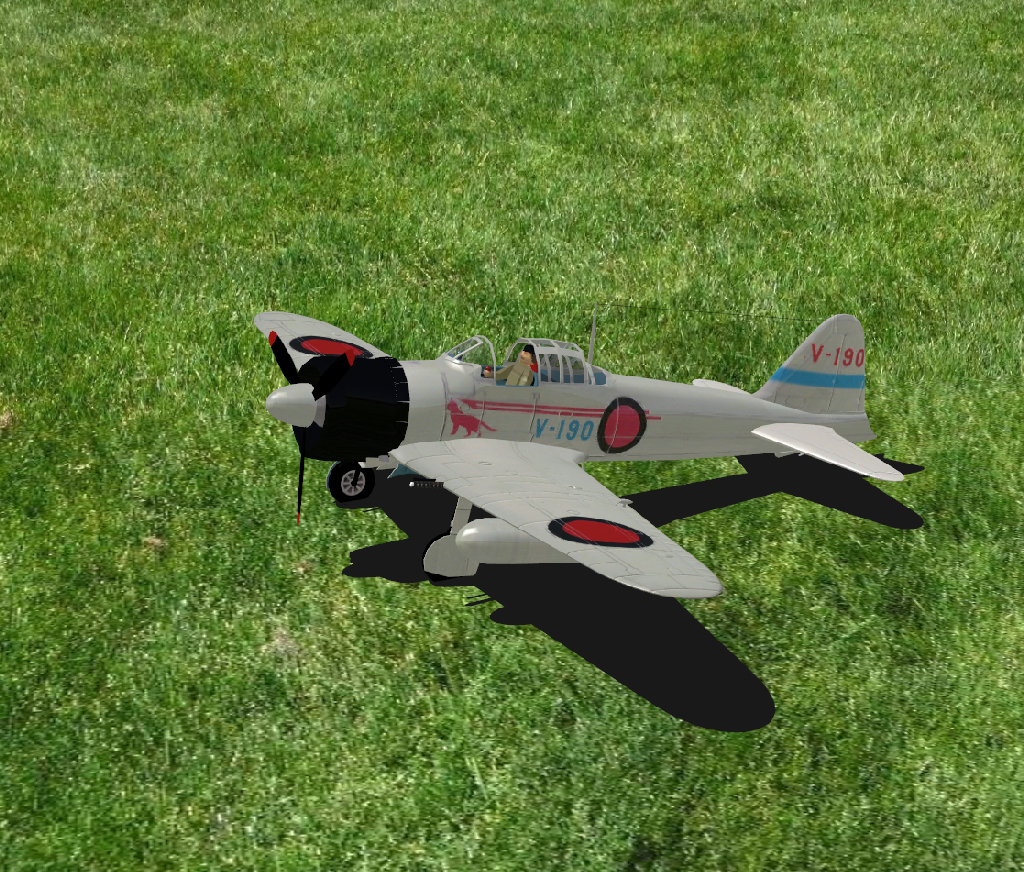
The Mitsubishi A6M Zero — Japan's legendary World War II carrier fighter — captured as a high-quality RC scale warbird.
About
The Mitsubishi A6M Zero was designed by Jiro Horikoshi for the Imperial Japanese Navy under a 1937 specification that demanded both extreme maneuverability and the long range to escort Japanese bombers to distant targets in China. Horikoshi's solution was uncompromising lightness — the airframe used a new top-secret aluminum alloy from Sumitomo Metal Industries called "extra super duralumin," lighter and stronger than the alloys then used in fighter construction. The first prototype flew on April 1, 1939, with Mitsubishi chief test pilot Katsuzo Shima at the controls.
The Zero entered service in 1940 as the Navy Type 0 Carrier Fighter — the "0" gave the Allies their nickname for the type. In early Pacific combat the Zero achieved a kill ratio of 12 to 1, a peerless dogfighting record that depended on the same lightness that left the type without self-sealing fuel tanks or meaningful armor. By mid-1942, new American tactics and aircraft like the F6F Hellcat began to engage the Zero on equal terms, and the type's compromises showed.
The unmistakable round-cowled, low-wing, taildragger silhouette is one of the most-modeled WWII fighter subjects in modern RC scale flying.
In the simulator
A satisfying warbird scale subject. Willing on the controls, predictable in stall, and rewarding of smooth coordinated maneuvers. A sibling of the A6-Zero (CV Planes Pack 1) — same subject, scale-warbird-class implementation.