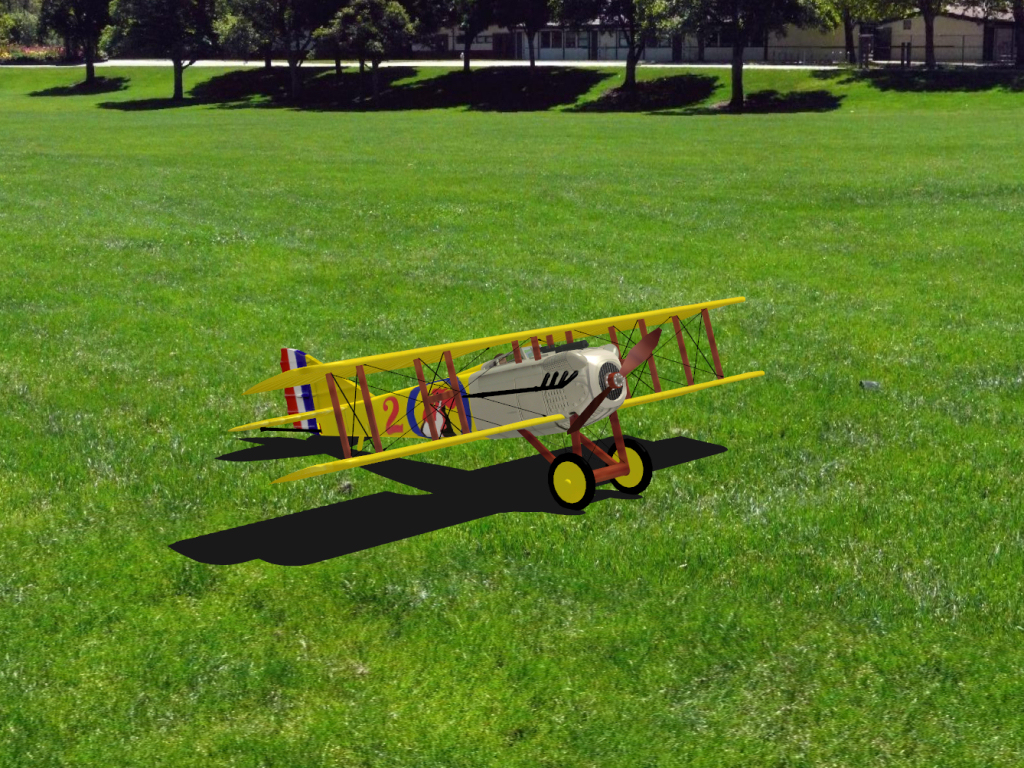
Spad S.VII
The SPAD S.VII — the French biplane fighter that gave Allied pilots their first reliable answer to German air superiority in 1916 — captured as a sport-scale RC model.
About
The SPAD S.VII was developed by the French Société Pour l'Aviation et ses Dérivés (SPAD) under chief designer Louis Béchéreau, who had been responsible for the earlier Deperdussin racers. The S.VII first flew in May 1916 and entered French Aéronautique Militaire service that autumn, where it quickly demonstrated capabilities that gave the Allies their first reliable answer to the Fokker Eindecker and the German biplane fighters that had given the Luftstreitkräfte the upper hand earlier in the war.
The S.VII's defining strengths were structural robustness and high-speed performance. The Hispano-Suiza V-8 engine — water-cooled, geared, and mass-produced — gave the S.VII the power-to-weight ratio it needed to climb and dive at speeds that German rotary-engined fighters could not match. Famous SPAD pilots included Georges Guynemer of Stork Squadron, who scored 53 victories before his disappearance in 1917, and the American Eddie Rickenbacker, who flew SPAD XIIIs (the S.VII's bigger-engined successor) with the 94th Aero Squadron.
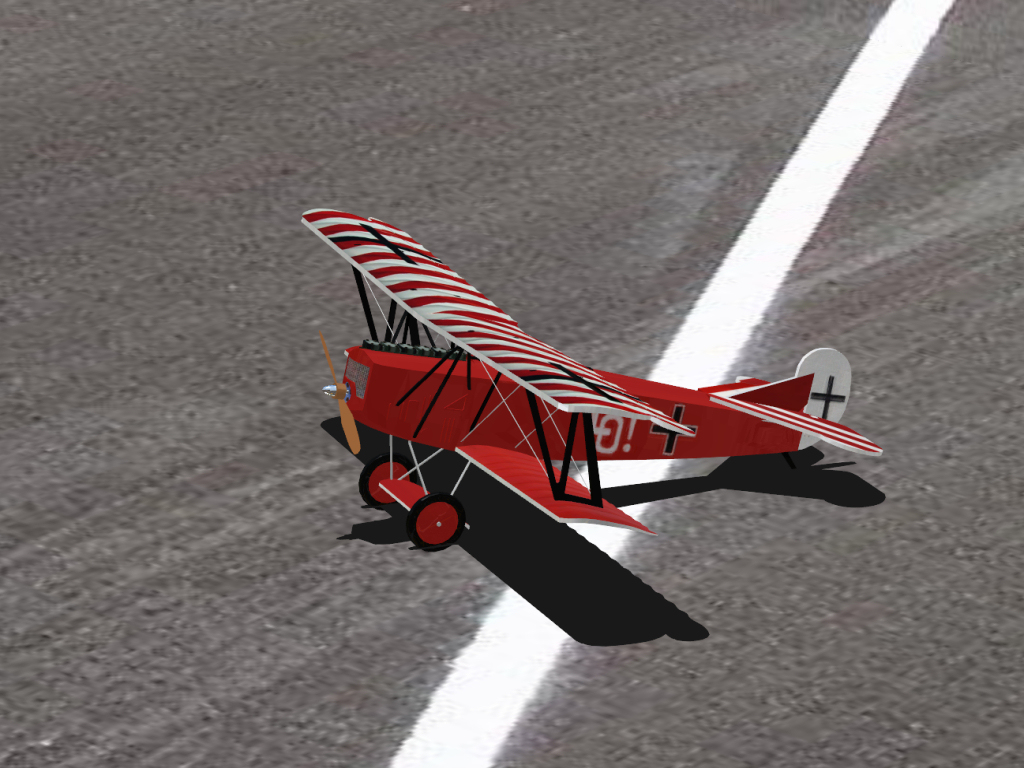
Total S.VII production reached approximately 3,800 airframes between 1916 and 1918, license-built across France, Britain, Italy, and Russia. The unmistakable SPAD silhouette — squared-off wings, distinctive nose contour, single-seat tractor configuration — is one of the more popular WWI fighter subjects in modern RC scale flying.
In the simulator
A satisfying WWI scale subject. The SPAD has the deliberate handling of a real WWI fighter, with the kind of slow-speed authority and predictable stall behavior that the type was famous for. A natural sibling of the Fokker_DR1 (CV Planes Pack 3) and Fokker DVII 250 in this same pack — three different national WWI fighter designs.