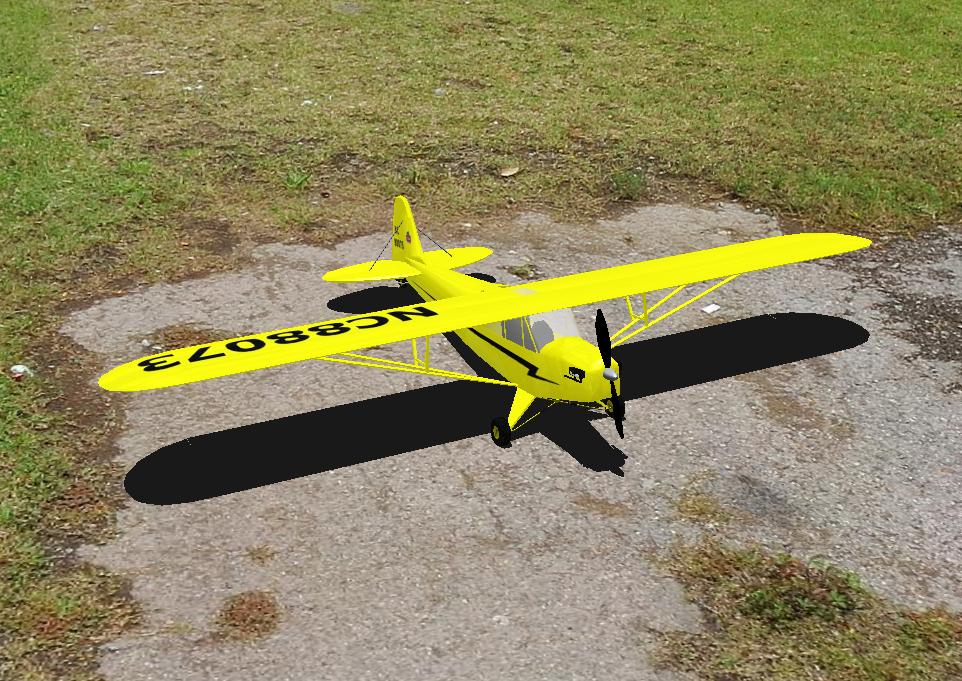
PiperCub
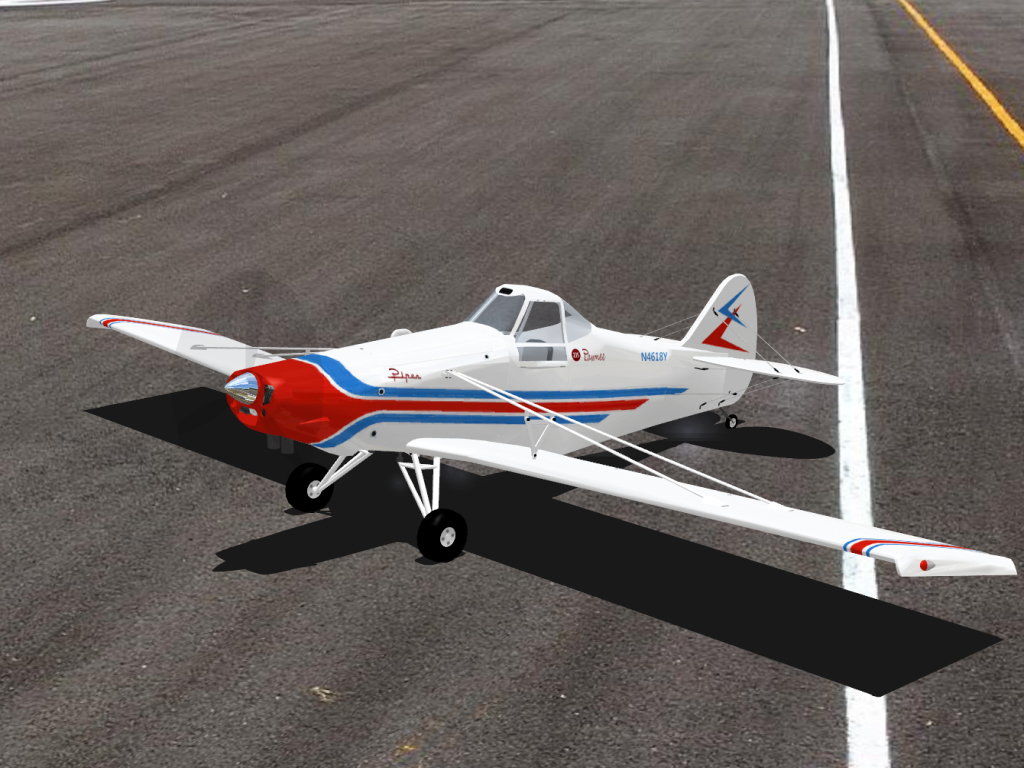
The Piper J-3 Cub — the iconic yellow-and-black trainer that taught a generation of Americans to fly — captured as an RC scale model.
About
The Piper J-3 Cub is one of the most-loved light aircraft ever built — a simple, slow, friendly two-seat tandem trainer that defined American light aviation in the years before and during the Second World War. The J-3 was introduced in 1938 as a refinement of the earlier Taylor E-2 Cub and J-2 Cub, and the iconic yellow-and-black "Cub Yellow" paint scheme became synonymous with light aviation in pre-war America. Production ran through 1947 with approximately 19,888 J-3 airframes built.
The Cub trained tens of thousands of Civilian Pilot Training Program students before WWII, and military versions (designated L-4 Grasshopper) served as artillery spotters and liaison aircraft throughout the war. After WWII, surplus L-4s flooded the civilian market and the Cub became the primary trainer at flight schools across the United States. The type was so successful that "Cub" became a generic term for any small, slow, fabric-covered taildragger trainer — even when the specific aircraft was not a Piper product.
The unmistakable J-3 silhouette — high wing on streamlined struts, single radial cowl or open fuselage profile, the distinctive door that opens upward — is one of the most-modeled light-aircraft subjects in modern RC scale flying.
In the simulator
A friendly scale subject for new pilots. The Cub flies the way a real J-3 should — slow, stable, gentle on the controls. A natural sibling of the PA-Cub (CV Planes Pack 5), HZ Super Cub (CV Planes Pack 4), and the broader Piper Cub family across the catalog.