Beaver
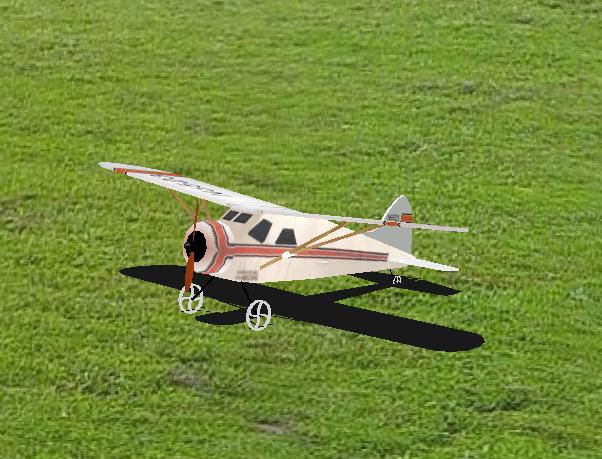
The de Havilland DHC-2 Beaver — the world's first STOL-designed aircraft — captured as a small electric foam scale model.
About
The de Havilland Canada DHC-2 Beaver made its maiden flight on August 16, 1947, with WWII flying ace Russell Bannock at the controls. Designed deliberately for civilian bush operators after extensive feedback from working pilots, the Beaver became the world's first aircraft designed specifically for short-takeoff-and-landing operations — and went on to become one of the most beloved bushplanes in aviation history. De Havilland Canada built 1,657 Beavers between 1947 and 1967, on wheels, skis, and floats.
The Beaver was the workhorse of the Canadian and Alaskan bush — operable from unprepared strips, tough enough for working bush operations, and roomy enough to carry the kind of payload bush economics demanded. Surviving Beavers continue to fly working bush operations today, almost eighty years after the type's first flight.
This RC implementation is a smaller foam-scale version of the Beaver subject — capturing the unmistakable high-wing radial-cowled silhouette in a more accessible foam-park-flyer scale than the larger nitro and balsa Beaver kits. Per de Havilland Canada's animal-naming convention, the Beaver was named for the hard-working animal — and the type has lived up to the namesake for decades.
In the simulator
A friendly bushplane foamy scale subject. The Beaver flies with the slow, stable handling of the real airframe. Use it for relaxed scale flying. A natural sibling of the DHC-2 Beaver, DHC-2 Beaver 25e, and DHC-2 Turbo Beaver Electric in CV Planes Pack 2 — multiple Beaver implementations across the broader catalog.