JF-17 Thunder
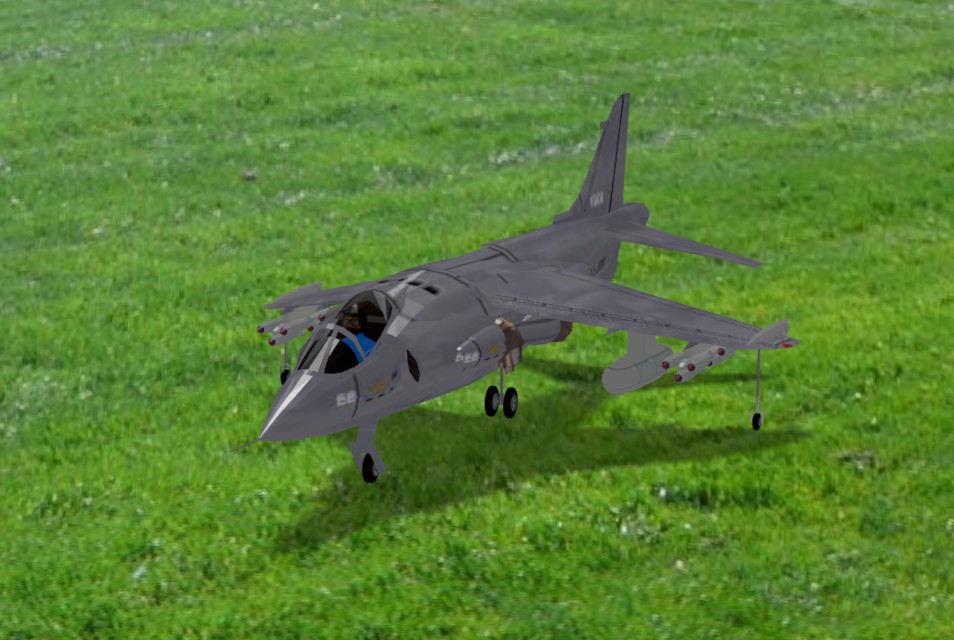
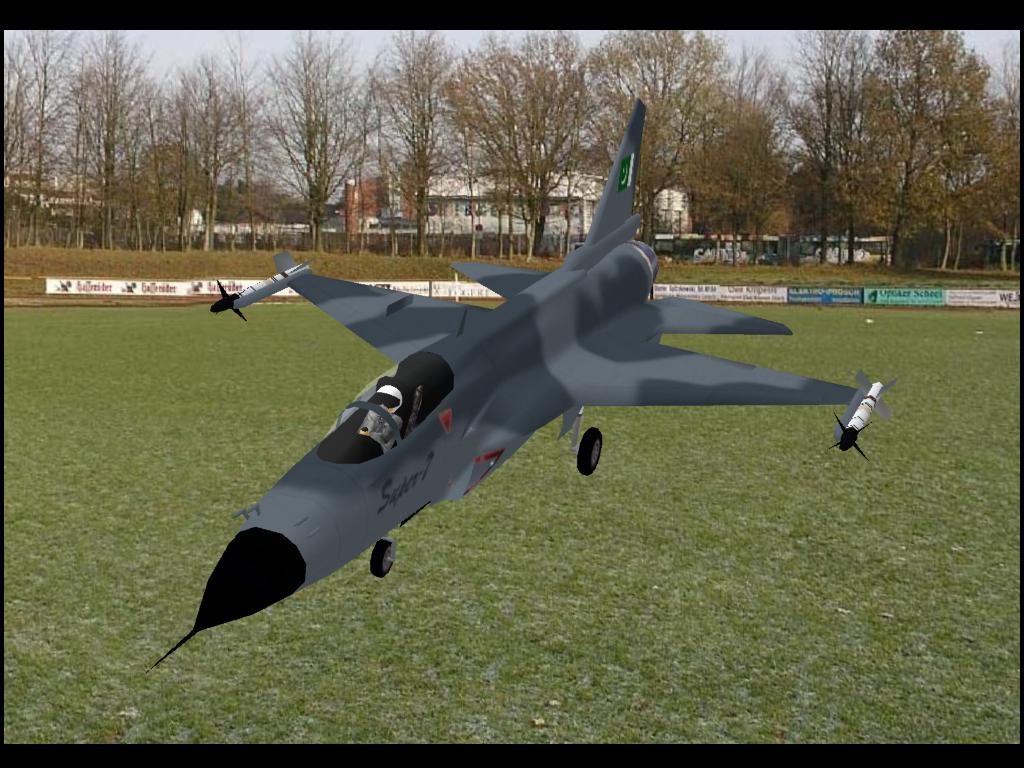
The JF-17 Thunder — the Pakistan Air Force's single-engine multirole fighter, jointly developed with China — captured as an RC EDF scale model.
About
The JF-17 Thunder is the result of a long-running joint development program between Pakistan Aeronautical Complex (PAC) of Kamra, Pakistan, and Chengdu Aircraft Corporation (CAC) of China. Development began in the late 1990s as Project Super-7, evolving into the JF-17 designation around the turn of the millennium, and the prototype made its first flight on August 25, 2003. The aircraft entered service with the Pakistan Air Force in 2007, where it has gradually replaced older Mirage III, Mirage V, F-7, and A-5 airframes as Pakistan's primary multirole fighter.
The JF-17 is a single-engine, single-seat, lightweight multirole fighter powered by a Russian-design Klimov RD-93 turbofan (a derivative of the engine used in the MiG-29). The design philosophy is deliberately middle-tier — capable enough for the air-superiority and ground-attack missions Pakistan needs, simple enough to maintain at scale, and inexpensive enough that the PAF can field meaningful numbers of the type. Subsequent Block II and Block III variants have brought modern AESA radar, beyond-visual-range missile compatibility, and refined avionics. The type has also been exported to Myanmar, Nigeria, and Iraq.
The unmistakable JF-17 silhouette — single side intake, swept delta wing with leading-edge extensions, single vertical tail — is a relatively new addition to the modern RC EDF scale-jet category, where the type's distinctive look gives sport-scale modelers an alternative to the more common American and Russian fighter subjects.
In the simulator
A modern EDF jet with the kind of agile-but-substantial handling of a real lightweight multirole fighter. Use it for jet pattern flying with the visual presence of one of the more recently-developed fighters in active service. Pairs well with airport-class landscapes that have proper runways. A modern alternative to the Cold War jet subjects in this and earlier packs.